
Remember the 2014 Flint water crisis? It turned lead contamination into a national headline, complete with outrage, activism, and a Netflix documentary. Suddenly, everyone from Brooklyn to Boise was buying water filters and testing kits. The crisis was a harsh reminder that access to clean water isn’t guaranteed—it’s a privilege that requires vigilance.
Even fictional heroes aren’t immune. In the hit series Emily in Paris, there’s a blink-and-you’ll-miss-it moment where Emily complains about her apartment’s old pipes—and yes, that’s a subtle nod to European plumbing challenges. Real talk: Paris has some of the oldest water infrastructure in the world, so lead is a known issue there too. It’s not just an American problem; it’s a global, polyglot headache.
Practical Tips to Test and Treat Your Water
First, find out if you’re at risk. Check your home’s age—if it was built before 1986, assume lead could be present. You can order a home testing kit online for about $20, or contact your local water utility for a free test. Many offer them, because they’d rather you test than sue them later.
Second, flush your pipes. Before drinking or cooking, run the cold water for one to two minutes—especially if the tap hasn’t been used for six or more hours. That’s enough time to clear out the water that’s been sitting in the pipes. Use that water to water your plants or wash dishes; no waste, just smart strategy.
Third, invest in a certified filter. Look for filters that are NSF/ANSI Standard 53 certified for lead reduction. Brita and PUR both make affordable pitcher models that work—just remember to change the cartridge on schedule. A filter is roughly the cost of two fancy lattes a month, and it protects your brain cells.
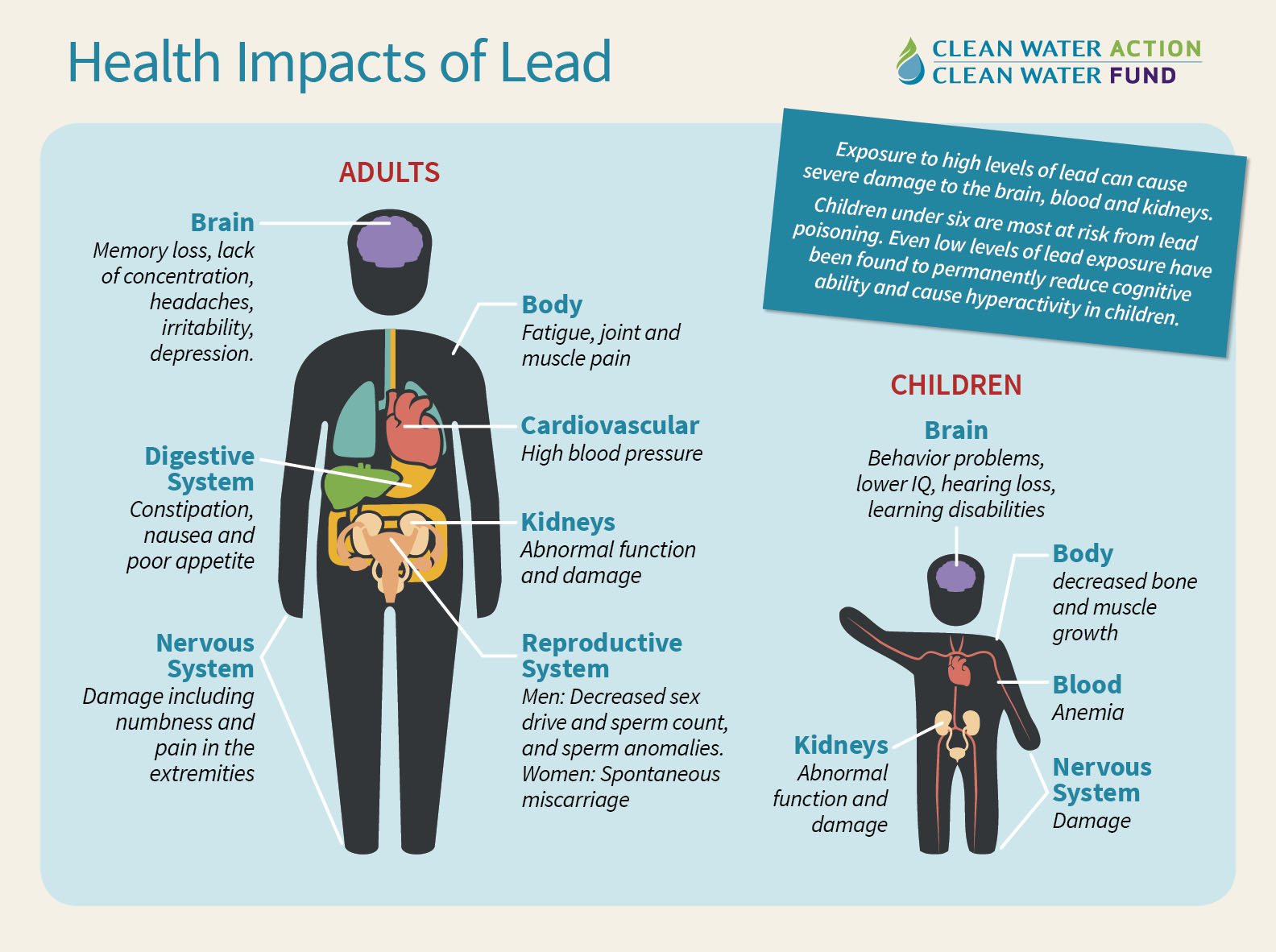 Lead In Water
Fourth, only use cold water for drinking and cooking. Hot water dissolves lead faster than cold water, so never use the hot tap for pasta, tea, or baby formula. That’s a non-negotiable rule, like not double-dipping your chip.
Fifth, know your local water report. Every community water supplier in the U.S. is required to publish an annual Consumer Confidence Report. It lists contaminants, including lead levels. It’s dry reading, sure, but it’s your personal water diary—read it like a thriller where you’re the protagonist.

