
Think of a mouth ulcer as a tiny, open wound that bacteria love to throw a party in. Tea tree oil is the bouncer who crashes that party. It contains a compound called terpinen-4-ol, which is a natural antimicrobial and anti-inflammatory agent. This means it kills the bad bugs causing the irritation while soothing the redness and swelling.
It’s not magic—it’s just smart plant chemistry. When you dab a diluted drop on that sore spot, you’re essentially putting a stop sign up for the pain signals and the infection risk. Your body can then focus on healing instead of fighting off a bacterial riot.
A study even showed that a tea tree gel was as effective as a common medicated gel for treating herpes lesions—the same family of viruses that can trigger stubborn mouth ulcers. That’s not a guarantee for every ulcer, but it’s a pretty impressive reputation.
The “Don’t Be a Hero” Rule
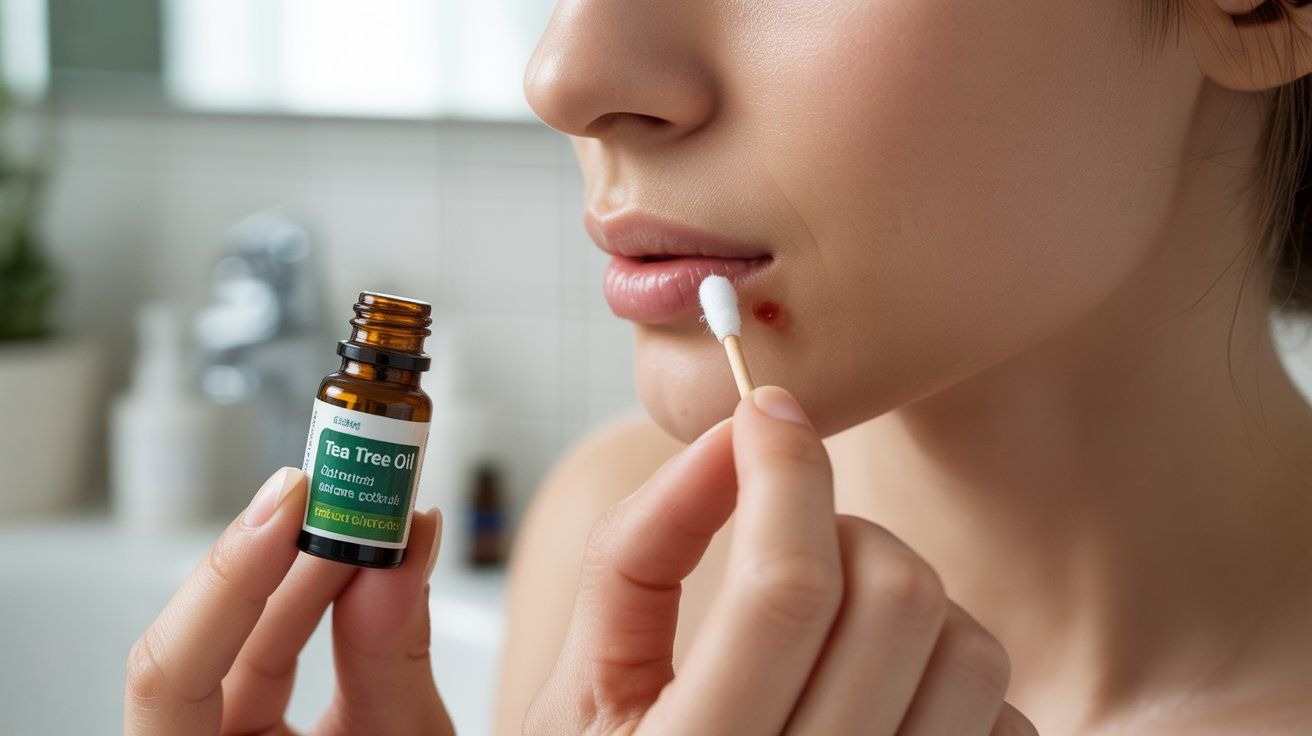
Now, before you go gargling straight tea tree oil, let’s have a little chat. Pure tea tree oil is like a really strong friend—great intentions, but too intense for direct contact. If you put it on your ulcer undiluted, it will burn like a tiny dragon. So, always dilute it with a carrier oil like coconut, olive, or even just plain water.
A good rule of thumb is one drop of tea tree oil mixed with a teaspoon of coconut oil. Or, you can put two drops in a glass of warm water and use it as a swish-and-spit mouthwash. Never swallow it. Your ulcer will thank you, and your taste buds won’t feel attacked.
Think of it this way: you wouldn’t pour straight lemon juice on a paper cut, right? Same idea. A little dilution makes it a gentle helper instead of a painful oops.
 Can a Tree Regrow from a Stump? The Truth

