
That’s the genius (and the horror) of it. Sebold didn’t write a documentary; she wrote a psychological exploration. She captures the specific, mundane details of a family falling apart—the dad’s obsessive need for justice, the mom’s inability to cope, the siblings trying to find normalcy. Those details are what make us scream “It must be true!”
It’s the way Susie watches her father break a model ship in frustration. It’s the way her sister feels her ghost in the whisper of a curtain. Those aren’t plot points; they are the emotional artifacts of real grief. The story taps into our deepest fear: that a monster could be your neighbor, and that the universe might not always provide justice in the way we want. (Spoiler alert: it usually doesn’t.)
The “Heaven” Part is Pure Fiction
Let’s be real for a second. The heaven in The Lovely Bones is a wildly imaginative place with gazebos and changing seasons that reflect Susie’s mood. That’s not a theological claim; it’s a storytelling device. It’s Sebold’s way of giving Susie—and us—a place to breathe so the story doesn’t become unbearable.
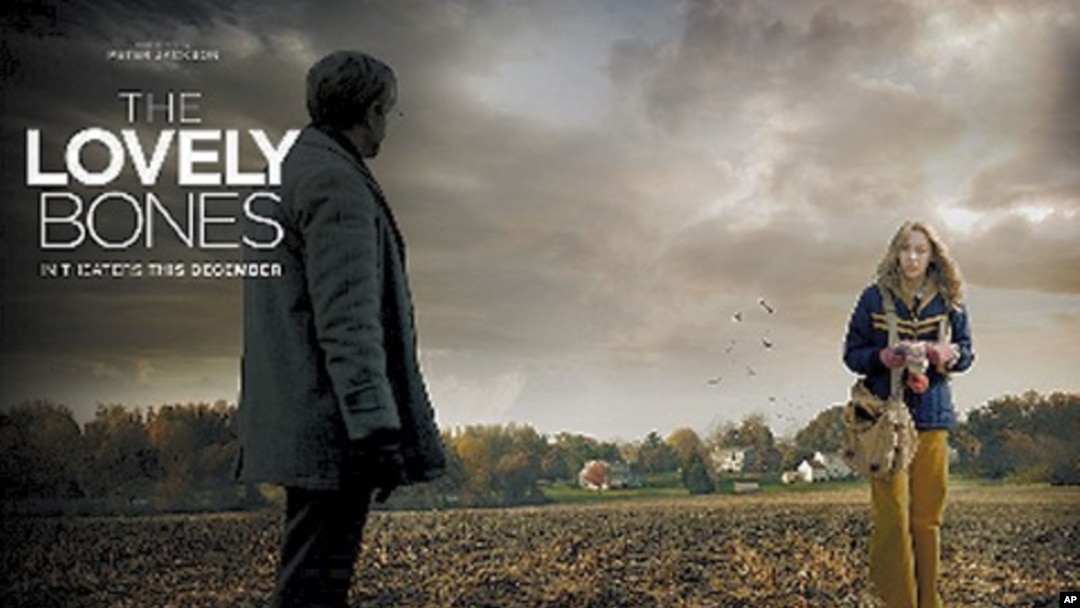 Lovely Bones Salmon Family
If you’re looking for a factual account of a murder case, read a true crime book by Michelle McNamara. But if you want a novel that makes you feel the psychological weight of a loss so profound it warps time and space, that’s why this book exists. It’s a thought experiment about the afterlife of a family, not a biography of a dead girl.

