
First, a quick science snack. Acid reflux happens when stomach acid decides to visit places it doesn’t belong, like a party crasher in your throat (rude!). Cheese is fatty, and fat can relax the lower esophageal sphincter (LES), the muscle gatekeeper that’s supposed to keep acid down. Think of it as greasing the hinges on a trapdoor—trouble is invited.
But wait! Not all cheese is a traitor. Some cheeses are like polite guests who bring a salad. Others are the ones who knock over the punch bowl and start a mosh pit. The key is knowing which cheese is the party animal and which is the designated driver.
The Acid Attackers: Hard, Aged, and Spicy Favorites
Aged cheeses like Parmesan, sharp cheddar, and gouda are the usual suspects. As cheese ages, it loses lactose (good news for some tummies) but gains tyramine and histamines. These compounds can trigger a reflux reaction in sensitive folks. Imagine them as tiny gremlins poking your LES with pitchforks. Not fun.
Hard cheeses also pack a lot of salt and fat, a double whammy. Blue cheese? That moldy goodness is basically a histamine bomb. And spicy pepper jack? You’re asking for trouble. It’s like putting a jalapeño on a roller coaster—exciting, but someone’s going to throw up.
The Gentle Goudas: Low-Fat, Fresh, and Friendlier Choices
On the flip side, fresh, soft cheeses tend to be kinder. Think cottage cheese, ricotta, and mozzarella (the fresh kind, not the shredded stuff). They’re lower in fat and aging, which means less drama. Goat cheese is often easier to digest because it has a different protein structure. It’s the chill yoga instructor of the cheese world.
Even cream cheese can be okay in small amounts—just don’t slather it on a bagel like you’re buttering a winning lottery ticket. Moderation is your BFF here. A spoonful of ricotta on a cracker? Probably fine. A whole wheel of brie with a side of guilt? Risky business.
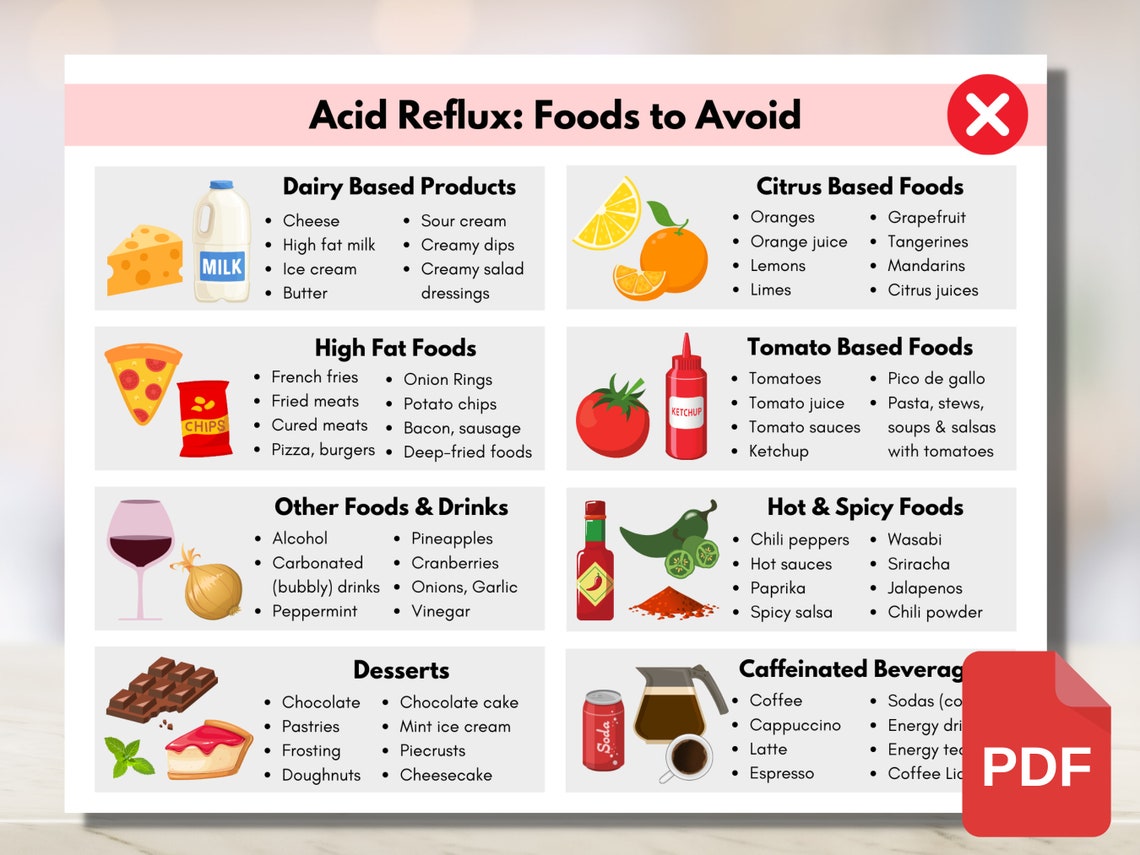 GERD, Acid Reflux, Heartburn Food Guide, Gastritis Grocery List, Meal

