
Alright, here's the play-by-play. Turn off the water supply to the softener (usually a valve behind the unit). This is like putting your appliance in "please don't flood my house" mode. Next, find the brine tank lid and pop it off. If you see a solid crust of salt on top, gently break it up with a broom handle or a wooden spoon. This crust is called "salt bridging," and it's the enemy of good water. Don't smash it like you're in a rage room; just a gentle poke.
Now, the main event. Grab the bag of salt, curse the manufacturer for making the opening too small, and pour the pellets directly into the tank. Fill it until the salt level is about halfway to two-thirds full. Never fill it to the brim—that's like stuffing a turkey until it explodes, but with more water damage.
The "But Why Not Full?" Question
Great question, imaginary reader! If you overfill, the salt can "mush" into a solid block that refuses to dissolve. Your softener then runs a dry, sad regeneration cycle and your water becomes hard again. You'll end up with a tank full of salty concrete and a profound sense of regret. Also, never, ever use rock salt meant for melting ice on driveways. That stuff has gravel and dirt in it. You're not seasoning your driveway; you're seasoning your water.
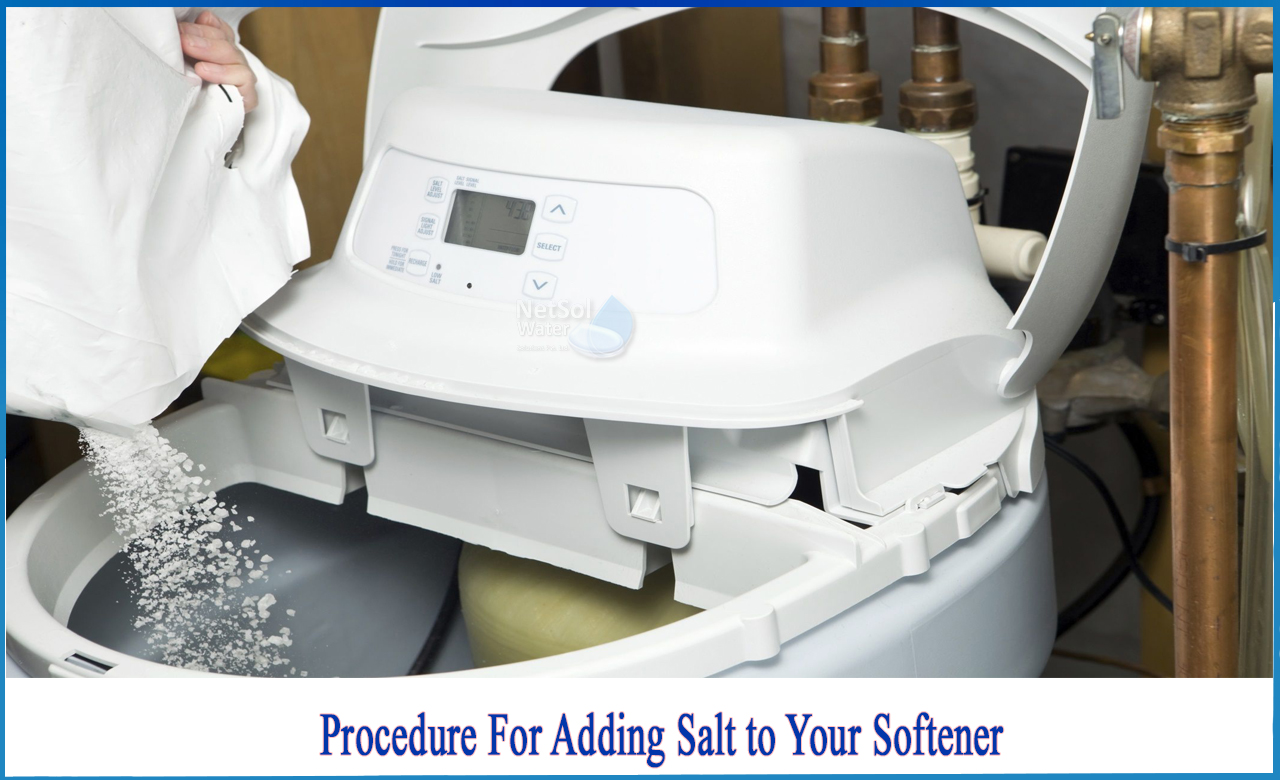 How to add salt to the water softener