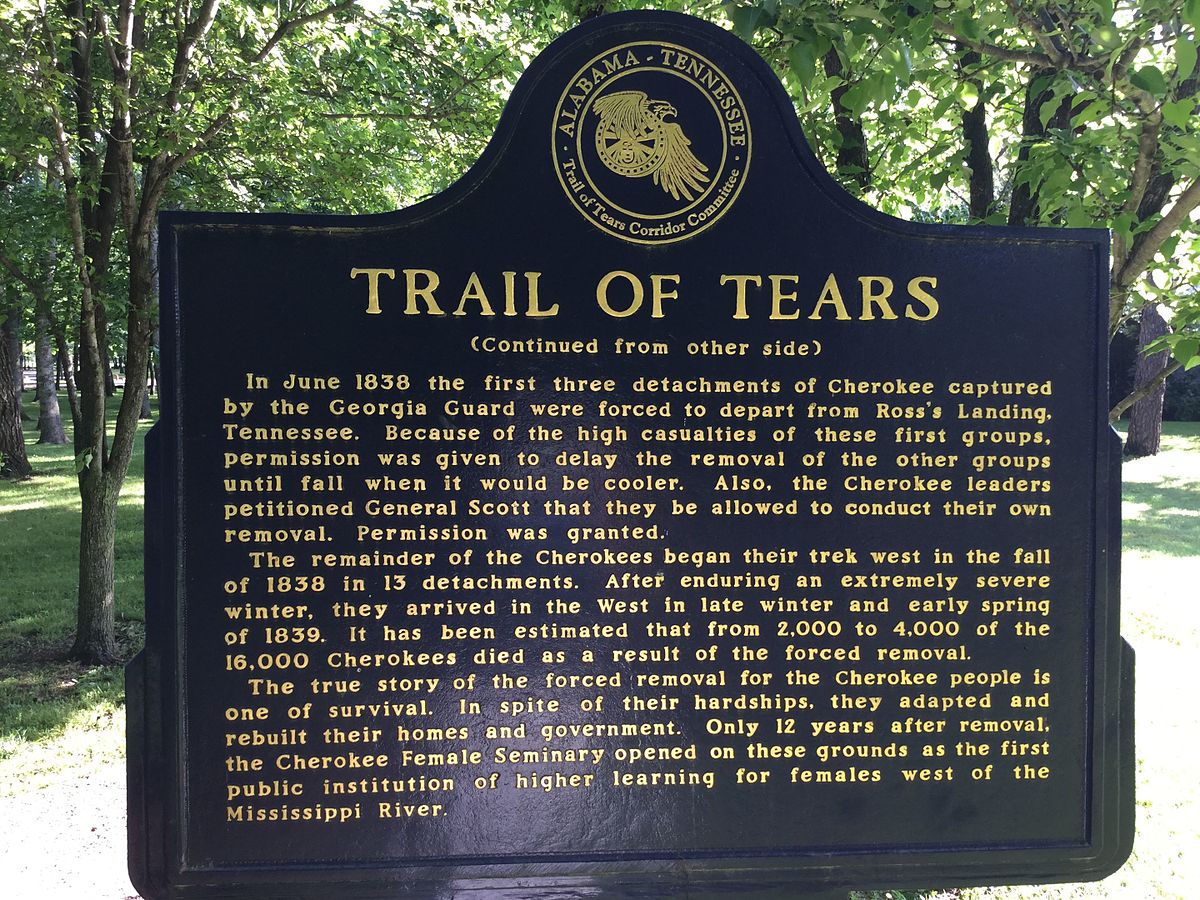
Official records from the U.S. Army and Cherokee rolls are frustratingly incomplete. Historians estimate that between 4,000 and 6,000 Cherokee people died on the forced march from 1838 to 1839. That’s about one-fifth of the entire Cherokee Nation at the time.
These weren’t just numbers on a ledger—they were elders, mothers, infants, and warriors. The true death toll might be higher, as many died in internment camps before the journey even began.
Think of it this way: if a modern city of 20,000 people lost 4,000 in a single year, we’d call it a tragedy of epic proportions. And yet, the Trail of Tears is often reduced to a single sentence in history class.
The Journey Was a Recipe for Disaster
The federal government forced the Cherokee to travel in the dead of winter. Disease, starvation, and exposure were the silent killers. Measles, whooping cough, and cholera tore through groups like wildfire.
Each person was supposed to get a blanket, a set of clothes, and rations. Many received nothing—or items that were moldy and unusable. Imagine walking 800 miles through snow and mud with a threadbare blanket and no shoes.
One heartbreaking detail: the Cherokee called the route Nunna daul Isunyi, or “The Trail Where They Cried.” They didn’t sugarcoat it. They named it with raw, honest grief.

