
Your water bottle’s worst enemies aren’t mold or bacteria (those need food, and water alone is pretty boring for them). The real villains are heat and direct sunlight. Leave a plastic bottle in a hot car on a summer day, and the plastic can release tiny amounts of chemicals like antimony or BPA into the water. It’s not a nightmare scenario—the levels are usually very low—but it’s definitely not ideal for your long-term health.
So, if you’re storing water for emergencies, do yourself a favor: keep your bottles in a cool, dark, and dry place. Think of it like storing a nice chocolate bar—you wouldn’t leave it in the sun to melt, right? Same goes for your precious H2O. A basement closet or a pantry shelf is perfect, not the windowsill where your cat loves to nap.
Reusing Bottles: The "Soda Bottle" Dilemma
We all love a good reuse story. That empty 2-liter soda bottle you’ve washed out ten times? It’s a proud eco-warrior, but it has limits. Repeated wear and tear can cause micro-cracks where bacteria love to party, and those single-use plastic bottles were never designed for years of scrubbing. For long-term water storage, invest in heavier-duty containers made for camping or emergencies—they’re sturdier and made from safer plastics like HDPE (that’s code for “tough and trustworthy”).
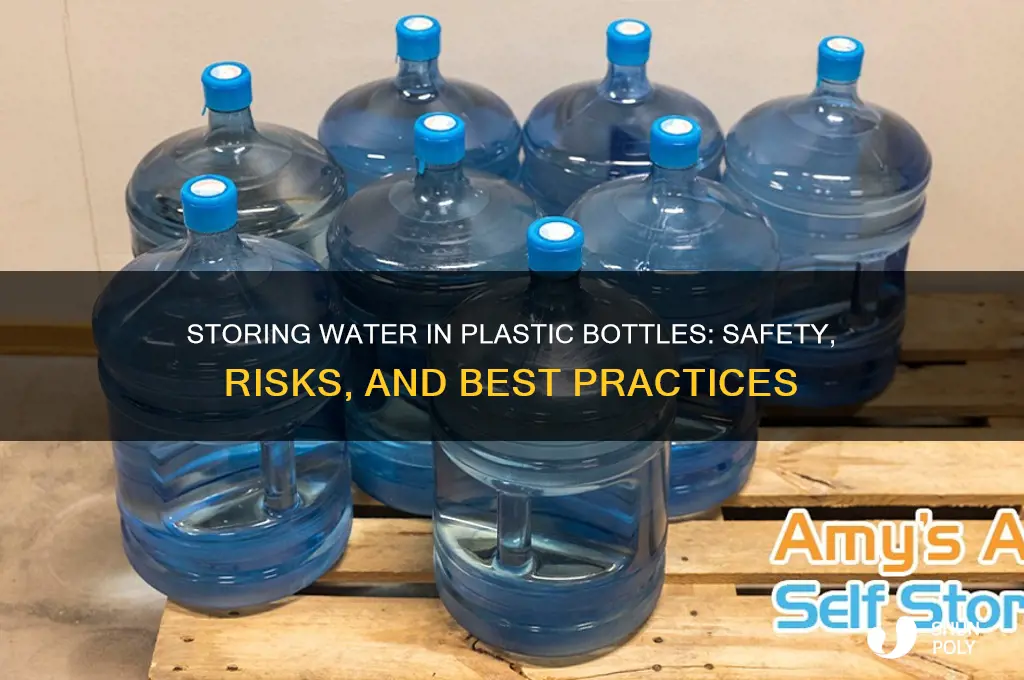 Storing Water In Plastic Bottles: Safety, Risks, And Best Practices
If you do reuse a standard plastic bottle, here’s a friendly rule: swap it out every few months, and definitely if it starts looking scratched up or cloudy. That’s nature’s way of saying, “Time for a retirement party.” Your water deserves a clean, crisp home, not a worn-out old house with shaky walls.

