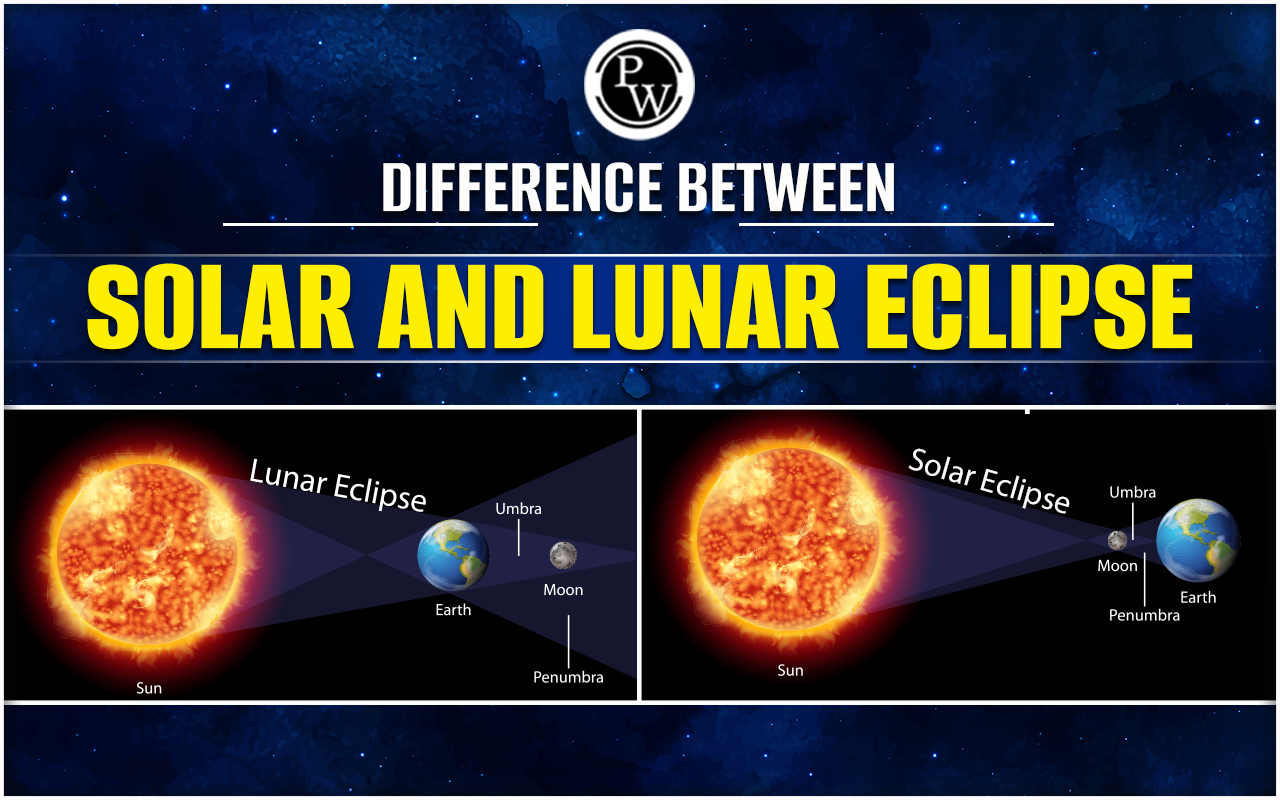
For a solar eclipse, you have to look up at the Sun during the day. But here’s the crucial rule: never, ever stare directly at the Sun without special glasses, unless you want to cook your retinas. It’s like trying to read a book by staring at a lightbulb—bad idea.
For a lunar eclipse, you just gaze at the Moon at night, and it’s completely safe to watch with your naked eyes. It’s the chill cousin of the eclipse family. You can lie on a blanket, sip hot cocoa, and watch the Moon slowly turn into a glowing copper coin.
Think of it like this: a solar eclipse is a quick, intense surprise—like a fire drill at work. It lasts only a few minutes, and you need special gear. A lunar eclipse is a slow, cozy show—like a three-hour movie with popcorn. No special glasses needed, just a clear sky.
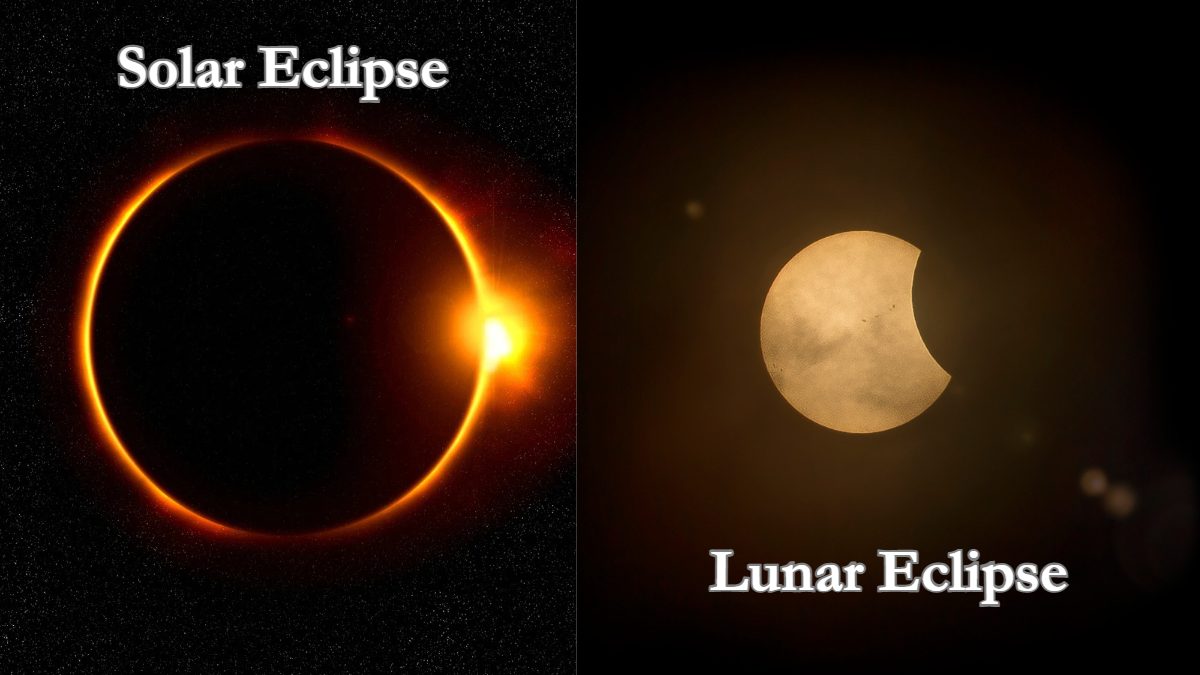 Lunar Eclipse 2026: What is the Difference Between Solar and Lunar Eclipse?

