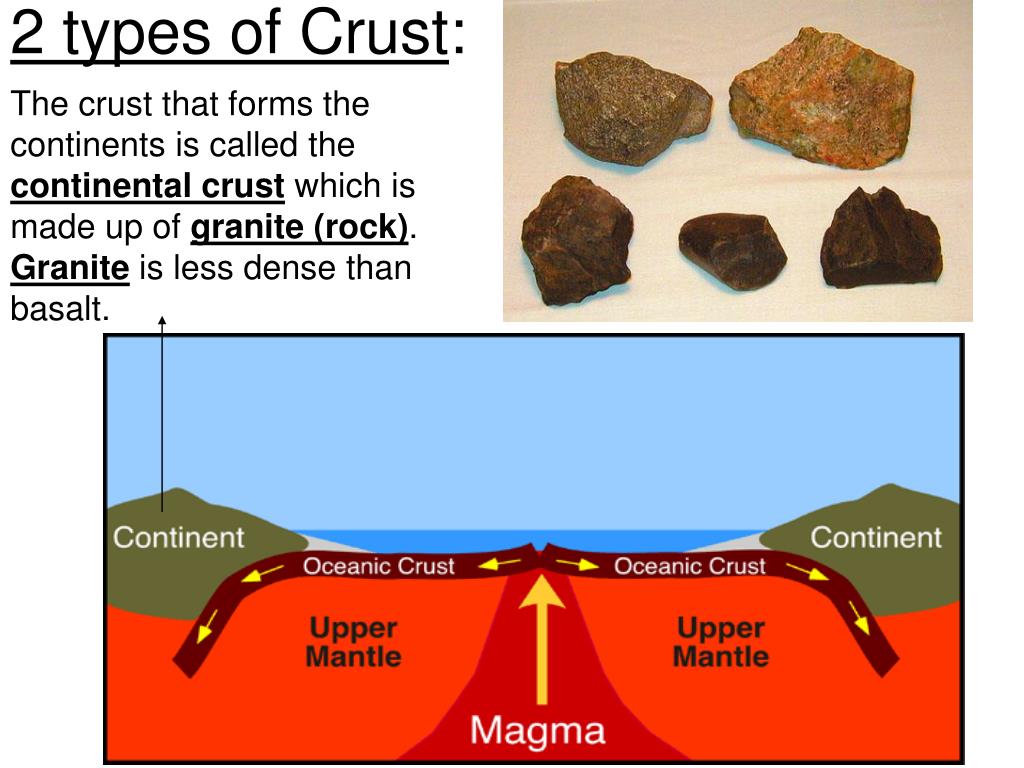
Continental crust is the wise old grandparent. Some parts are over four billion years old. Yeah, it’s been around since the planet’s awkward teenager phase.
Oceanic crust? Total baby. The oldest bits are about 200 million years old. That’s basically yesterday in geologic time. It gets constantly recycled back into the mantle at subduction zones. Out with the old, in with the new.
Imagine if you replaced your skin every 200 million years. You’d look fantastic for your age. That’s oceanic crust: forever young, constantly getting a facelift from underwater volcanoes.
Where Do They Live? (Location, Location, Location)
Continental crust is what you’re sitting on right now. It makes up the landmasses and the shallow sea floors near coasts (the continental shelves). It’s the VIP lounge of the planet.
Oceanic crust covers about 60% of Earth’s surface. It’s the vast, dark floor of every ocean. It’s like the backstage area—where all the real, messy action happens.
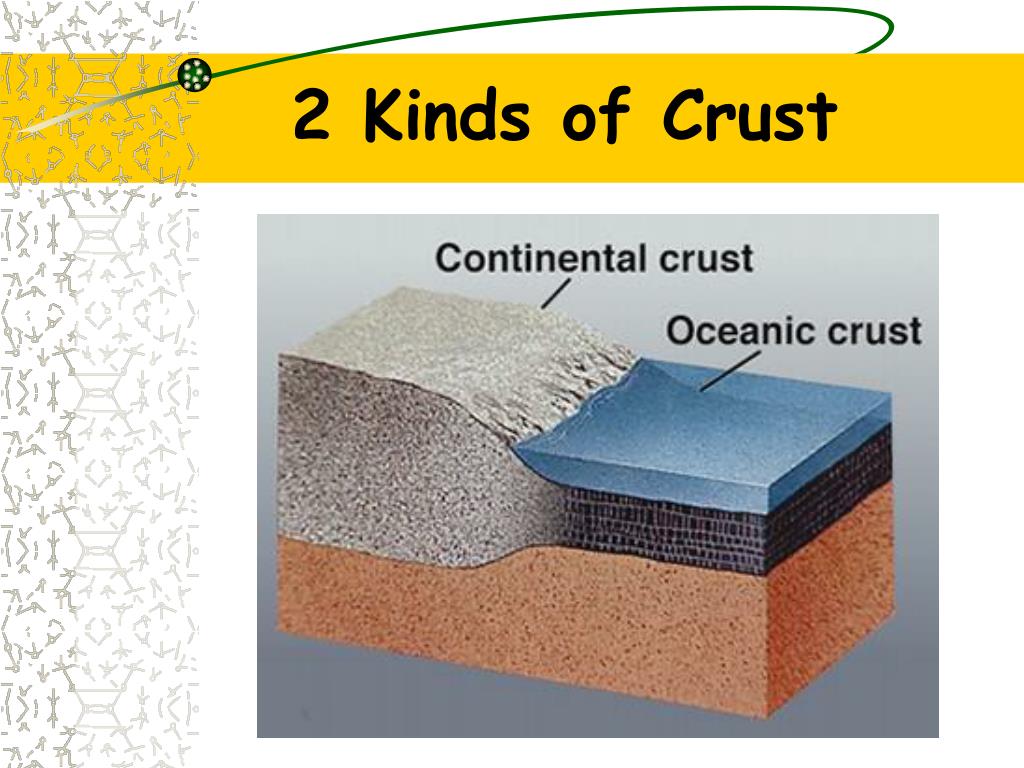 PPT - Tectonic Plates PowerPoint Presentation, free download - ID:535199
And here’s the wild part: they crash into each other all the time. Because oceanic crust is denser, when it meets continental crust, it dives underneath. It’s the ultimate martyr—it subducts, melts, and creates volcanoes. Hello, Mount St. Helens!

