
With a taxi, you are essentially playing a game of luck. You stand on a corner, stick your arm out, and hope the universe sends a cab that’s both empty and willing to go to your destination. (And if you’re in a city like New York? Forget it. Good luck during a downpour.) With Uber, you open an app, type your address, and watch a little car icon drive across a map toward you. That’s it. No guessing, no praying.
The whole “hailing” thing feels almost medieval now, doesn’t it? You’re literally standing in the elements like a flagpole, while Uber users are sitting in a warm doorway, sipping coffee, waiting for a notification. Power balance shifted—and the driver can’t “pretend not to see you” because they’ve already accepted your request.
The Payment Problem: Cash vs. The Invisible Hand
Let’s talk about money, because this is where things get really awkward. A taxi driver will often ask, “You got cash?” while eyeing your credit card as if it’s a forged passport. That’s because taxi meters can charge you for “waiting time” or “luggage fees” that you didn’t even know existed. You arrive at your destination, the meter says $18.50, and the driver says, “That’ll be $23—tip.” (Wait, what? Did I just get dinged for a pothole?)
With Uber, the price is locked in before you even get in the car. You see the total: $15.47. No surprises. No digging for coins. No awkward moment where you realize you only have a fifty and the driver “doesn’t have change.” (Oh, you know the one.) It’s clean, it’s digital, and your card is charged silently. The only catch? Surge pricing. That $10 ride can turn into $40 during a Taylor Swift concert. But hey, at least you see the knife before you get stabbed, right?
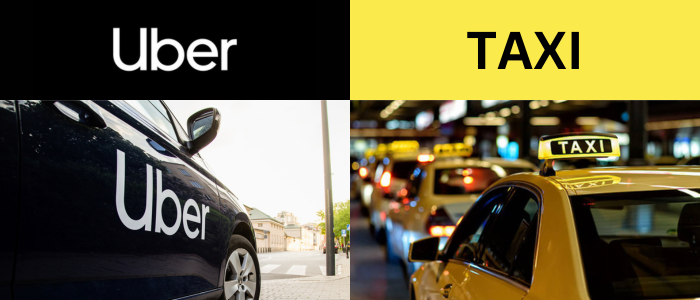 Yellow Cabs Vs Uber Taxi – Uber Taxi Vs Yellow Taxi – NBUUP

