
You might be picturing yourself wrestling the unit out of the window, only to find a science experiment growing inside. Don’t panic—it’s more common than finding a forgotten sock in the laundry. The good news? Yes, you can clean mold out of a window air conditioner, and it’s easier than you think.
Think of it like cleaning out your fridge after a week-old Tupperware incident. It’s gross, but you do it because you don’t want to buy a whole new fridge. Same logic applies here—your AC is worth saving, especially if it’s still cooling like a champ.
Step One: Unplug and Prepare for Battle
Before you do anything, unplug the unit. Seriously, don’t be the person who tries to clean something with a power cord still in the socket—that’s how summer trips to the ER happen. Grab a screwdriver (usually a Phillips head) and a vacuum with a brush attachment.
Picture this: you’re like a weekend warrior, armed with a bucket of soapy water and a sponge. It’s not glamorous, but neither is coughing every time you turn on the cool air. You’ll need vinegar, dish soap, and maybe a bit of bleach if the mold is stubborn.
Step Two: Get to the Guts
Pop open the front grille—most units have a simple latch or two. Slide out the filter, and oh boy, here’s where the magic happens. That filter is basically a net for dust, pollen, and mold spores. Wash it with warm, soapy water until the gray gunk rinses away.
Don’t be shy—scrub it like you’re mad at it. I once found a filter so dirty, it looked like a fuzzy caterpillar had taken up residence. After a good soak, it looked brand new, and my AC blew air that smelled like fresh laundry, not a basement.
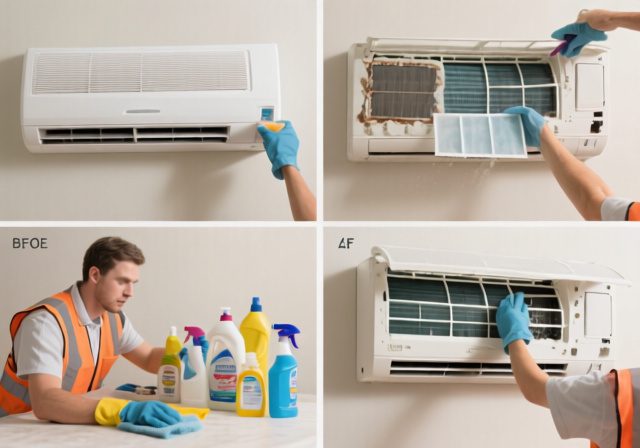 How to Remove Mold From Window Air Conditioner: Complete 2026 Guide
Step Three: Tackle the Coils and Vents
Now, reach into the unit’s interior—the metal fins (coils) and plastic walls. Spray a mixture of equal parts white vinegar and water onto a cloth, not directly into the unit (electrical parts hate a shower). Wipe down every surface you can reach, especially those dark corners where mold loves to hide.
For tough spots, use a soft brush—like an old toothbrush that’s seen better days. I used my kid’s craft paintbrush once, and it worked perfectly. Just be gentle; those fins are delicate, like a can of soda that’s been squeezed too hard.
Step Four: The Bleach Option (Use Sparingly)
If vinegar isn’t cutting it, mix one tablespoon of bleach with one quart of water. Apply it with a cloth to only the plastic parts, not the metal coils—bleach can corrode them. Let it sit for ten minutes, then wipe with a damp cloth.
Bleach is like that go-to friend who’s a bit intense but gets the job done. Just don’t overdo it, or your apartment will smell like a swimming pool for a week. Your sinuses might appreciate the clean, but your cat won’t.

