Let’s cut to the chase: governments love taxing diesel. Why? Because historically, diesel was the fuel of trucks, trains, and tractors—the backbone of every economy. Governments figured, “Hey, businesses can afford a little extra squeeze,” so they slapped higher excise duties on it.
But here’s the ironic twist: in the U.S., diesel is sometimes cheaper than petrol. Wait, what? Yeah, American diesel taxes are lower because they use diesel mostly for industrial stuff, not for your daily commute. Context is everything, my friend. Where you live dictates which fuel drains your wallet faster.
In Europe, for example, governments deliberately taxed diesel higher to discourage passenger cars from using it. Then they remembered diesel gets better mileage, so they reversed course—but the tax never really dropped. Classic bureaucratic oopsie.
Refining: The Dirty Little Secret
Here’s a fun fact: crude oil is a complex soup. To make petrol, you basically boil it and skim off the light stuff. Diesel comes from a heavier, stickier fraction that requires more energy and equipment to process. You’d think that makes diesel more expensive to produce, right?
Well, not exactly. Refineries are weirdly flexible. They can tweak the process to produce more of one fuel if the price is right. But here’s the kicker: diesel demand has skyrocketed globally (thanks, e-commerce delivery vans), while petrol demand is slowly dipping. Basic economics says: high demand = higher price. Supply ain’t keeping up.
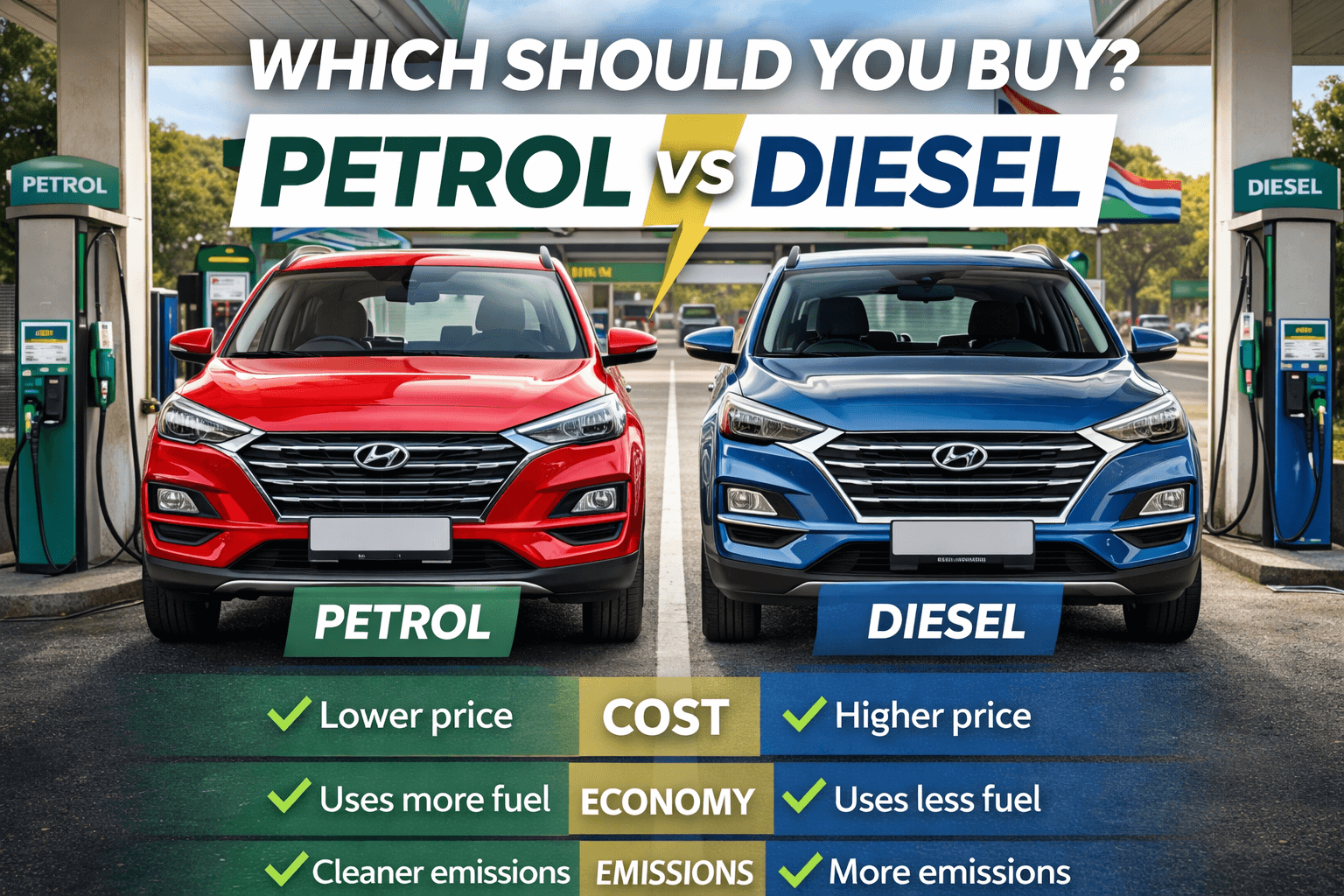 Petrol vs Diesel Cars: Which Engine Should You Buy?
And let’s not forget the shipping costs. Diesel is denser and safer to transport, but it also requires specialized storage tanks. Guess who pays for that? You, at the pump, with a smile.