
Actually, yes! Many ethnic and religious communities have their own emergency services. In the U.S., you’ll find Hatzolah (also Jewish), run by volunteers who rush to help in Orthodox neighborhoods during Shabbat, when phones aren’t used. It’s no different than an Irish community having a St. Patrick’s Day parade or a Hispanic neighborhood organizing a health clinic that serves everyone. It’s about cultural pride meeting practical care. It’s not “separate but equal”—it’s “we’ve got your back, and here’s our special thing.”
Think of it like a community garden. One group plants tomatoes because they love making sauce. But guess what? If you want a tomato for your sandwich, you can absolutely pick one. The garden is for the whole block, but it’s designed with love by people who know that basil goes well with their grandma’s recipe. Same with Jewish ambulance services—they’re built with a cultural flavor, but they serve the whole neighborhood.
Why Should You Care?
Because this teaches us something beautiful about community. In a world that feels divided—where we scroll past angry headlines—seeing a service that specifically exists to save lives, any life, is a warm hug. It shows that having a unique identity doesn’t mean you have to be exclusive. You can be proudly Jewish and still say, “Come on, my ambulance will take you to the hospital, and there’s a free blanket in the back.” That’s the kind of neighbor we all want.
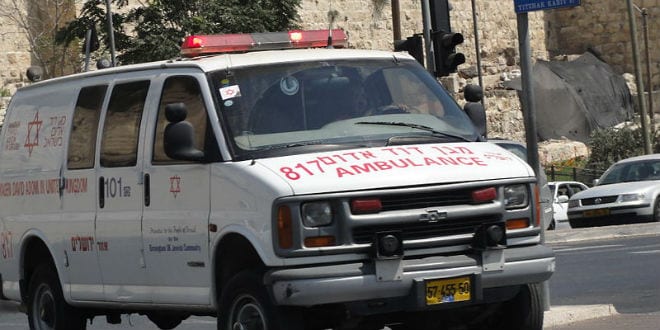 Israel’s Blood and Ambulance Services Unwavering in Their Mission
Plus, it’s practical. In Israel, MDA responds to over 600,000 calls a year. They’re experts in trauma, terror attacks, and even heatstroke from the blazing sun. They don’t ask your religion. They ask, “Where does it hurt?” The same is true for Jewish-led services in London, New York, and Paris. They’re just really good at what they do, and they do it with a smile and maybe a joke about gefilte fish.

