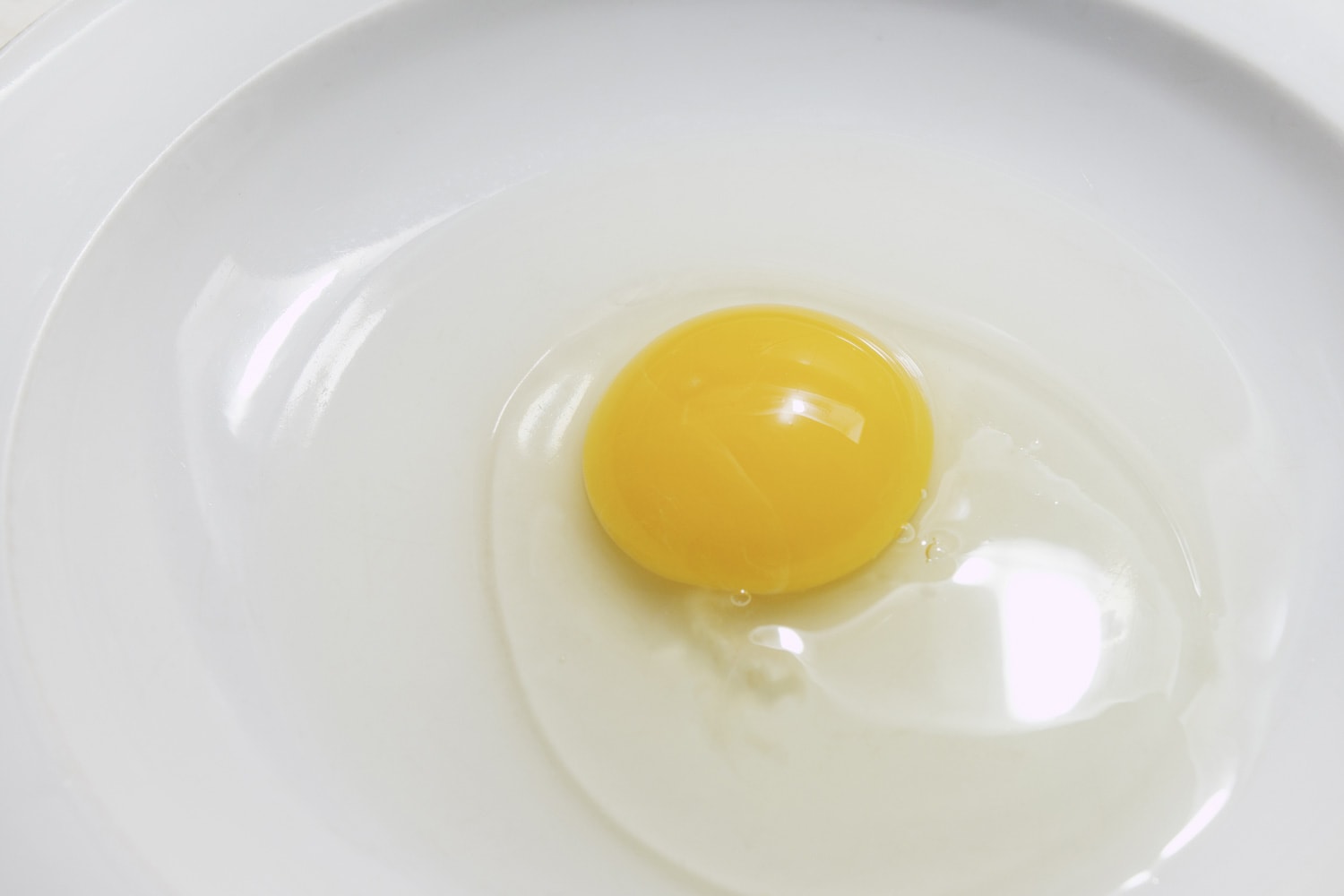
You’ve heard the “float test” for freshness, right? Drop an egg in water. If it floats, it’s old. If it sinks, it’s fresh. That test is fine… but a sinking egg can still have watery whites.
Why? Because the float test measures air cell size, not albumen thickness. So a “fresh” sinking egg can still leak like a sieve when cracked. Isn’t nature annoying?
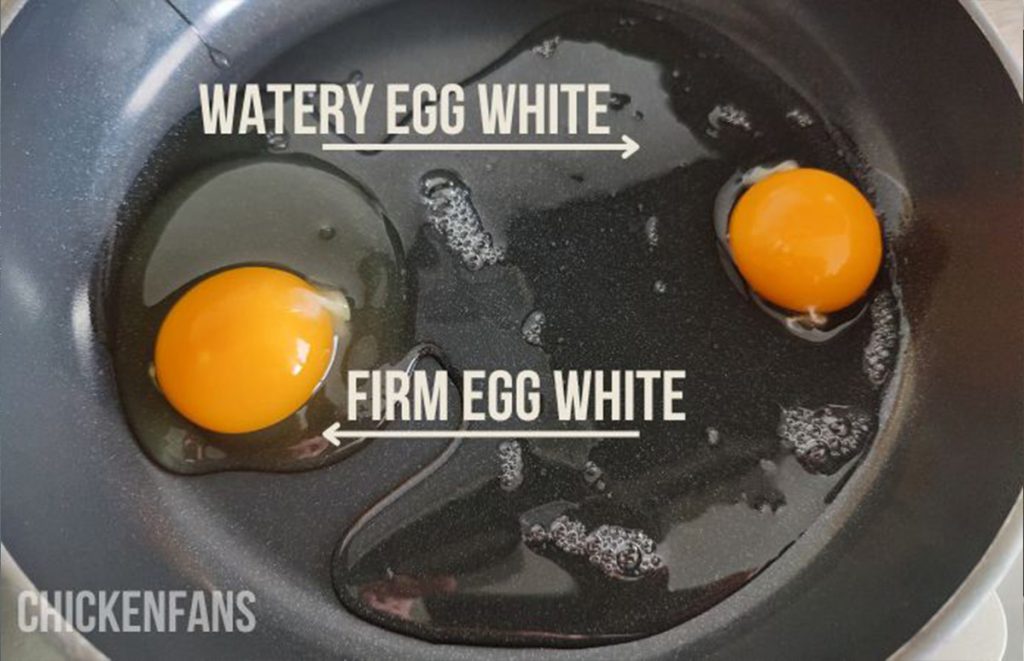 Why Are My Chicken Eggs Watery?
Moral of the story: Don’t trust a float test with your breakfast heart. Crack it into a bowl first, like a civilized human.
So, Should You Eat Them?
Here’s the real question. If the egg smells fine and the yolk looks okay (not green or weird), go ahead and eat it. Watery whites work perfectly for scrambled eggs or omelets.
They’re actually great for baking. Thin whites blend into batter like a dream. So if you’re making cookies, you just hit the jackpot.
But a poached egg? That’s where watery whites betray you. They spread out in the water like a ghost. You end up with wispy, sad egg clouds.
Same with sunny-side-up. The white spreads thin and cooks into a crispy lace edge. Some people call that “fancy.” I call it “breakfast whoopsie.”
How to Prevent Watery Eggs
Buy eggs from a place with high turnover. The fresher, the better. Look for a carton date that’s recent—like, this week recent.
Store them in the coldest part of your fridge, not in the door. The door gets warm every time you open it. That jostles the eggs’ pH balance.
And for goodness’ sake, don’t wash your eggs. Washing removes the natural protective bloom. Then they’ll get watery and sad.