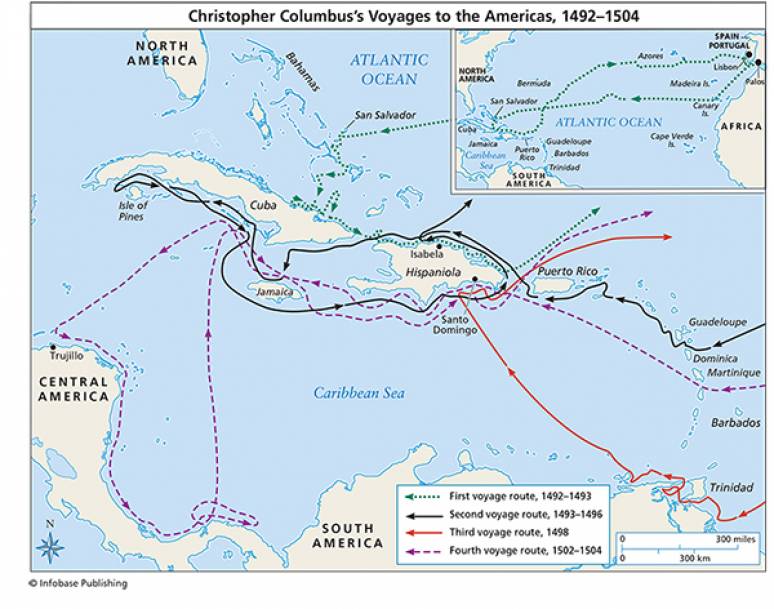
The voyage was funded primarily by the Crown of Castile, which was essentially the Kingdom of Spain in its early, unified form. More specifically, it was the project of Queen Isabella I of Castile and her husband, King Ferdinand II of Aragon.
After years of Columbus pitching his wild idea to the Portuguese, English, and French kings—and getting a polite “no thanks” every time—Spain finally said yes. Isabella was convinced by her advisors (and a growing sense of national pride) that this was a risk worth taking.
But here’s the fun fact: the crown didn’t just write a blank check. They used a mix of royal treasury funds, loans from Italian bankers in Seville, and yes, personal assets of the queen.
The Jewelry Myth (And the Real Money Trail)
You’ve probably heard the story that Isabella pawned her jewels to fund the expedition. Dramatic, right? Well, it’s a charming myth, but not entirely true. She didn’t actually have to sell her diamonds.
In reality, the funds came from a special loan secured by the Santa Hermandad—a powerful police force and tax-collection agency in Castile. That agency had deep pockets from fines and taxes, and it fronted the cash for the three ships.
However, the legend persists because it’s a great story about commitment. Isabella was so invested—pun intended—that she made it clear she was willing to sacrifice personal luxury for the mission. That kind of emotional buy-in is still the secret sauce for any big, risky project today.

