Once the water is clean, it doesn’t just walk to your house—it races through a network of pipes that are like a secret underground highway. In older cities, some of these pipes are made from wood or lead (yikes, but they’re being replaced), while modern ones use durable plastic or metal. Imagine a giant straw system stretching for miles under your street, all powered by pumps or simple gravity.
Here’s a fun comparison: your home’s plumbing is like the blood vessels in your body, and the water treatment plant is the heart. The pipes push water up to your faucet with pressure, so when you turn the handle, it bursts out like a tiny fire hose. That pressure is carefully managed—too little, and you’d get a dribble; too much, and your sink might explode.
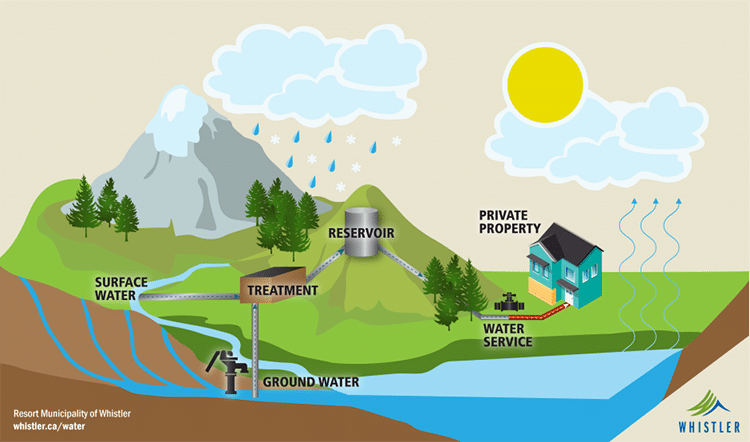 The Journey of Tap Water: From Source to Tap
Where Do You Fit In?
Now, after you rinse your coffee mug or take a shower, where does that water go? Down the drain, of course—but it doesn’t just vanish. It flows into a separate set of pipes (called the sewer system) that lead to a wastewater treatment plant. There, it gets cleaned all over again, often well enough to be released back into a river.
So, that water you just used might end up in the ocean, evaporate into a cloud, and fall as rain on a mountain. Then it runs into a stream, gets scooped up, treated, and comes right back to your tap. It’s the world’s most epic recycling loop. And you’re part of it every single day.
Isn’t it wild to think that a single drop has been through this cycle for billions of years? Next time you pour a glass, maybe give it a little nod. That water has seen things—and now, it’s helping you stay hydrated. Pretty cool, right?