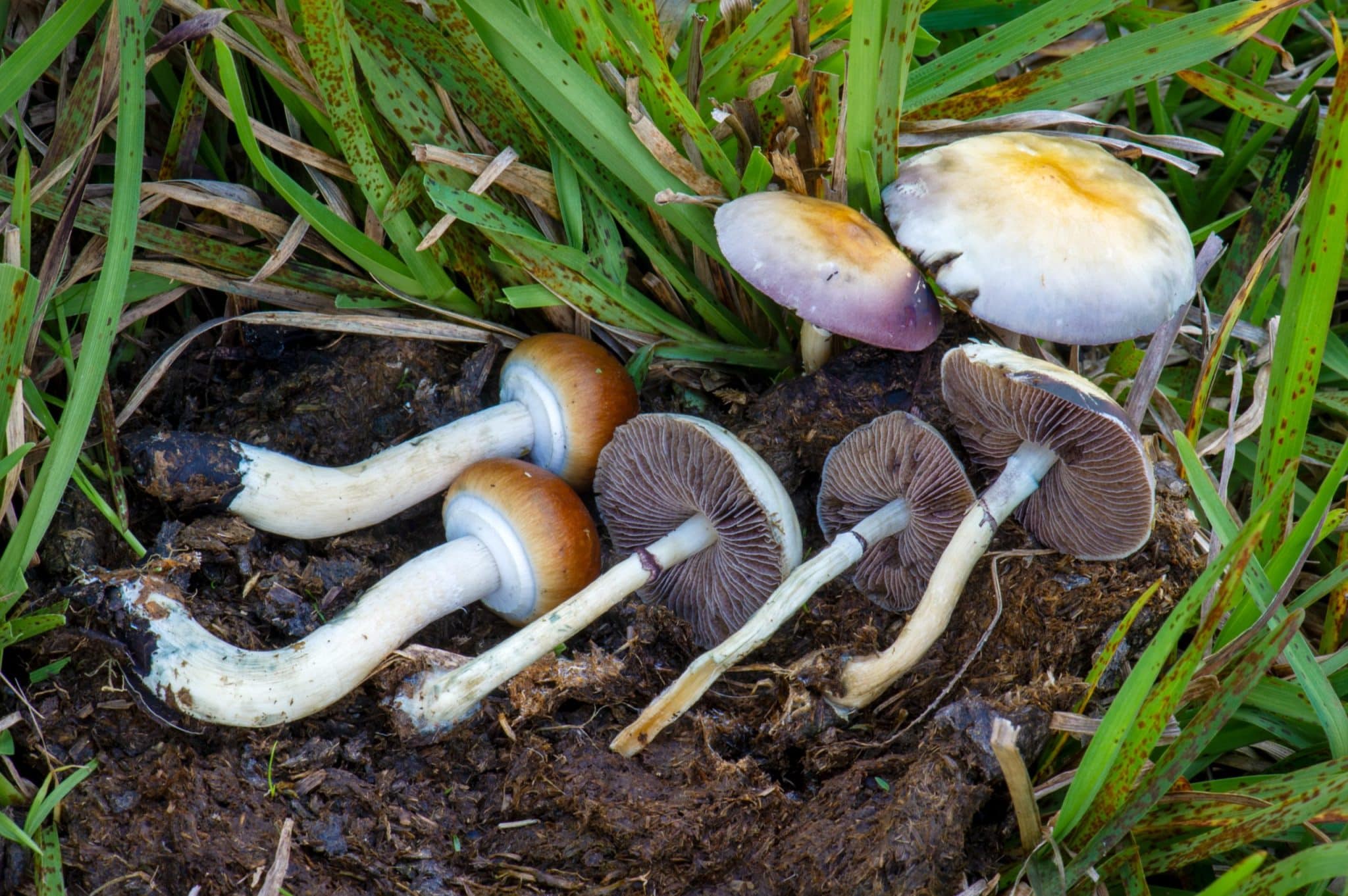
If you want the classic foraging experience, you’ll need to think like a mushroom. They love damp, grassy fields—especially ones that have been grazed by cows or sheep.
Why cows? Because these animals munch on grass and, well, produce excellent fertilizer. It’s a messy job, but someone’s got to do it.
You’ll also find them in wood chips, mulch, and along forest edges. Basically, any place that’s humid, shaded, and slightly neglected is a prime candidate.
Think of it like a mushroom real estate agent: “Location, location, location! Must have moisture, low light, and plenty of decomposing plant matter.”
The Classic Spot: Cow Pastures (Wear Boots)
This is the holy grail for many foragers. The psilocybe cubensis, the most famous magic mushroom, loves dung. Yes, poop. I know, not glamorous.
But here’s the thing: you need to be prepared. Bring a bag, a knife, and a healthy respect for electric fences. And maybe a nose plug.
If you think a mushroom hunt is a peaceful nature walk, you’ve clearly never stepped in a fresh cow pie. It’s a rite of passage. You’ll laugh about it later, after you’ve scrubbed your shoes.
Woodlands and Mulched Gardens
Not a fan of farm animals? No problem. Other species, like psilocybe cyanescens or psilocybe semilanceata (liberty caps), prefer wood chips, rotting logs, and acidic soil.
Look for distinctive features: a nipple-like cap on the top, a thin stem, and a color that ranges from caramel to golden brown. They can be sneaky.
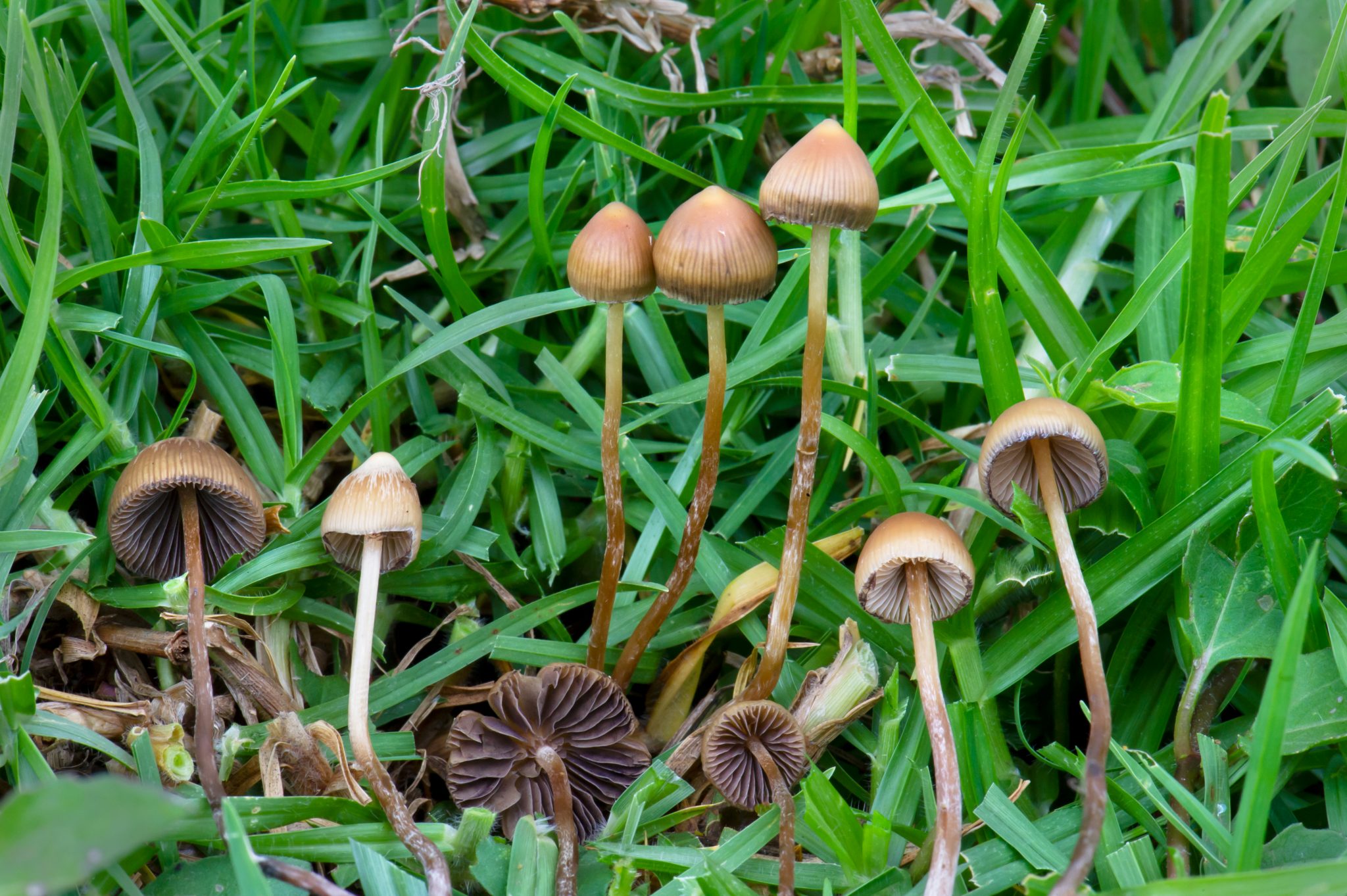 Discover the Many Types of Psilocybin Magic Mushrooms
I once spent an hour staring at a patch of moss, only to realize the mushrooms were literally at my feet. They’re masters of hide-and-seek.

