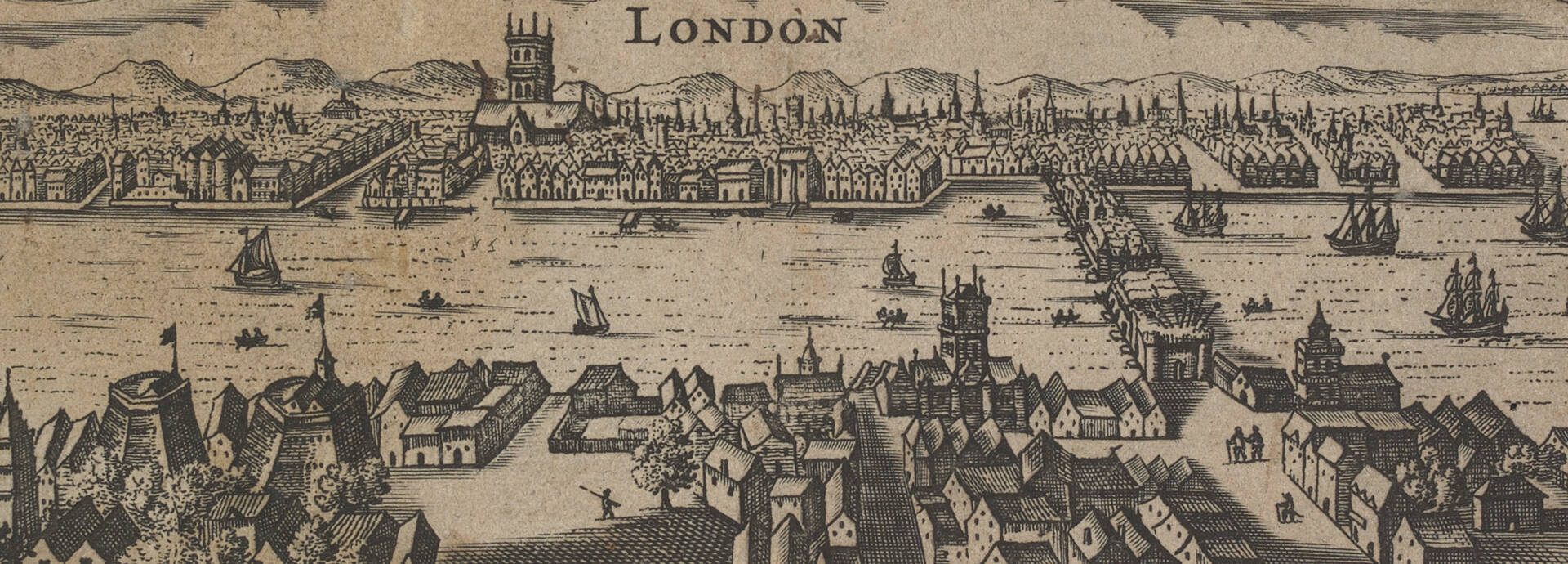
The Romans, those ambitious city-builders, founded Londinium around 43 AD. They built a bridge, a port, and major roads that all converged there. Think of it as an ancient superhighway hub—strategically perfect for trade and army movement.
But when the Romans left in the 5th century, London basically fell apart. It became a ghost town for a few hundred years. Irony check: The future capital was practically abandoned while other settlements thrived.
The Anglo-Saxons eventually moved in, but they preferred their own power centers. It wasn't until King Alfred the Great kicked out the Vikings in the late 800s that London began to flex its muscles again. Alfred realized what the Romans knew: this spot was just too useful to ignore.
The Norman Nudge
The real game-changer came in 1066 with William the Conqueror. After winning the Battle of Hastings, he marched on London and said, "Yeah, this is the main prize." He built the Tower of London to assert his authority and made the city his administrative base.
 How London Was Created | Historical london, London history, London
William didn't officially declare London the capital in a speech or anything. He just started using it as the place to rule from. Actions speak louder than parliamentary acts, right? From that moment, the slow, inevitable shift from Winchester to London became unstoppable.
By the 12th century, London was where the treasury, the main royal palace, and the law courts were. If you wanted to talk to the king, you went to London. It was like the old internet—if you weren't connected to it, you were out of the loop.