Honestly, does it change how you eat? Probably not. You’re not going to stop putting tomatoes in your spaghetti just because some botanist yells “fruit!” from a rooftop. But it’s a fun party trick. Next time someone offers you a fruit salad, throw in some sliced bell peppers and cucumber. Watch their face melt.
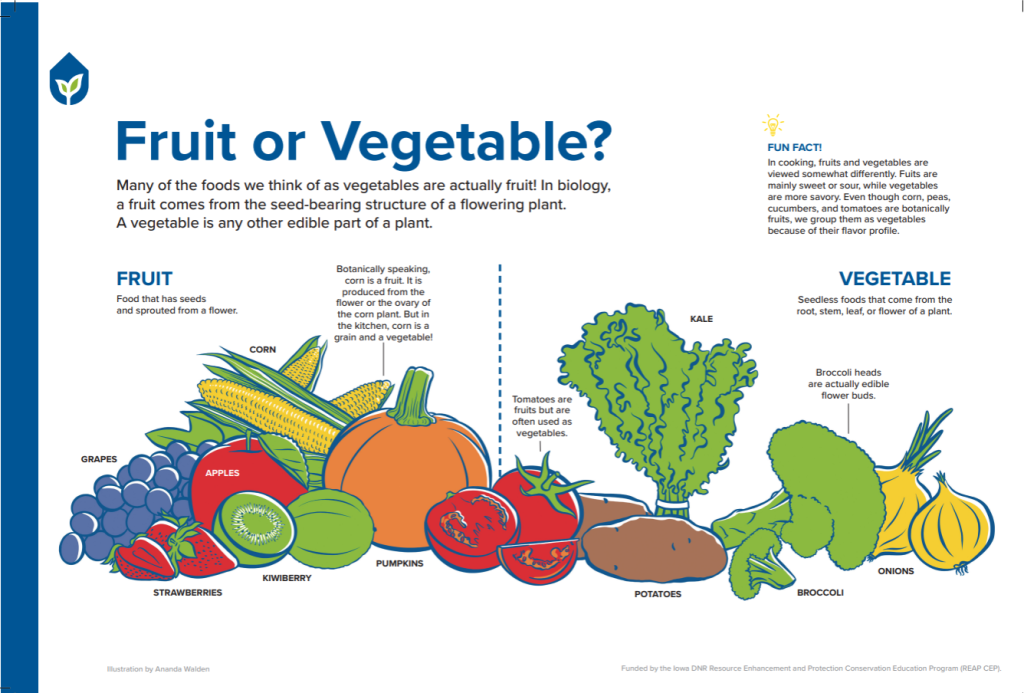
Here’s a rule of thumb: If it’s sweet and has seeds, it’s a fruit (like strawberries, apples, and, yes, watermelon). If it’s savory and has seeds, it’s still a fruit – we just call it a vegetable because we’re rebels. If it doesn’t have seeds at all (like carrots, potatoes, or lettuce), that’s a real vegetable – a root, leaf, or stem. Congratulations, you’re now a botanical detective.
The Final Verdict (Over Coffee)
So, what vegetables are considered fruit? All of them that have seeds. Tomatoes, cucumbers, peppers, eggplants, zucchinis, green beans, peas, corn, avocado, olives – the list goes on. It’s a botanical uprising. But in your kitchen, you call the shots. If it tastes like a vegetable and cooks like a vegetable, it’s a vegetable. Period.
And that’s the beauty of it. Language is messy, food is fun, and definitions are for nerds. So go ahead: slice a cucumber, roast a tomato, and laugh at the fruit salad you just made. Just don’t tell your kids that their pizza is technically a fruit tart. Some truths are best kept over a second cup of coffee.

