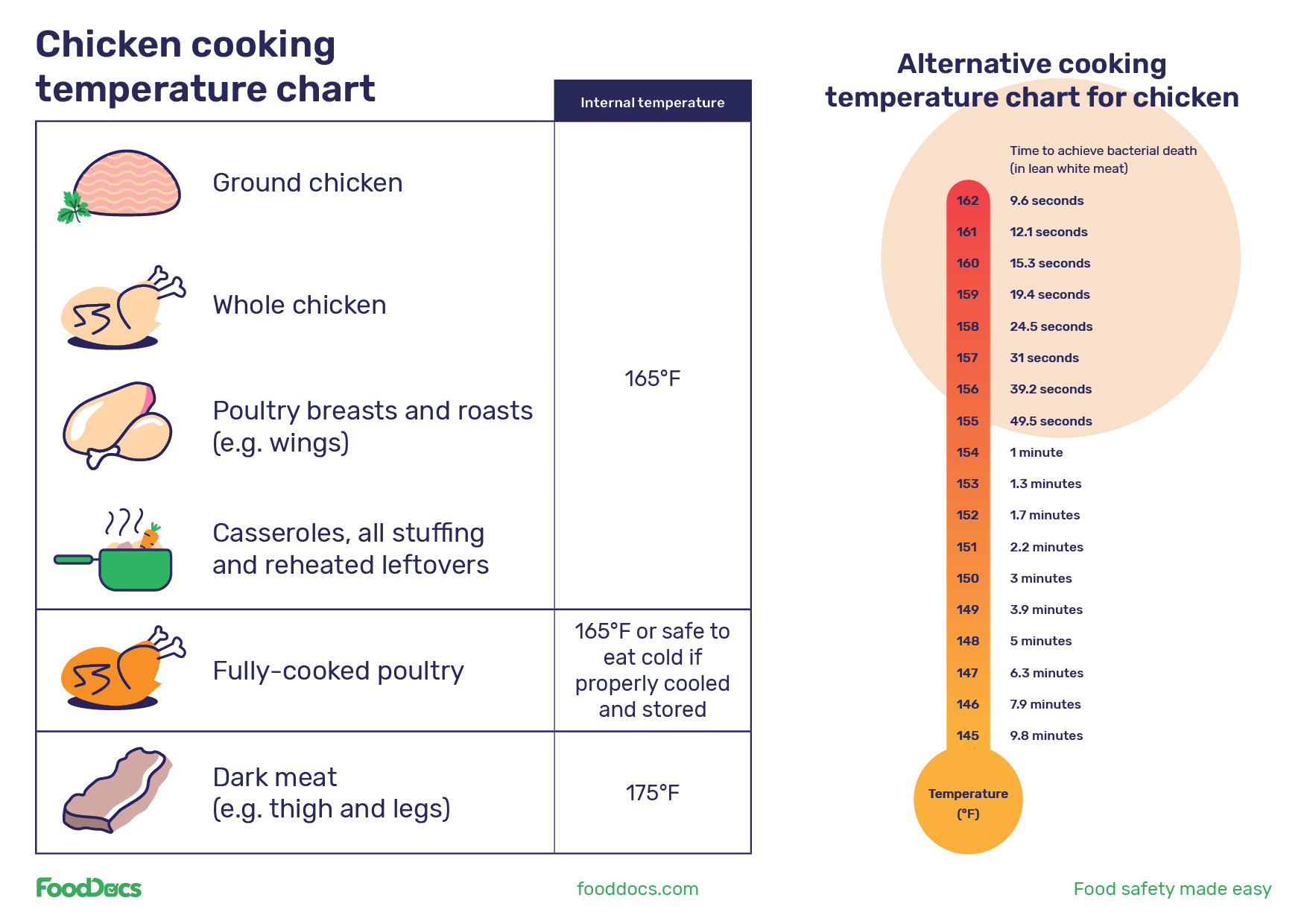
Chicken breasts are lean, mean, and demanding. They peak at 165°F, but if you go over by even five degrees, you’re in dry-town, population: you. For bone-in or skin-on breasts, target 165°F in the thickest part, but let them rest five to ten minutes under foil to redistribute juices.
Thighs and legs, on the other hand, are your forgiving friends. They contain more fat and connective tissue, so they actually benefit from hitting 175°F to 185°F. That extra heat breaks down collagen into gelatin, making the meat silky and almost pulling apart. A thigh at 180°F is a comfort-food hug; a breast at that temp is a sad, dry story.
Cultural Cheat Codes: How the World Does It
Walk into a Japanese yakitori joint, and they’ll grill chicken thigh until it’s just barely cooked through, sometimes still pink near the bone—but they’re using high-quality, carefully sourced birds. Meanwhile, your aunt’s Thanksgiving turkey is probably sitting at 175°F because she’s terrified of undercooking. Neither is wrong; it’s about knowing your bird and your risk.
In France, they roast chicken until the thigh juices run clear and the internal temp hits around 165°F in the breast, but the leg might be a bit higher. Italians do a slow braise where the meat falls apart at 190°F. Culture is seasoning, but the thermometer is the universal grammar.

