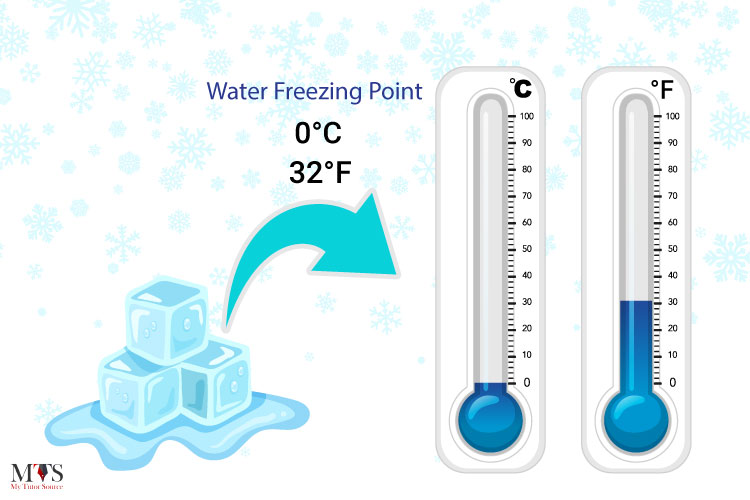
So, what point does water freeze? 32 degrees Fahrenheit (0 degrees Celsius). That’s the magic number, the temperature where liquid water decides to become solid ice. It’s the same reason your car’s windshield gets crusty on a cold morning and why that puddle on your driveway turns into a skating rink overnight.
But here’s the kicker: water doesn’t always freeze right at 32°F. Sometimes it gets stubborn and stays liquid a bit longer—that’s called supercooling. Imagine a carton of milk in your fridge that’s still a little slushy even though the temp is below freezing. Your water can do that, too, until a little bump or a dust particle gives it the nudge it needs.
Why You Should Care (and Smile)
Think about your morning routine. You pour yourself a glass of water, pop in a couple of ice cubes, and—bam—you’re a scientist without a lab coat. Those cubes didn’t just appear; they froze at exactly 32°F, and they need to stay at or below that temperature to keep your lemonade cold. If your freezer is too warm, you get soggy cubes that melt too fast—a tragedy on a hot day.
Now picture your weekend drive. You see a weather forecast saying “32°F tonight,” and you immediately worry about black ice on the road. That little number isn’t just trivia; it’s the difference between a safe commute and a slip-and-slide disaster. Knowing that water freezes at 32°F helps you plan your jacket, your tires, and your patience.

