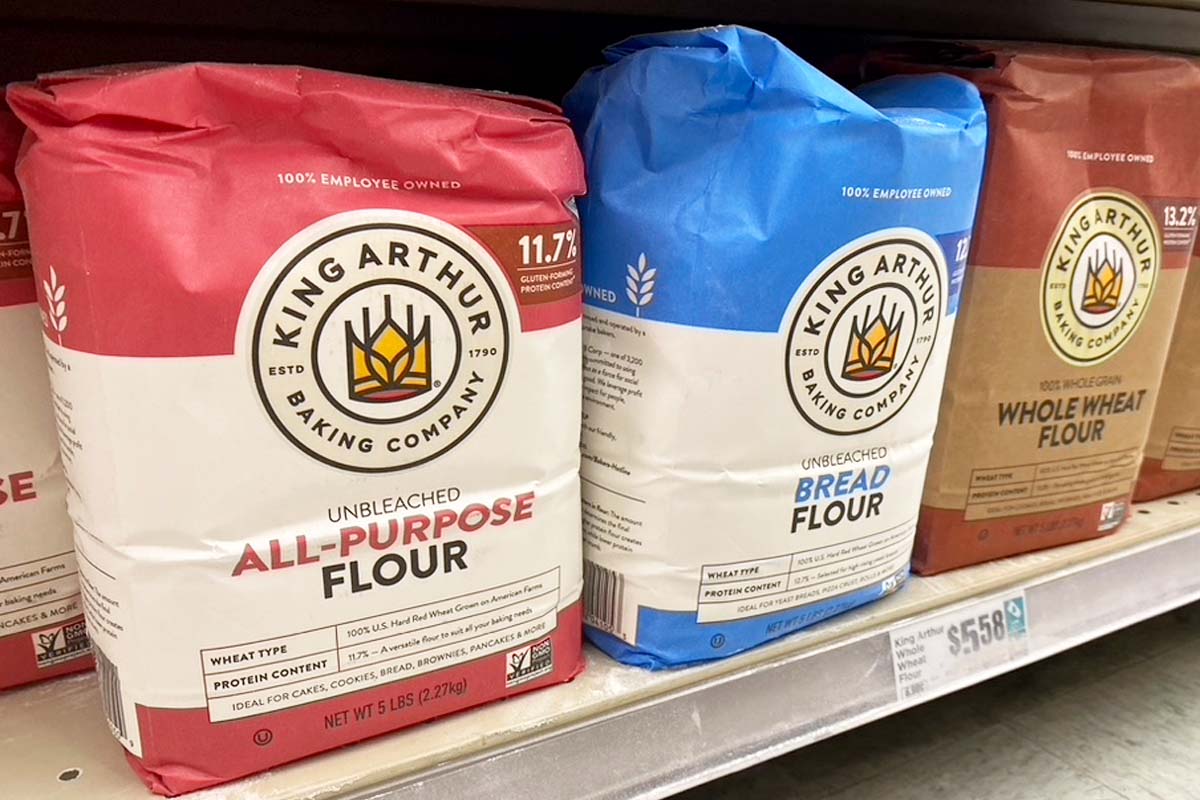
Don’t use AP flour for yeast breads if you want a super open crumb. For airy sourdough, you need bread flour with higher protein (12-14%).
Also avoid it for gluten-free diets! Obviously, it’s pure wheat. But you can buy gluten-free blends that mimic AP flour’s properties.
And never use it as a substitute for cornstarch in very delicate sauces. Cornstarch gives a clear, glossy finish; AP flour makes it cloudy. Know your kitchen chemistry!
Why This Dull Powder Is Actually Fun
Think about it: flour is alive in a weird way. It reacts with water, heat, and microorganisms. It’s our most ancient building block.
You can perform a simple experiment at home. Make a well of flour, add water, and watch it transform into a sticky blob. That’s polymer science in action!
Next time you use it, imagine the Roman soldiers grinding wheat. Or the Egyptian pyramid builders making flatbread. You’re holding 10,000 years of history in a bag.
So grab that bag. Dust your counter. Make a mess. And remember: all-purpose flour is the quiet, dependable friend who never lets you down—unless you forget to close the bag properly.

