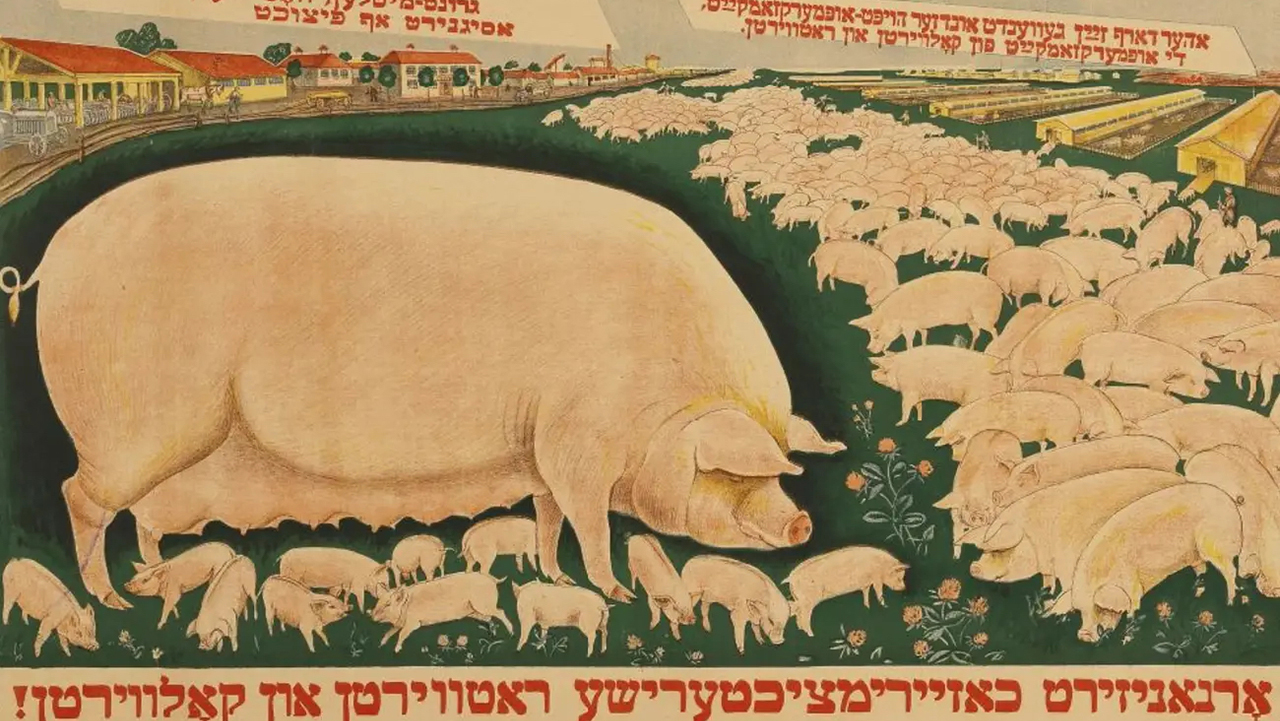
In Judaism, the primary source for avoiding pork comes from the Torah, in Leviticus 11 and Deuteronomy 14. The text simply says: “Do not eat” the pig, because it doesn’t meet the kosher rules (it chews no cud but has split hooves). That’s it. No fine, no jail time, no community service scrubbing synagogues with a toothbrush.
The idea is that observing the law is the reward itself. Think of it like a friendship. If a friend says, “Hey, please don’t eat my secret brownie stash,” the punishment for eating it isn’t a financial penalty. The punishment is the damaged trust, the feeling of having broken a bond. That’s the whole deal here.
For Jews who keep kosher, the “punishment” is simply that they miss out on the spiritual connection that comes from following God’s commandments. It’s less about what you lose and more about what you don’t gain—a sense of closeness and intentionality in every single meal.
So, Where Did the “Fire and Brimstone” Idea Come From?
You might have heard stories about pigs being totally “unclean” or that eating one makes you an outcast. That’s a bit of a cultural exaggeration. The pig is just one of many animals that don’t fit the kosher bill. It’s not the “super-villain” of food—it’s just, well, not invited to the party.
The drama around the pig comes from its symbolic power. In the ancient world, the pig was associated with pagan rites and, later, with Roman oppression of Jews. So avoiding it became a bold act of identity and defiance. It wasn’t about fear; it was about saying, “I’m choosing my tradition, thank you very much.”
 Judaism by Emma Gaddis
That’s why the “punishment” feels more like a badge of honor. When a Jewish person turns down a slice of bacon, they’re not flinching from a threat. They’re silently celebrating a 3,000-year-old bond. That’s pretty rad.