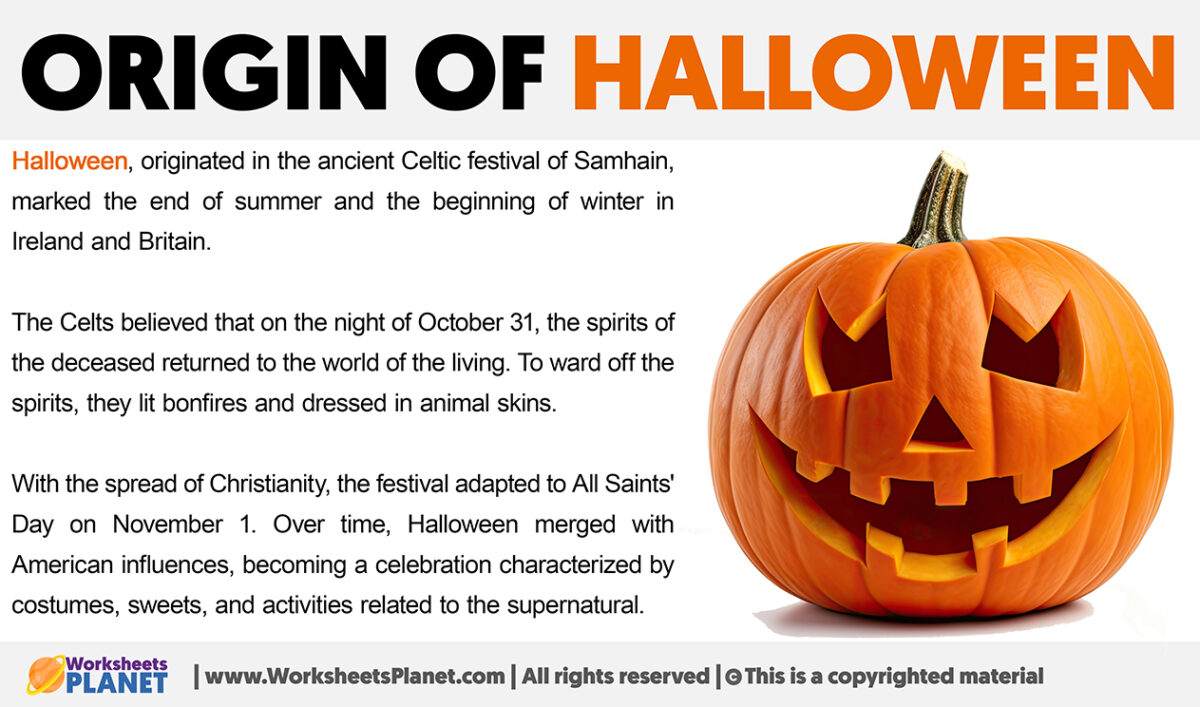
Halloween’s real name is Samhain (pronounced “sow-in,” not “sam-hane,” unless you want ancient Celts to roll in their barrows). About 2,000 years ago, the Celts in Ireland decided that October 31st was the day the veil between the living and the dead turned into a sheer curtain. They believed spirits could pop over for a visit—like uninvited relatives, but with more moaning.
To survive this spectral open house, they’d light bonfires and wear costumes made of animal skins. If a ghost showed up, they wanted to look like a fellow ghoul, not a delicious snack. So yes, the first trick-or-treaters were basically hiding from death by dressing like cows. It worked about as well as you’d expect.
Trick-or-Treat: A Very Slow Evolution
Fast forward to medieval Europe, and you get “souling.” Poor people would go door-to-door, promising to pray for your dead relatives in exchange for “soul cakes”—which are exactly as creepy as they sound. It was bribery for heaven, but with small pastries. By the 1920s, America had turned this into kids screaming “trick-or-treat.” Why the threat? Because if you didn’t give them candy, they’d pelt your house with eggs. And you brought these little monsters into the world.
Here’s a surprising fact: the phrase “trick or treat” wasn’t even popular until a 1951 Peanuts comic strip used it. Before that, it was mostly regional chaos. Imagine a world where kids just silently handed you an empty bag and stared. Halloween is, at its core, a holiday built on peer pressure and pastry.