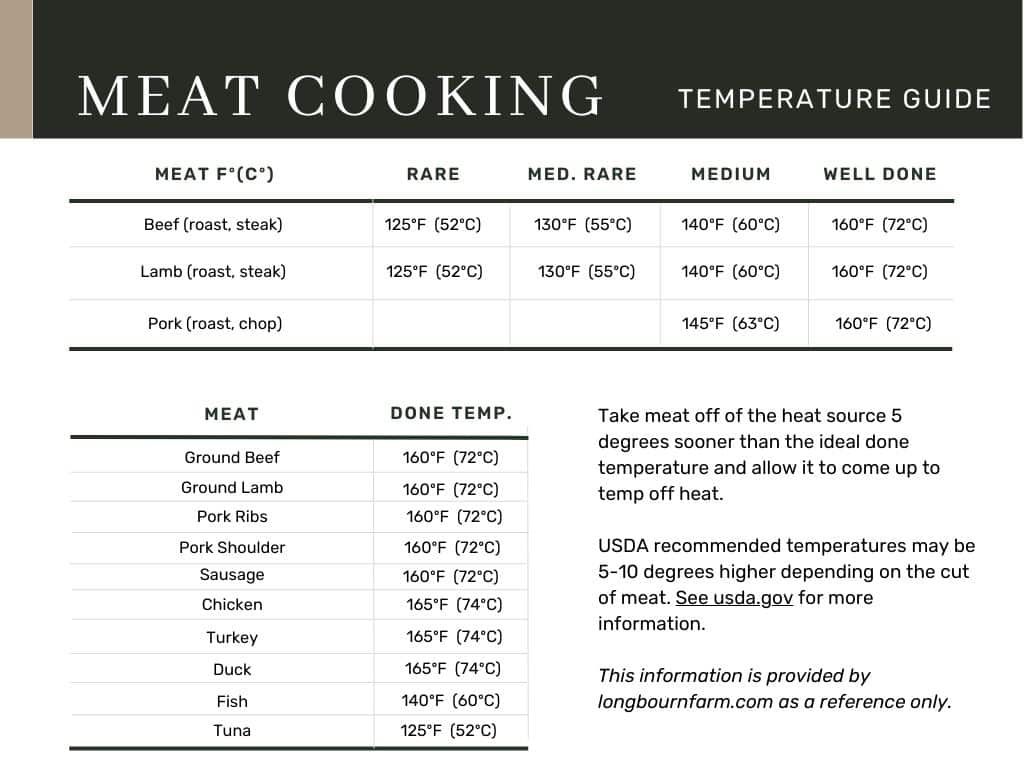
Your home fridge is the MVP. Set it to 38°F, and you’re golden. Use a separate thermometer because the dial on your fridge is a liar—I’ve found mine off by seven degrees.
Wrap beef tightly in plastic wrap or place it in a sealed container. Air is the enemy. Air dries out the surface and lets bacteria ride in on invisible dust motes. Treat beef like a vampire: keep it cold, dark, and sealed.
If you’re buying a big pack from the grocery store, split it into smaller portions before storing. That way, you only thaw what you need. Thawing a whole brisket because you wanted one burger is like using a fire hose to water a houseplant—it’s messy and wasteful.
Transporting Beef: The Cooler Cometh
Ever buy a pack of beef at the store, then stop for coffee, then chat with a neighbor, then drive home with the A/C off? Congratulations—you’re now a bacteria taxi service. Bring a cooler for the drive home.
Pack it with ice packs or frozen water bottles. It’s overkill? Sure. But it’s better than explaining to your guests why the burgers taste like a chemistry lab.
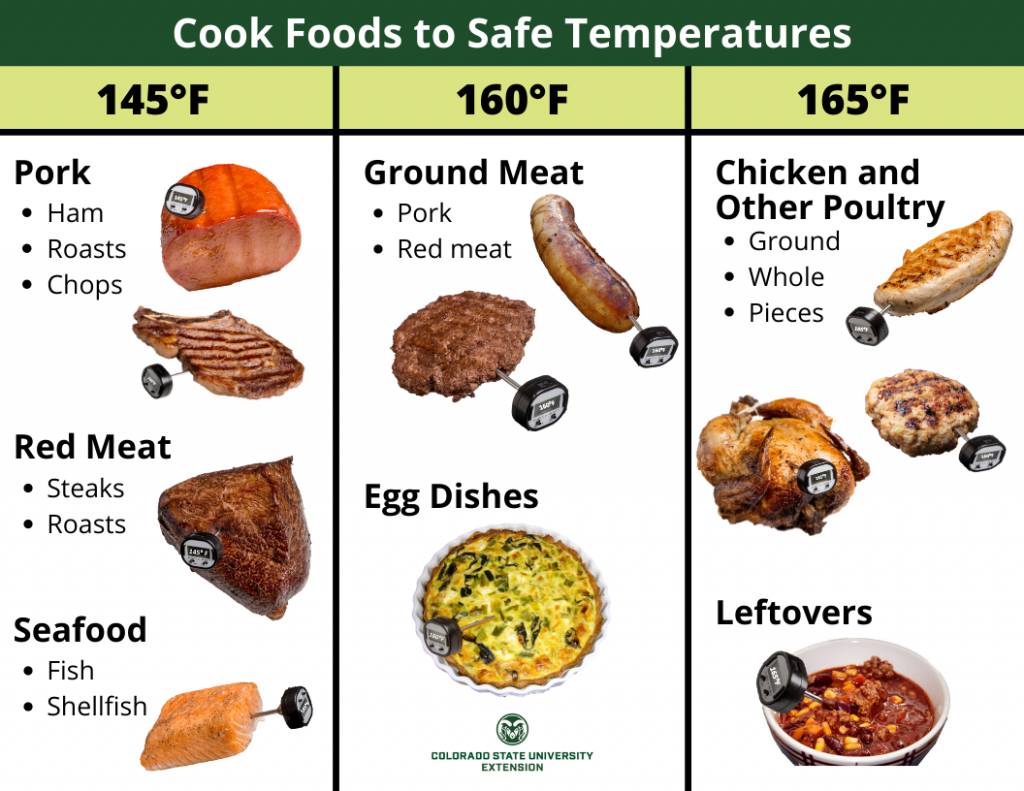 What is the Proper Cold Holding Temperature for Fresh Beef?
I once watched a woman toss a whole ribeye roast into her car’s trunk on a 90°F day, then stop at the dry cleaners. She drove home 45 minutes later. That roast never stood a chance. RIP, ribeye.

