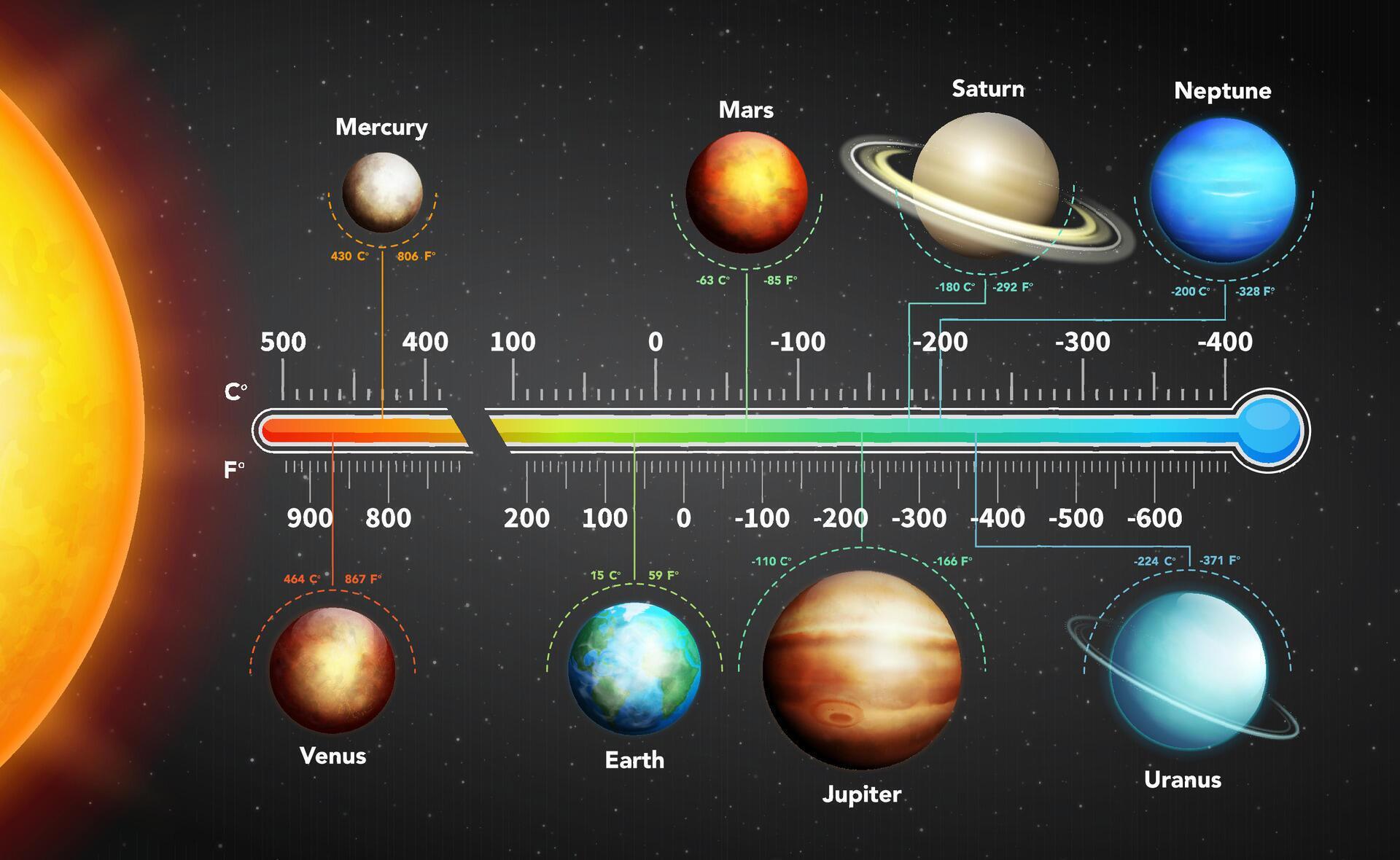
Not exactly. This is where it gets fun. In space, you can freeze and burn at the same time. Sounds like a bad relationship, right? If you’re floating near Earth, the side facing the Sun heats up to a toasty 250°F—that’s hot enough to melt a cheese pizza. Meanwhile, your shady side plunges to -250°F. Talk about split personality.
Imagine standing in a desert with one foot in a campfire and the other in a snowbank. That’s space. The vacuum acts like a perfect thermos—no air to carry heat away, so you either bake or shiver depending on where your astronaut boot is pointed. Spacecraft wear shiny blankets to reflect heat and stay cozy.
What About the “Cold” Parts?
Far away from any star, like in the deep void between galaxies, things get seriously chilly. The temperature can drop to about -455°F (roughly 2.7 Kelvin). That’s the cosmic microwave background we talked about. It’s the universe’s air conditioner, left running since the Big Bang.
But here’s a fun twist: even in that bone-rattling cold, space is not a uniform block of ice. There are clouds of gas and dust out there that are only a few degrees warmer. And near stars, well, you’re talking millions of degrees in their outer atmospheres (the corona). So the answer to “what’s the temperature in space?” is: it depends on where you’re standing. Or floating. Or being pulled into a black hole. Details.