
Here’s the good news: tannins in water are not harmful to your health. In fact, some studies say polyphenols can be antioxidants, which is why people drink red wine for their heart (and because it’s delicious). But in water? They’re more of a nuisance than a threat.
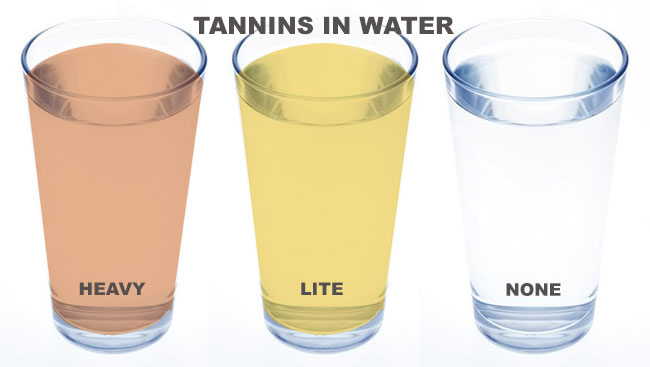 Tannins In Water Supply
The bad news is that they can mess with your laundry (yellow stains!), clog your pipes with a weird slimy film, and make your tea taste like a wet sock. Side comment: if you’ve ever poured a glass of water and thought, “This looks like iced tea but smells like dirt,” you’ve met tannins.
They don’t cause bacteria or viruses—they’re just aesthetically and taste-wise annoying. Your body will process them fine, but your coffee maker will judge you.
How Do You Spot Tannins in Your Water?
It’s pretty obvious once you know what to look for. First, check the color: if your water has a yellow, brown, or reddish hue that doesn’t go away after running the tap a bit, tannins are likely the culprit. Second, taste it—do you get that dry mouth feeling, like you just licked a walnut?
Compare that to iron or sulfur water: iron makes things rusty and metallic, while sulfur smells like rotten eggs (yikes). Tannins are more subtle—they smell and taste earthy, like damp soil or a forest after rain. And if you’re using a water filter, check if the cartridges turn brown quickly; that’s tannins making themselves at home.

