
First, use the right salt. Avoid rock salt or solar salt with high impurities; opt for evaporated pellet salt. It keeps your resin clean and prevents sludge buildup in the brine tank.
Second, check your resin every couple of years. If you notice your water feels harder again, or if the softener is running salt cycles more often, the beads might be fouled or worn. A simple resin cleaner can revive them.
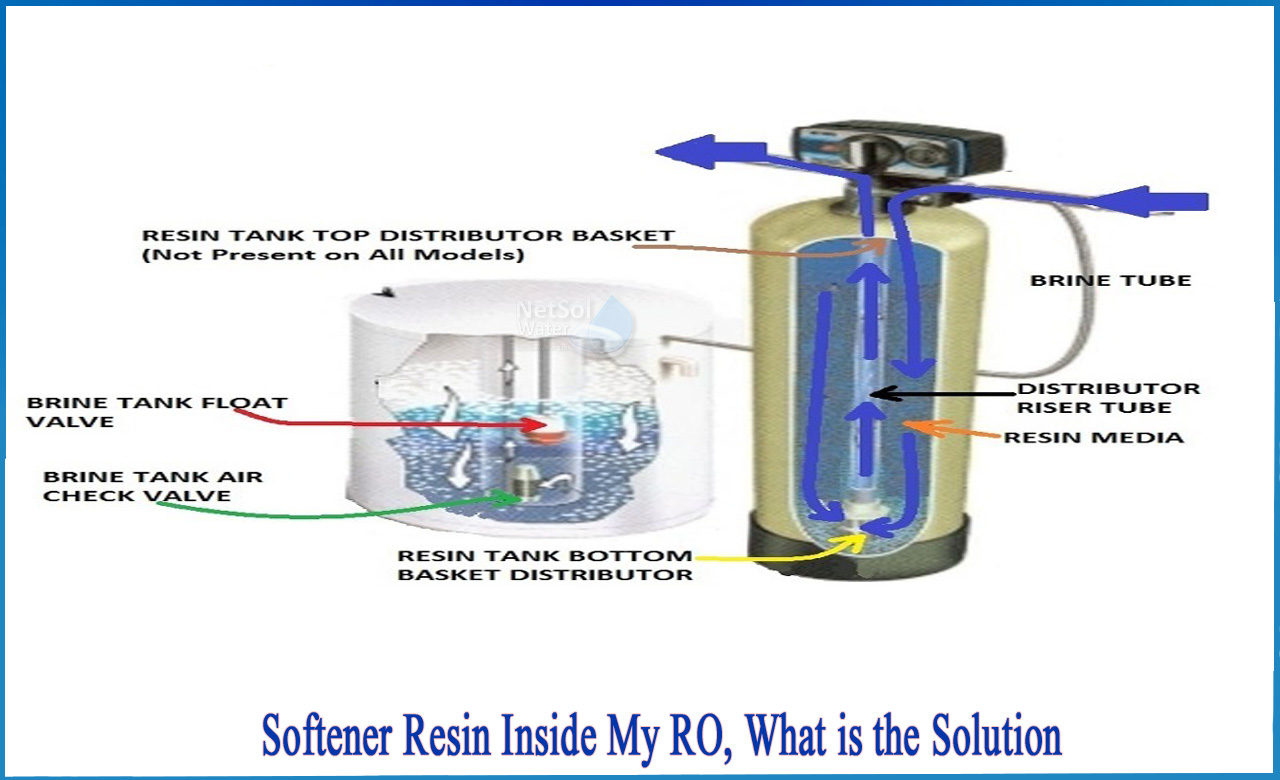 Water Softener Resin Tank
Third, don’t let the brine tank go dry. Salt keeps the regeneration process alive. Think of it like feeding a plant—skip a few weeks, and your resin goes dormant.
Fun Fact: Resin Can Be “Fouled” by Chlorine
If your city water has high chlorine (hello, municipal treatment), it can degrade the resin over time. Some softeners come with a carbon pre-filter specifically to protect the beads. It’s sunscreen for your resin.
Iron is another enemy. A rusty water supply can coat the beads and reduce their efficiency. If your water has visible rust, add a resin cleaner or install an iron filter before the softener.
On the flip side, resin is remarkably tough. It can handle high flow rates, temperature swings, and even accidental backflow. It’s the Chuck Norris of home water systems.

