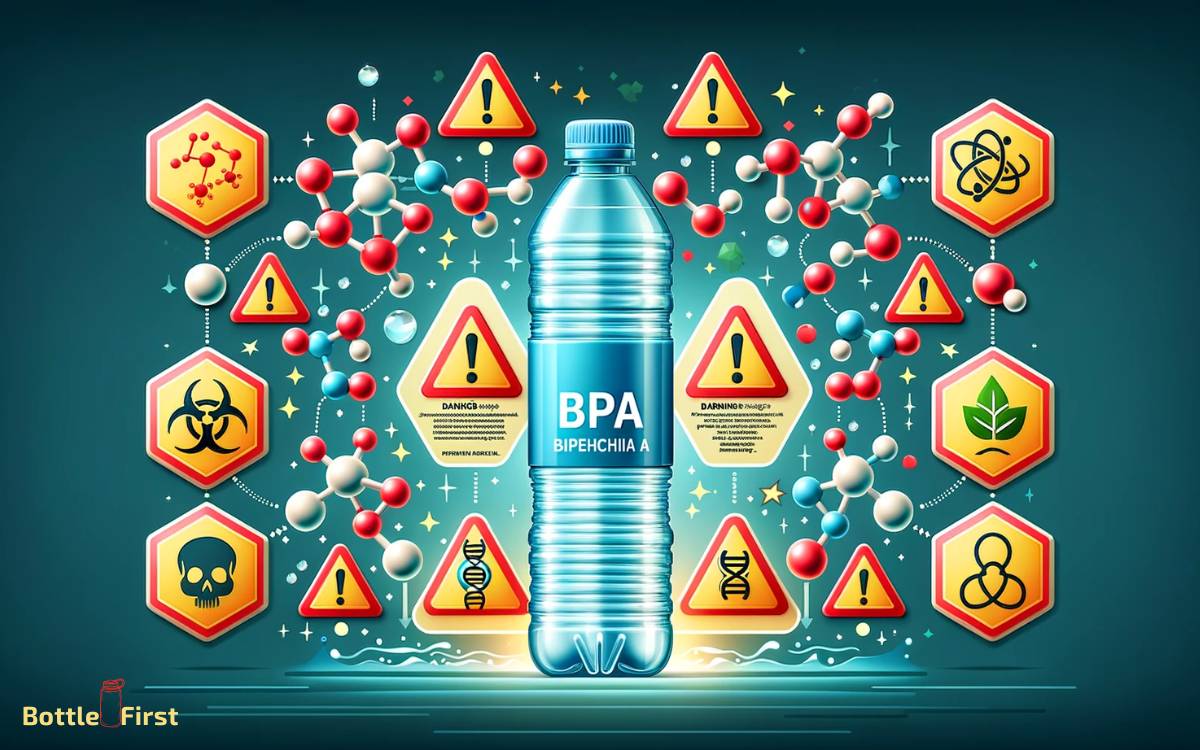
BPA stands for Bisphenol A, a chemical used to make certain types of plastic hard and shatterproof. Think of it as the super-glue that binds polycarbonate plastics together—the stuff used in some water bottles, food containers, and even the lining of your favorite canned soup. It’s been around since the 1960s, basically making modern convenience possible.
Here’s the kicker, and the part that gets scientists all riled up: BPA can leach into your water, especially when the bottle gets hot (like sitting in a sunny car) or worn down. Yes, that crisp, clean water you’re drinking might have a tiny, invisible chemical guest along for the ride. Totally normal, right? Ugh.
Why Do We Care? The Hormone Hijacker Theory
Here’s where things get a little spicy. BPA is what researchers call an endocrine disruptor. Fancy term, right? Basically, it can mimic the hormone estrogen in your body. Picture a naughty key that fits into a lock it’s not supposed to, messing with your body’s normal signaling system. Studies have linked it to everything from reproductive issues to behavioral changes in animal studies.
Now, before you throw all your water bottles into the nearest volcano, take a breath. Most experts agree that the trace amounts found in bottled water are unlikely to cause instant harm to a healthy adult. Your liver is pretty good at processing this stuff. But the long-term, low-dose exposure? That’s the gray area where scientists love to argue and we get confused.
We’re talking about a chemical so pervasive that 93% of Americans have detectable levels in their urine. You are probably part of that statistic. It’s kind of like finding out that your house is built on an ancient Indian burial ground—alarming, but also, what are you really going to do about it right now?
 Are Bottled Water BPA Free? | Splitflask – Splitflask: 2-In-1 Stainless

