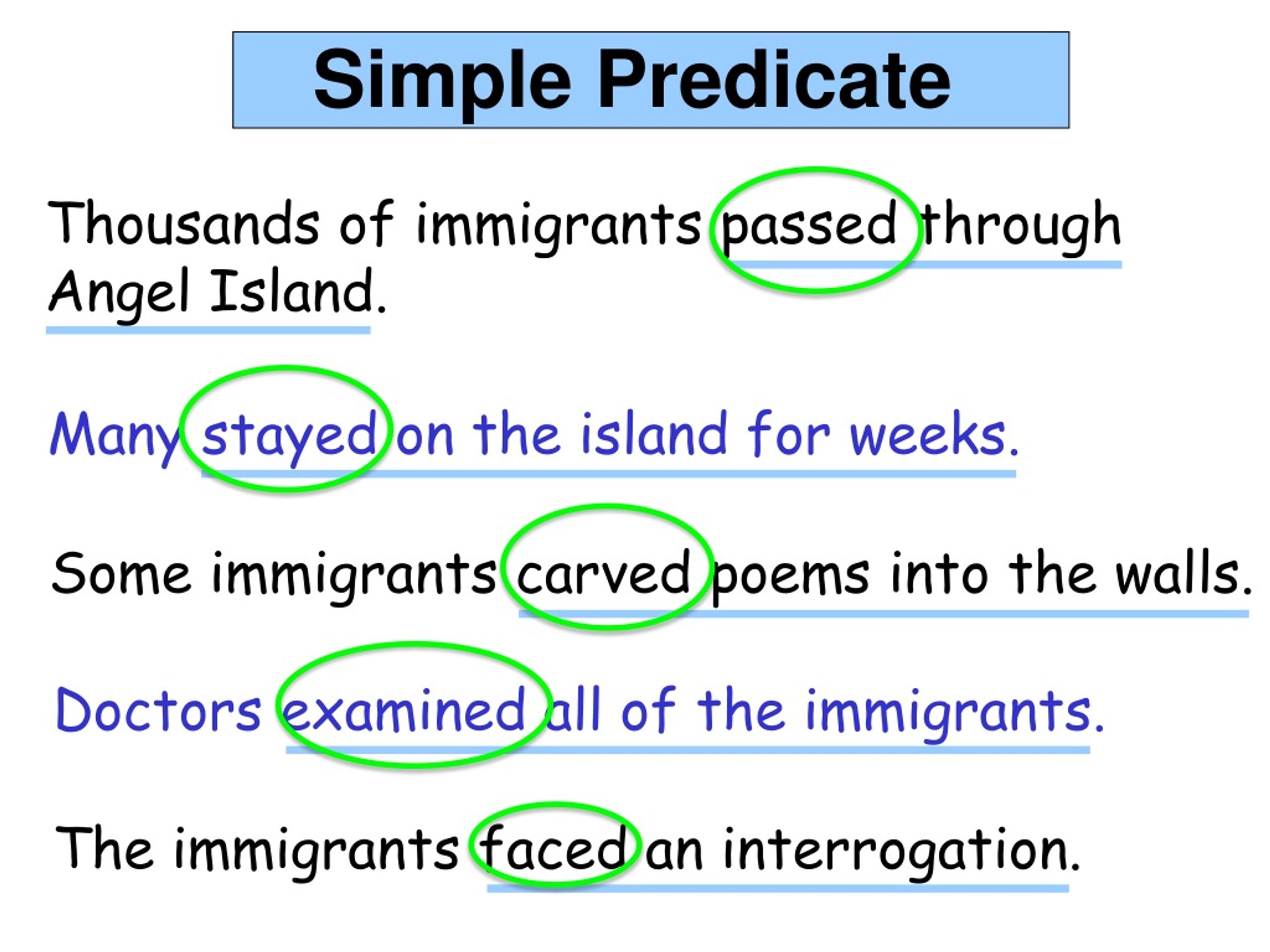
Getting the simple predicate right is like having a sharp knife in your kitchen drawer. It makes every other task easier—from writing a text to crafting a resume. When you strip a sentence down to its predicate, you see if the action is strong or weak. “I am at the gym” uses a state-of-being verb (am), which is fine, but “I lift at the gym” adds punch. Verbs are the muscle of language.
Think of your favorite influencer’s caption: “Living my best life.” The simple predicate is implied—am living. Even in casual posts, we lean on the predicate. It’s the engine of digital communication. Without it, you’re just a vague photo of a smoothie bowl.
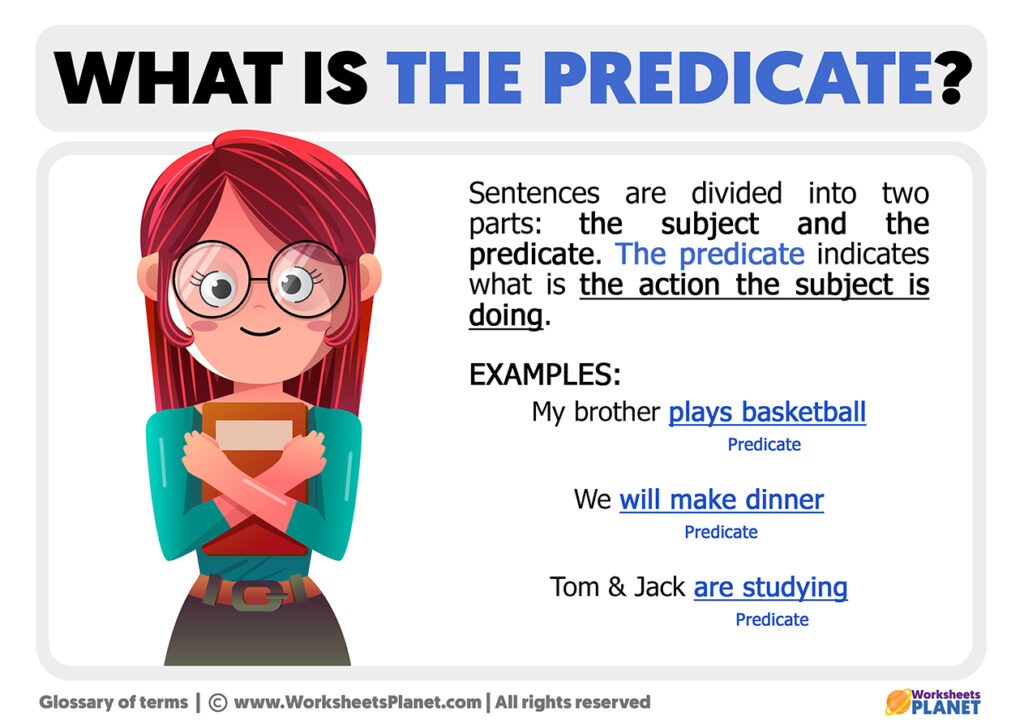 Which Verb Is Predicate at Henry Alfred blog
Quick Cheatsheet for Daily Life
- Find the subject first. Who or what is doing the action? Then ask: What did they do?
- Ignore adjectives, adverbs, and objects for a moment. They’re the sprinkles, not the doughnut.
- Look for time words like is, are, was, were, has, have, will, can, must. These are often helping verbs in your simple predicate.
Try this: next time you read a tweet, highlight the simple predicate in your mind. “She rocks this outfit”—rocks. Quick, right? You’re already a pro.

