
You can buy a home test kit at a big-box store. It’s like a science project for adults: dip a strip, wait 30 seconds, compare colors. Easy? Yes. Accurate? Kind of. They give you a general idea, but they’re not precise for tiny amounts of bad stuff.
Then there’s the professional route. You fill a sterile bottle, mail it to a certified lab, and wait for a report. It’s more expensive (think $30 to $200), but you get a detailed breakdown. They’ll tell you things like “your water has 0.4 ppm of copper” and whether that’s a problem. If you’re on a well or have old pipes, this is the smart play.
When should you freak out?
Don’t panic over every tiny number. Some minerals—like calcium—are totally fine and even good for you. But if your test shows lead, arsenic, or total coliform bacteria, that’s a red flag. Those are the party crashers you don’t invite back. Also, if your water has a pH below 6.5 (acidic), it can corrode pipes. That’s when you call a pro, not just your friend with a Brita filter.
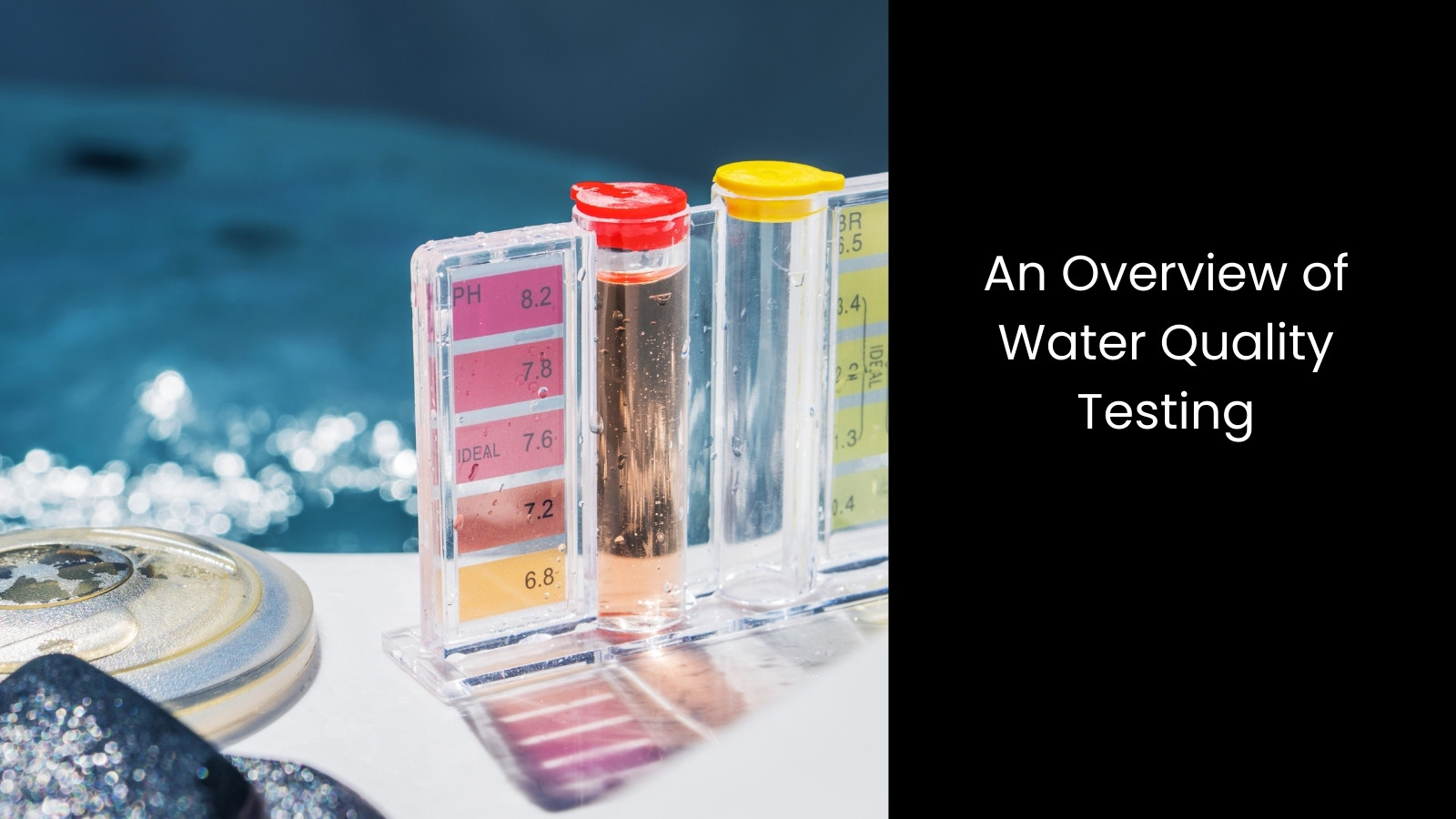 What are the Three Types of Water Quality Testing? | Tigernix Australia
But here’s a little secret: tap water in most U.S. cities is safe. It’s tested regularly by the municipality. The main reason to test your own tap? If you live in an older home or have a private well. Or if you just bought a fancy water filter and want to see if it’s actually working—like a science victory lap.

