Water is a universal solvent. It dissolves almost everything. That’s why it’s so good at picking up stories from the ground.
Rain falls through air. It grabs dust and pollution. It hits soil, stealing bits of rock, fertilizer, and old dinosaur bones (yes, really—but dissolved into minerals).
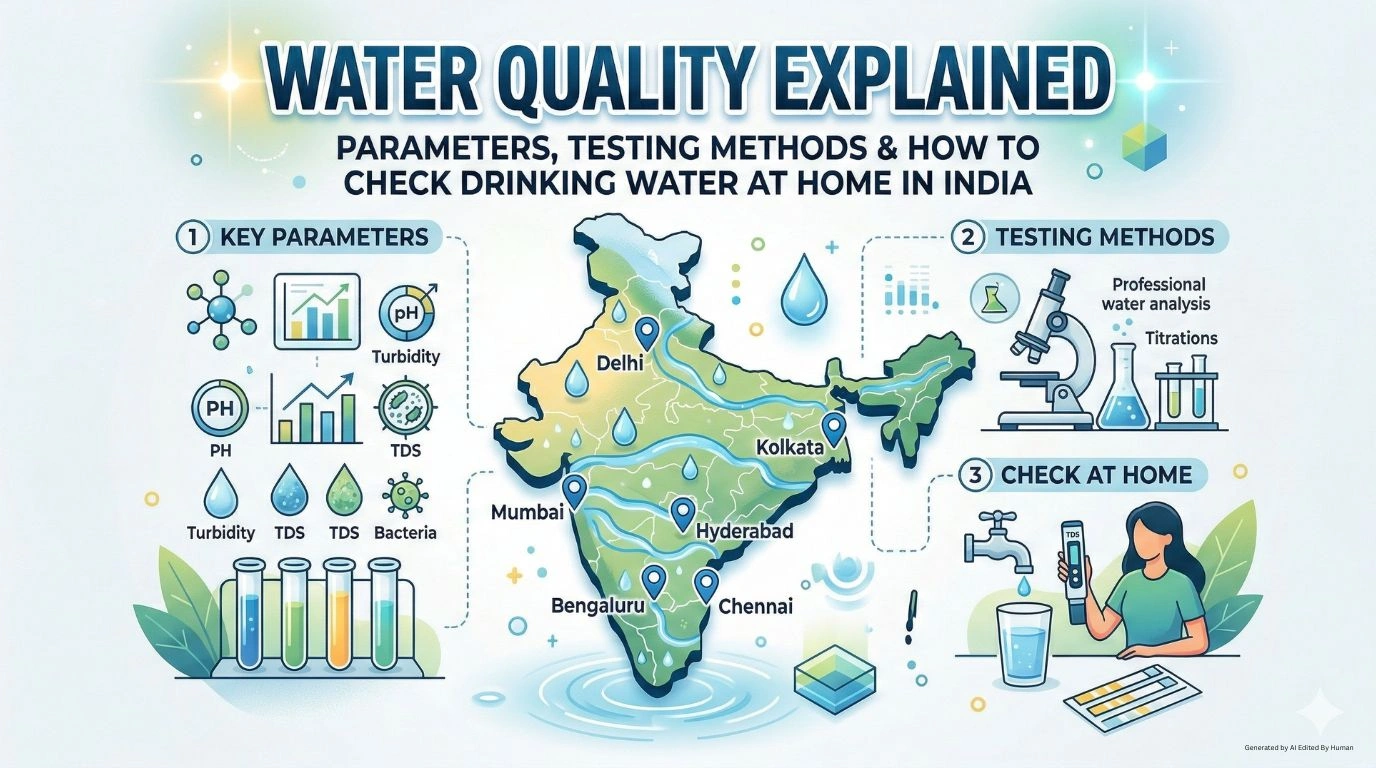 Water Quality Explained: Parameters, Testing Methods & Home Testing
A single raindrop might contain microplastics from your fleece jacket. It could carry traces of caffeine from someone’s morning coffee. Your water is basically a recycled biography of the planet.
Here’s a quirky fact: pure water doesn’t exist in nature. True H2O? That’s a lab experiment. Real water always has fringe benefits—like trace amounts of gold or even uranium. Don’t panic. It’s microscopic.
Fancy water drinkers love total dissolved solids (TDS). Bottled water companies brag about their low TDS. But guess what? Zero TDS water tastes flat. Lifeless. Like kissing a robot.
Your tongue actually prefers a little mineral grit. That’s why we crave spring water. It has personality. It’s water with swagger.
Funky Stuff That Slips In
Let’s talk about turbidity. That’s a fancy word for muddy water. It happens when tiny particles float around. Think of it as a blizzard in a glass.
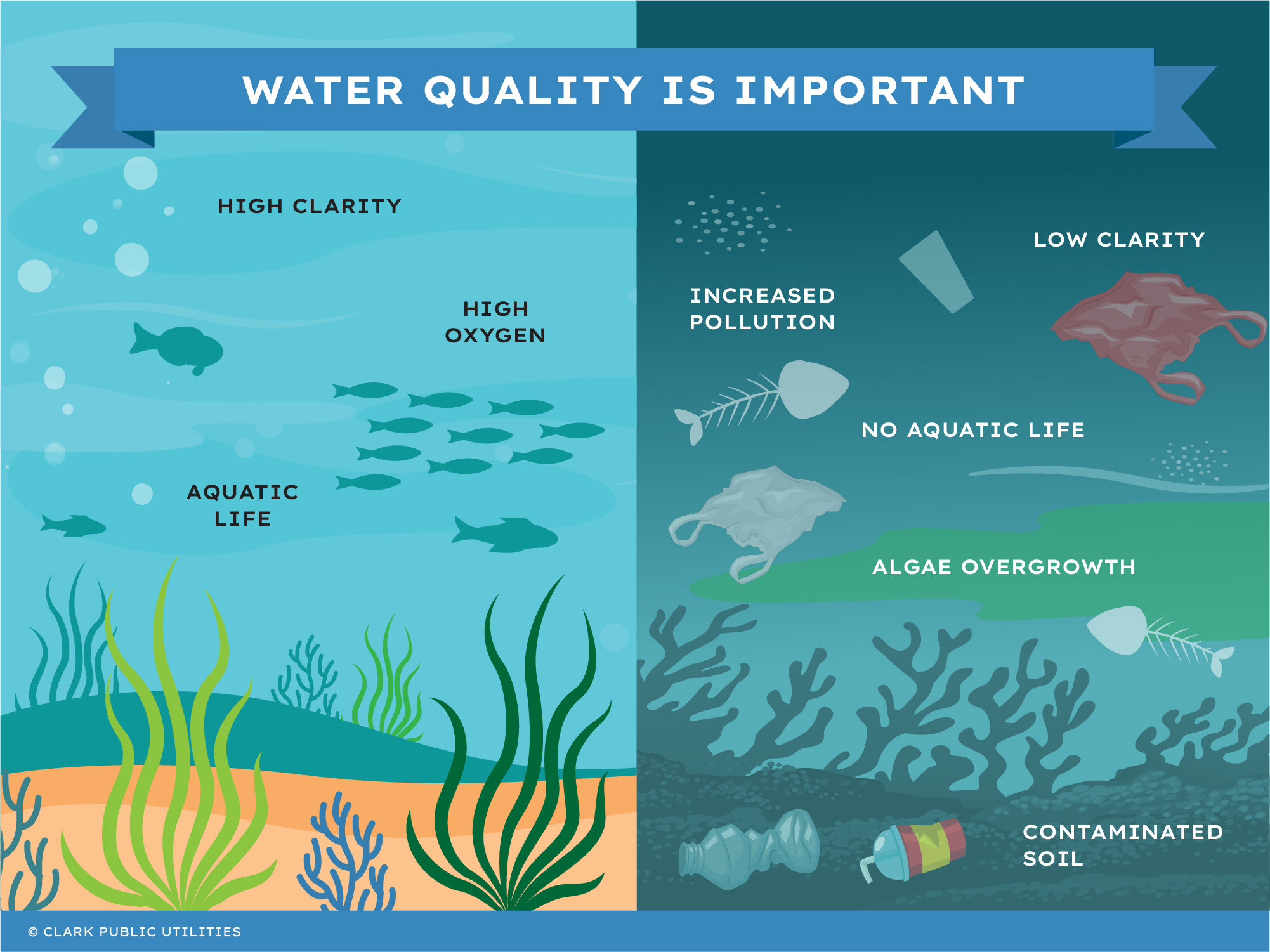
High turbidity is bad for fish. It blocks sunlight. It also hides bacteria. Clear water is cool, but too clear might mean it’s stripped of life.
Then there are volatile organic compounds (VOCs). They smell like nail polish remover or gasoline. They evaporate quickly. But they stick around in your glass long enough to freak you out.
Ever smell gasoline near a river? That’s a red flag. But a weird, earthy smell? That’s just geosmin—a natural compound from dirt. Like the smell after rain. Totally harmless.
Dissolved oxygen keeps fish alive. Cold water holds more oxygen than warm water. That’s why fish gasp in hot, stagnant ponds. They’re basically underwater marathoners running out of breath.