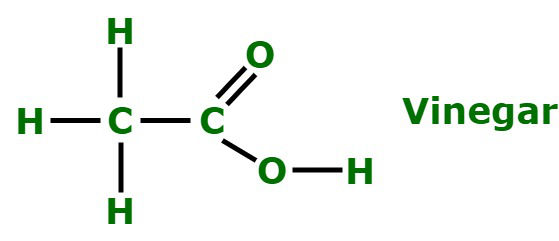
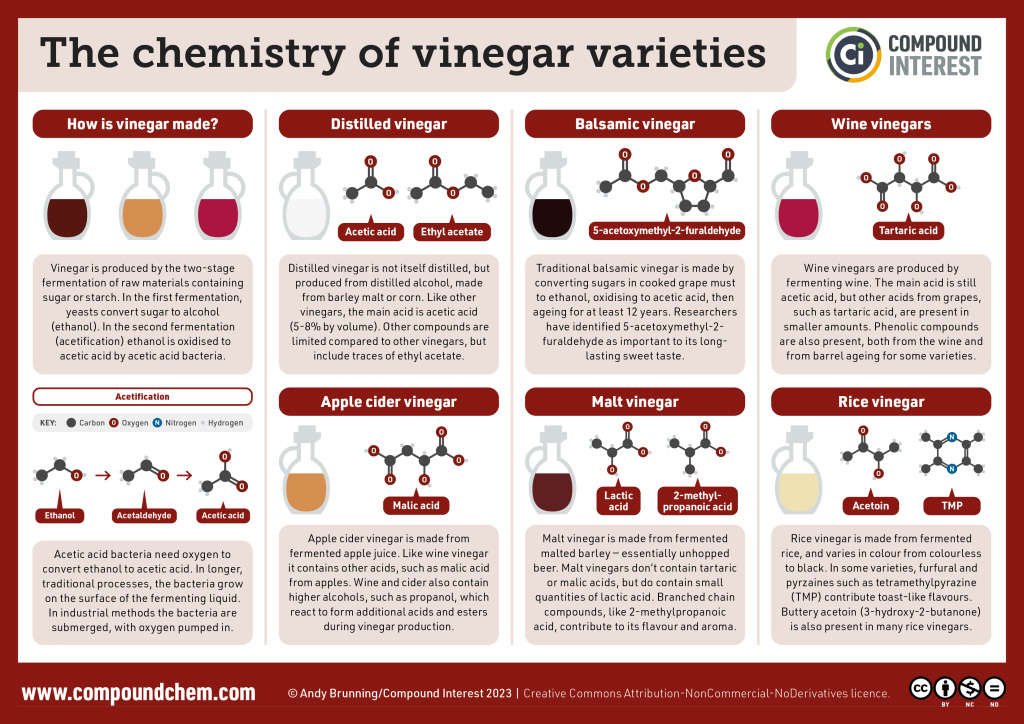
Vinegar comes from something that already had sugar in it, like apples, grapes, or rice. First, yeast eats the sugar and poops out alcohol—that’s how you get wine or cider. Then, another bacteria called Acetobacter shows up and says, “Hold my beer,” and turns that alcohol into acetic acid.
So, in a weird way, vinegar is just alcohol’s responsible older sibling. The alcohol had its fun, and now vinegar is here to clean your countertops and make your pickles last forever. It’s a glow-up, honestly.
The Secret Ingredients You Didn’t Know Were There
Besides water and acetic acid, your average bottle of distilled white vinegar has trace amounts of vitamins and minerals. We’re talking tiny, almost mythical levels of potassium, calcium, and magnesium. But let’s be real—you’re not drinking vinegar for the vitamins. You’re drinking it to feel alive and slightly terrified at the same time.
If you’re using apple cider vinegar, you get bonus elements like pectin (a fiber) and a little bit of antioxidants. Some people swear it cures everything from hiccups to bad luck. Does it? Eh, probably not, but it makes your salad taste amazing, and that’s good enough.
And then there’s the vinegar mother. That’s the weird, slimy blob you sometimes see floating in unpasteurized vinegar. It looks gross, but it’s actually a colony of friendly bacteria. Think of it as the Jell-O monster of the fermentation world—harmless and kind of cool once you get over the ick factor.
 25.1 Carboxylic Acids – Structure and Naming – Organic and Biochemistry

