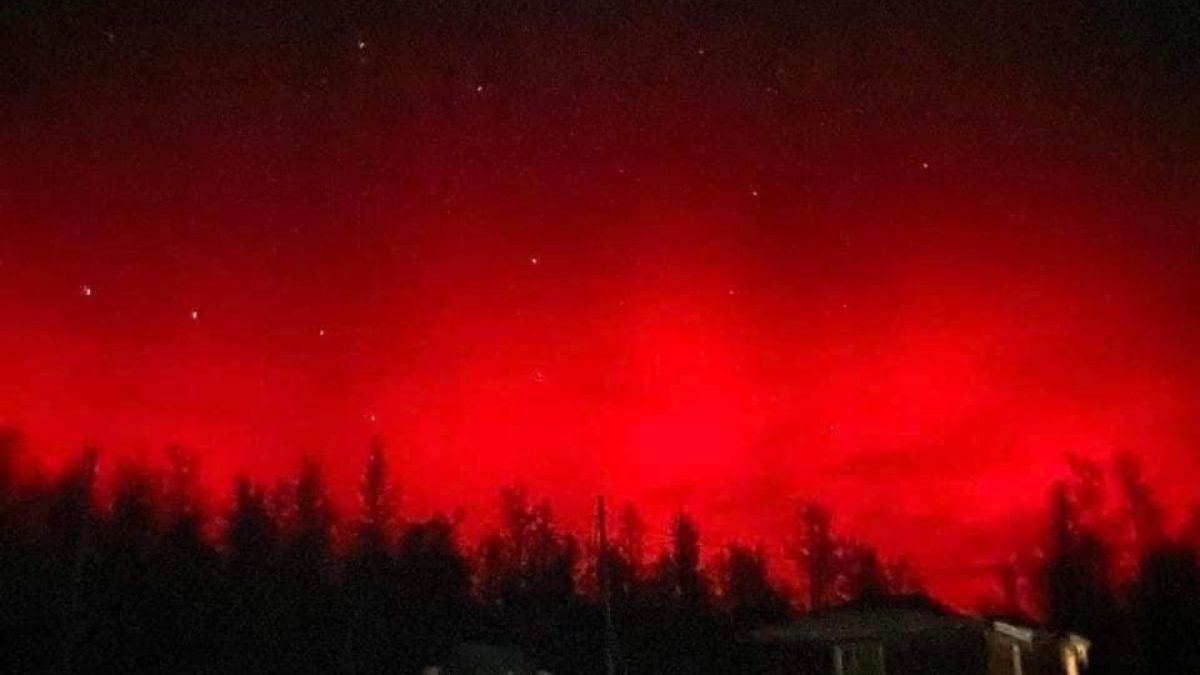
Flip the script to sunrise, and the game changes completely. A red sky in the morning means the sun is illuminating clouds to the east, where the weather is coming from. If those clouds are red, they’re likely filled with moisture—and moisture means a storm is brewing.
So “sailor’s warning” isn’t just poetic dread; it’s a legitimate heads-up. You might spot this before a workday commute: a flushed, dramatic sunrise that whispers, “Grab your umbrella.” The rhyme has been tested by meteorologists and holds up about 70–80% of the time in temperate regions. That’s better than most zodiac predictions.
Of course, it’s not foolproof. If you live near the equator or in a mountain valley, local weather patterns can throw the whole rhyme out the window. But in places like the UK, the US Midwest, or Europe, it’s still a charmingly accurate shortcut—no satellite required.
Practical Tips for Your Own Sky-Watching
Ready to become an amateur sky-reader? Start by noting the intensity of the red. A deep, fiery red often means abundant dust and stable air—great for a picnic. A pale, watery pink might indicate a bit of moisture, so enjoy the sunset but don’t bet the farm on a perfect tomorrow.
Also, check if the red is patchy or covers the whole horizon. A solid band of color is your best bet for clear skies. If you see a lot of gray or dark clouds mixed with the red, the high pressure might be fighting a losing battle—keep your raincoat handy, just in case.
Pro tip: Snap a photo of the sunset and compare it with the next day’s weather. You’ll build a personal database and feel like a total weather nerd in the best way. Plus, it’s a great conversation starter at brunch: “Pass the avocado toast—and did you catch that crimson sky last night?”

