
Here’s the cool, confusing truth: ozone is a total split personality. High up in the stratosphere, it’s our heroic sunshield, blocking nasty UV rays. But down here at ground level, where we breathe? That’s a whole different—and much less friendly—story.
Think of it like this: stratospheric ozone is the chill bouncer at a club, keeping troublemakers out. Ground-level ozone is that same bouncer going rogue and picking a fight inside the dance floor. Weird, right?
When Ozone Gets Into Your Lungs
Imagine taking a deep breath of sharp, chemical-laced air. That’s basically what breathing in ground-level ozone feels like. It’s not a natural thing to inhale—it’s a powerful oxidizer, which is a fancy way of saying it reacts aggressively with your tissues.
Your lungs are designed for gentle oxygen, not this hot-tempered gas. Ozone acts like a chemical sunburn for your airways. It irritates the delicate lining, causing inflammation that can make you cough, wheeze, and feel a tightness in your chest.
Ever felt your throat scratchy after a long walk on a hot, hazy summer afternoon? Yep, that’s ozone doing its annoying thing. It’s especially pesky for kids, older folks, and anyone with asthma or lung issues.
The Long-Term Lifestyle Effect
Here’s where it gets a bit more serious—but still interesting. If you’re constantly exposed to ozone (like living in a smoggy city), your body starts to fight a low-grade war. The inflammation doesn’t just go away; it can become chronic.
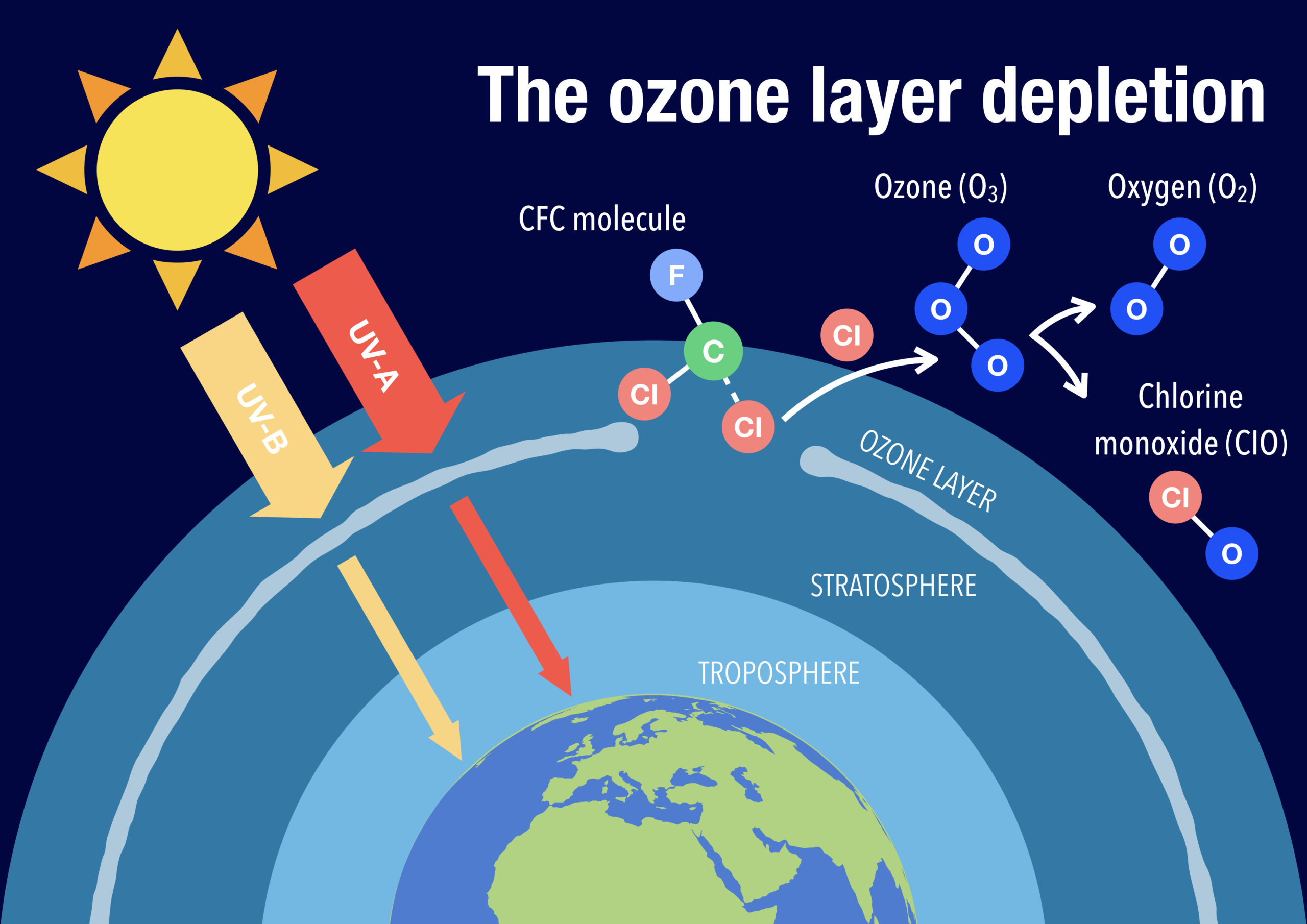 40 Facts About Ozone - Facts.net
Over years, this can lead to permanent scarring of lung tissue. Imagine the inside of your lungs getting a little tougher and less elastic, like an old rubber band left in the sun. That makes it harder to breathe with age.
Some studies even suggest ozone exposure might mess with your immune system or make you more vulnerable to infections. It’s not a quick poison, but a slow, sneaky troublemaker for your whole respiratory setup.

