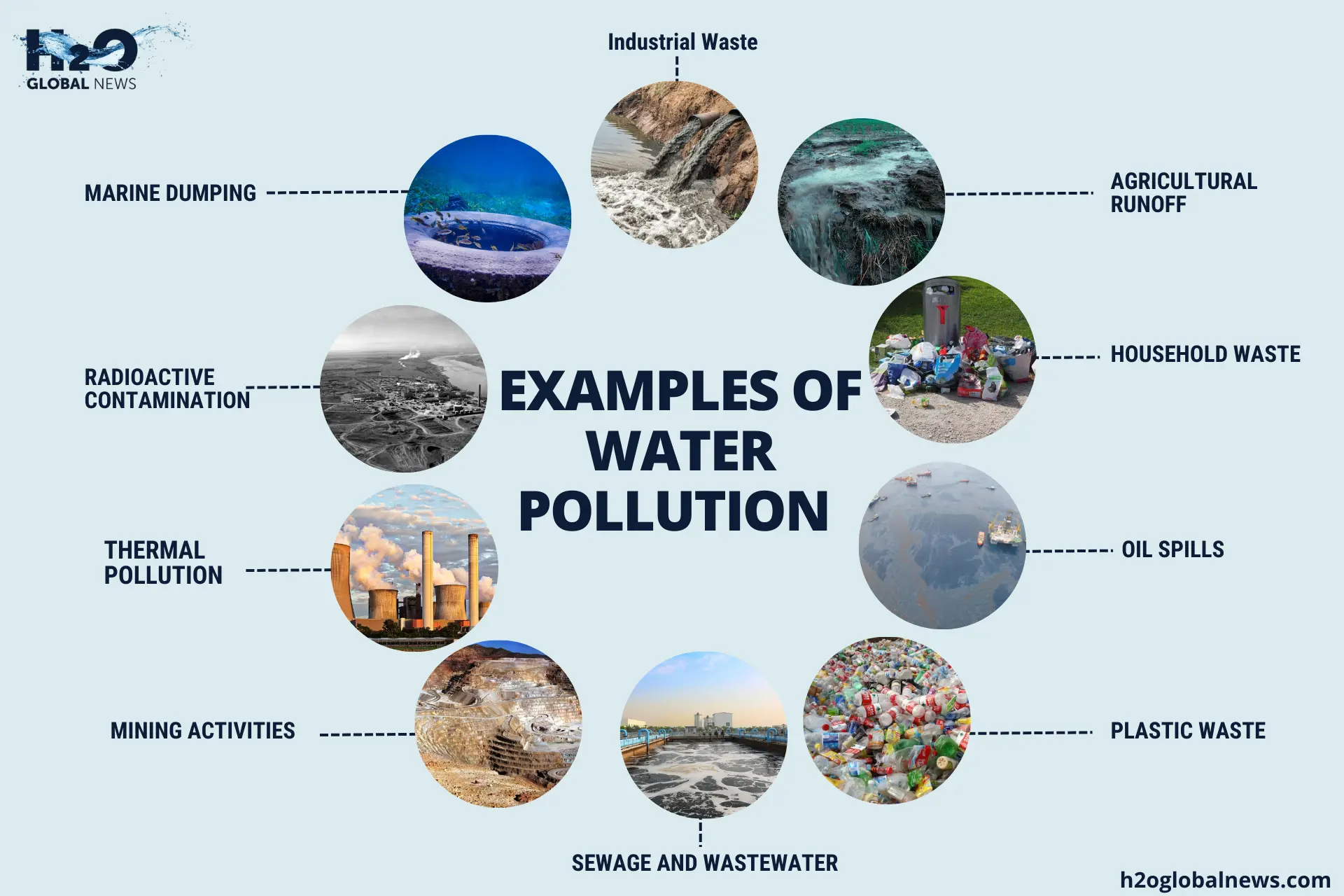
Fact 1: Ocean garbage patches are real, and they’re not islands you can visit. The Great Pacific Garbage Patch is mostly tiny plastic particles suspended in the water column. You could sail right through it and barely see a thing—but it’s the size of Texas. Creepy, right?
Fact 2: Agricultural runoff is worse than industrial waste in many places. Overuse of fertilizers and pesticides creates “dead zones” in coastal waters, like in the Gulf of Mexico. No oxygen, no fish. Just a silent, green soup of algae.
Fact 3: Your laundry is a pollution factory. Every time you wash a polyester fleece, hundreds of thousands of microfibers slither down the drain. They’re too small for water treatment plants to catch, so they head straight to the ocean. Your cozy hoodie is shedding plastic.
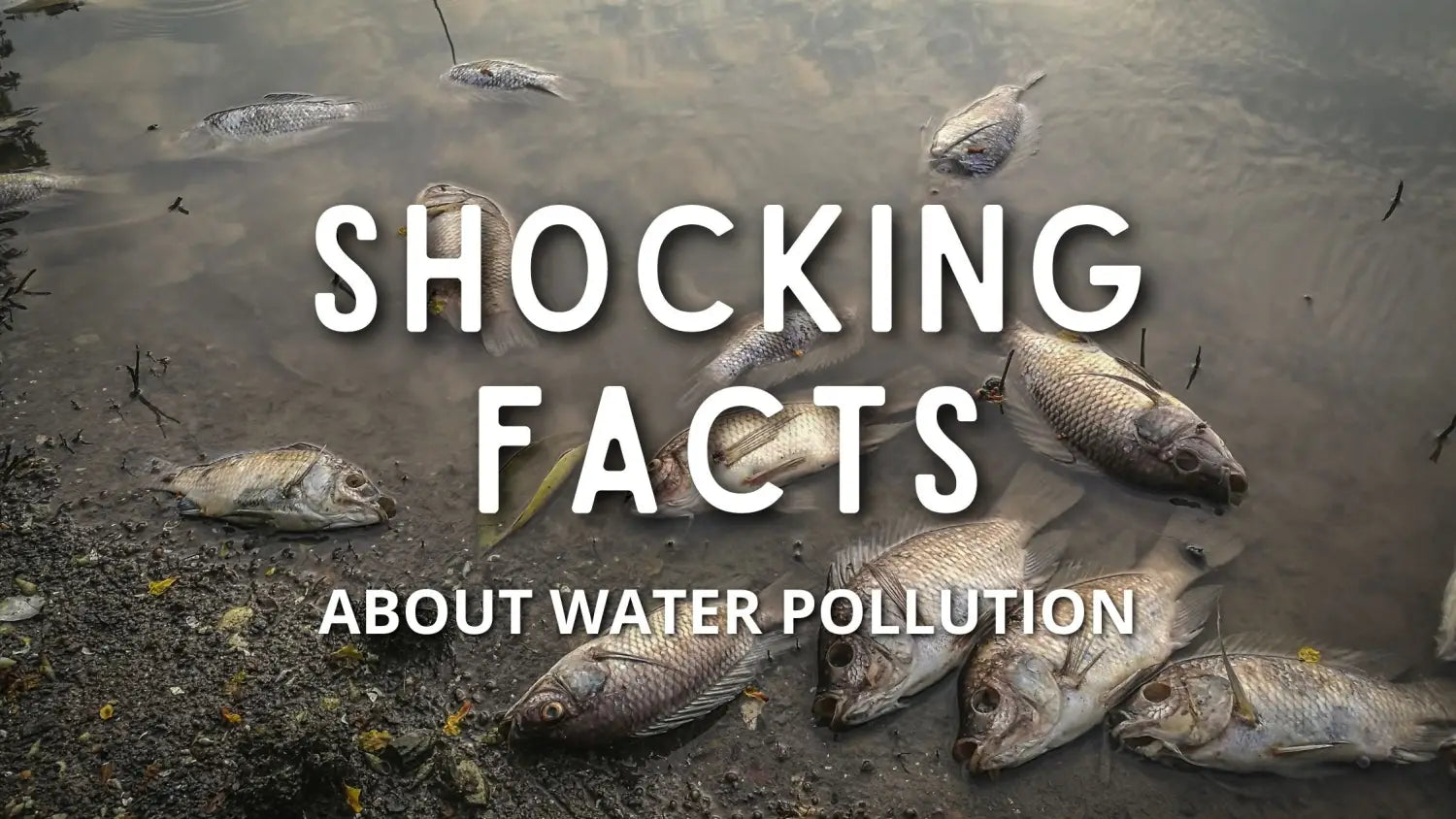 Shocking Facts about Water Pollution
Fact 4: Rain isn’t pure anymore. In some regions, rainwater contains levels of PFAS (forever chemicals) that exceed safe drinking standards. The sky, apparently, is leaking. That “fresh” rain on your skin? It’s been through a chemical car wash.
Fact 5: One liter of oil can contaminate a million liters of water. That’s why a single spill from a car—or a careless pour of cooking oil down the sink—has consequences far beyond your drain. Think of it as one greasy domino that knocks down a clean ecosystem.
Practical Tips That Don’t Require a PhD
Stop buying bottled water when you can avoid it. Invest in a stainless steel or glass bottle and a solid filter for your tap. It’s cheaper, less wasteful, and you get to feel like a planet-saving superhero every time you refill. Bonus: your water won’t taste like a plastic factory.
Wash your synthetics less often, and when you do, use a Guppyfriend bag or a washing machine filter designed to catch microfibers. Also, skip the “antibacterial” soaps—they contain triclosan, which is a nasty pollutant. Your hands don’t need a chemical army; they just need soap and water.
Check your local water quality report online. In the U.S., your community’s annual Consumer Confidence Report is a public record. It tells you exactly what’s in your tap water. Knowledge is power—and in this case, it’s also prevention.

