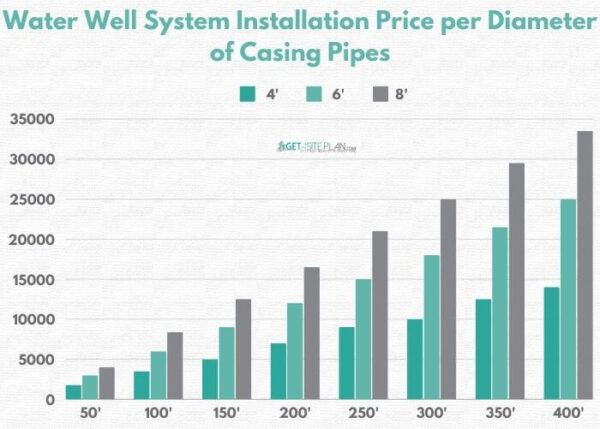
First, let’s bust a myth: you’re not paying for a hole in the ground. You’re paying for freedom. Freedom from water bills, from city restrictions, from that panicked feeling when a summer drought hits and your lawn looks like a sad crunchy carpet. In East Texas, the average cost to drill a well runs somewhere between $30 and $60 per foot. That includes the drilling pipe, casing, and a basic pump setup.
Why the big range? Because the ground here isn’t a boring pancake. You might hit clay, sand, gravel, or that stubborn Cretaceous-era limestone that makes drillers sigh and reach for a second cup of coffee. Think of it like digging for buried treasure, except the treasure is clean drinking water and the shovel is a massive rig that costs more than your first car.
Let me paint a picture for you
Imagine your neighbor, Bob, who drilled a well last spring. He paid $45 per foot for a 200-foot well in Lufkin. That’s nine grand. But now Bob waters his vegetable garden all summer without a second thought. His tomatoes are the envy of the block. Meanwhile, you’re still staring at your water bill, wondering why a fifteen-minute shower costs as much as a movie ticket.
Here’s the kicker: in some parts of East Texas, you might only need to drill 80 to 150 feet to hit a solid aquifer. That’s around $3,600 to $9,000 for a well that could serve your home for decades. Compare that to the cumulative cost of city water over ten years—it’s like choosing between buying a good pair of boots or renting the same sneakers over and over until they fall apart.

