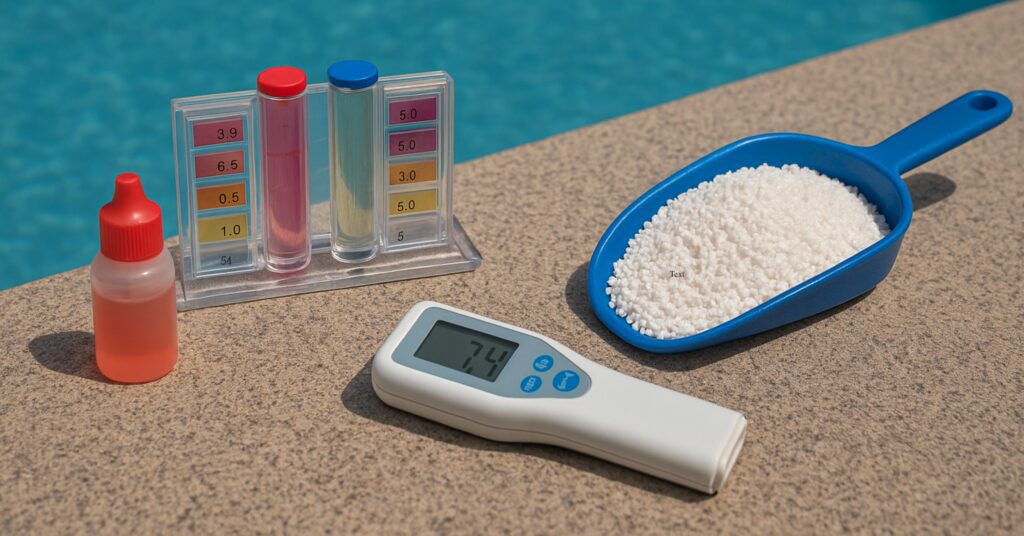
Lexington water isn't exactly bad. But it's a character. It’s hard. Like, really hard. We’re talking limestone bedrock levels of hard. That white crust on your faucet? That's mineral buildup throwing a tiny, annoying party. The first step is always a water test. Forget guessing. Guessing is for picking lottery numbers, not for your health. Grab a simple kit from the hardware store or call a local pro. It’s a peek behind the curtain of your home’s most-used utility.
You’ll test for pH, hardness, chlorine, and maybe iron. It’s like a blood test for your pipes. High iron? Your laundry looks rusty. Low pH? That’s acidic, and it will eat your copper pipes like candy. A test shows you the enemy. Once you see the numbers, you can fight back. Knowledge is power, and in this case, clean tap water.
Chemical Balancing: Playing Mad Scientist (The Safe Way)
Okay, you have the test results. Your water is a 9 on the hardness scale. Epic. Now what? You don’t just pour chemicals in and hope for the best. That's a rookie move. You need to balance things. This is where you become a tiny, responsible chemist. For hard water, a water softener is your best friend. It swaps the calcium and magnesium for sodium. Suddenly, your skin feels slippery, and your dishes don't look like they’ve been in a blizzard of spots.
What about pH? If it’s low (acidic), you need a neutralizer. Usually, it’s a tank with calcite or corosex. Think of it as a Tums for your water. It raises the pH to a safe, boring 7.0. If your water is smelly (that rotten egg sulfur thing), that’s a different beast. You might need aeration or a special filter. The point is, don’t just dump stuff in. Test first, treat second. It’s the golden rule of plumbing chemistry.

