
Just when you think it’s over, there’s a third act. From July to September, weeds like nettle and mugwort release their own pollen. It’s like a horror movie sequel—just when you thought it was safe to go outside.
This "weed season" is less intense than grass, but it’s sneaky. It creeps up on you after summer holidays, when you’re feeling brave. Mugwort pollen is especially famous for causing delayed reactions—your nose won’t even thank you until days later.
Fun fact: Ragweed, which is rare in the UK but becoming more common, can trigger hayfever all the way into October. So it’s a pollen party that almost never ends.
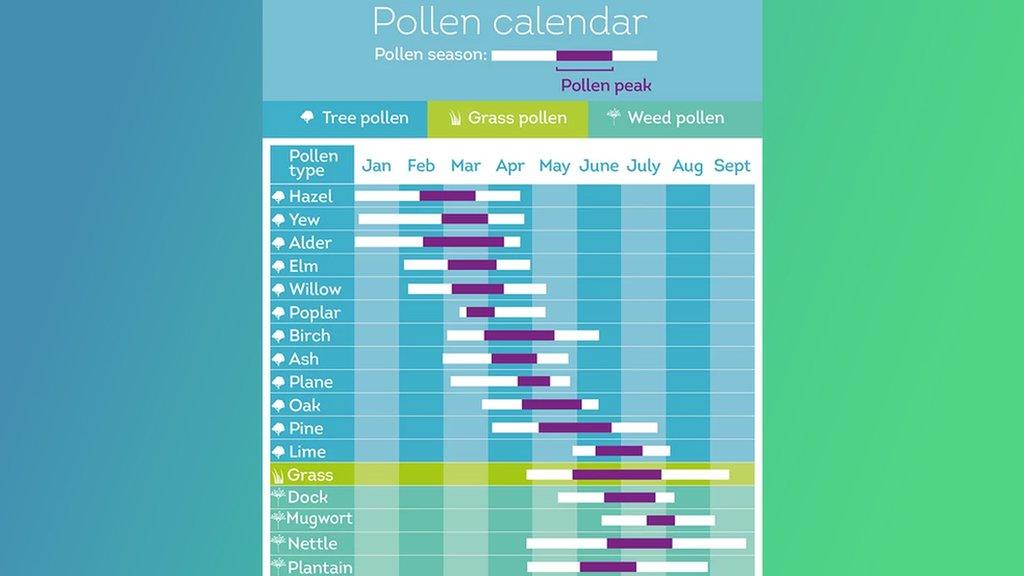 Hay fever: Tree 'pollen bomb' heading to UK - BBC Newsround
How to Outsmart the Calendar
The simplest trick is to check the daily pollen count. It’s like a weather report for your nose. High counts usually happen on warm, dry, breezy days—especially in the morning and late afternoon.
If you’re truly curious, you can even track local flowering times. Apps and websites tell you exactly when birch or grass is peaking in your area. It’s like being a pollen detective, which sounds ridiculous but is genuinely helpful.
Another cool hack: shower before bed. Pollen sticks to your hair and clothes like glitter at a party, and you don’t want it in your bed. Trust me, a pollen-free pillow is a beautiful thing.

