
Cheese is basically fat in its most delicious form. And your stomach has a love-hate relationship with fatty foods. When you eat a lot of cheese, your body goes, “Whoa, I need more bile and enzymes to break this down!”
That process can take forever—hours, even. Meanwhile, your stomach stretches, gurgles, and feels like it’s hosting a tiny rock concert. The result? A sore, bloated feeling that makes you regret your life choices.
Here’s the thing: fat also relaxes the valve between your stomach and esophagus. So you might get heartburn or acid reflux on top of the cramps. Fun times, right?
Next time you pair cheese with a big glass of wine or a heavy pasta dish, you’re basically piling fat on fat. Your belly is not amused. It’s like asking a toddler to do calculus—possible, but with plenty of whining.
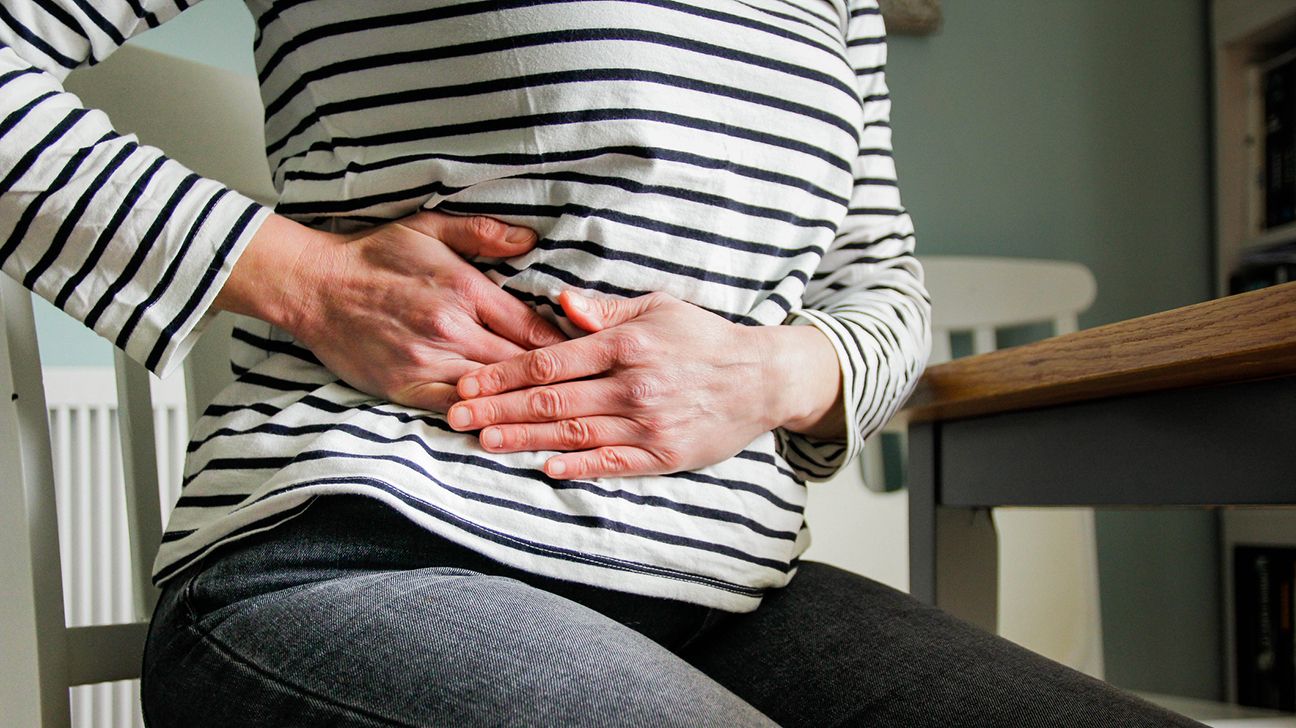 Upper Abdominal Bloating After Eating
Don’t Forget the Histamines
Hold up—there’s more? Yes, we’re going full detective mode. Some cheeses, especially aged ones like blue cheese, brie, and aged cheddar, are high in histamines. These are natural compounds that can trigger inflammation in some people.
If you’re sensitive to histamines, you might get a sore stomach, headaches, or even a runny nose after eating them. It’s like your body mistakes a delicious cheese plate for an allergenic invader. Rude, right?
So if you feel bloated and grumpy after a funky cheese but fine with mild ones (like fresh mozzarella or cream cheese), histamines might be your culprit. Your sensitivity is basically saying, “I’m fancy, but I’m also a diva.”

