
Here’s a little trivia for your next dinner party. Sodium thiosulfate used to be a core ingredient in photographic fixer. Before digital cameras, photographers would use it to remove unexposed silver halide from film, “fixing” the image permanently. So next time you dechlorinate your aquarium, you’re using the same chemistry that developed your grandparents’ wedding photos. Talk about a glow-up.
Another fun tidbit: it’s also used medically to treat cyanide poisoning. Yes, really. That same bottle of white powder that saves your goldfish can theoretically save your life in a very specific, dramatic emergency. Let’s hope you never need that application.
Is It Really That Effective?
Science says yes. When sodium thiosulfate meets chloramine, the reaction is nearly instantaneous. Studies show that a 4:1 ratio of thiosulfate to chloramine by weight completely neutralizes the compound within seconds. That’s faster than you can say “I need to call a plumber.” The only catch? It doesn’t remove the ammonia byproduct, which is fine for showering but can be an issue for sensitive fish. For most home uses, it’s a total win.
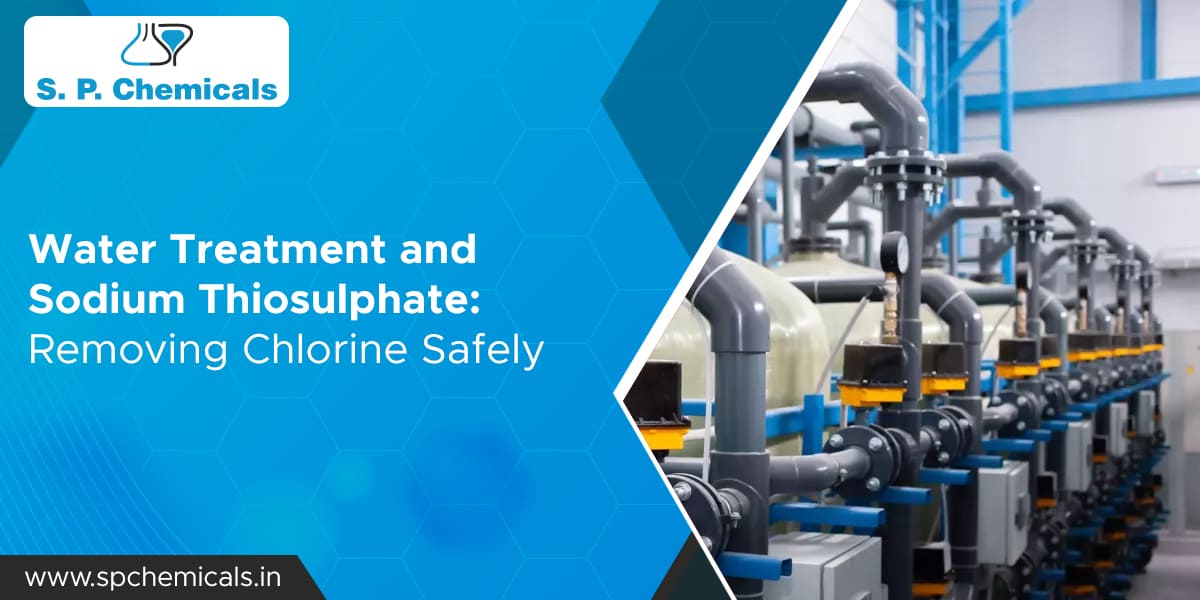 Water Treatment and Sodium Thiosulphate Removing Chlorine Safely
But—and here’s the gentle panel of reality—sodium thiosulfate doesn’t filter out heavy metals, pesticides, or microplastics. It’s a targeted tool, not a magic wand. If your water smells like a swimming pool, this will tame the chlorine smell. If it tastes like dirt, you need a different solution.

