This tradition isn’t just British. Many countries have their own postal magic. In Canada, Santa gets his own postcode at the North Pole (H0H 0H0, naturally). In Germany, you can write to “Weihnachtsmann” in Himmelpfort. But the UK’s version has a distinct, understated charm that feels very Royal Mail.
There’s also a fun fact buried here: the Royal Mail has been running this service since the 1960s. That’s over sixty years of managing a global correspondence with a single, non-corporate entity. They even have a team of volunteers who help reply to anything that arrives in foreign languages.
It’s a quiet act of national kindness. No one is profiting from it. It’s just a bunch of postal workers knowing that for a few weeks a year, delivering a letter to a fictional fat man is the most important job they have.
Practical Tips for Modern Senders
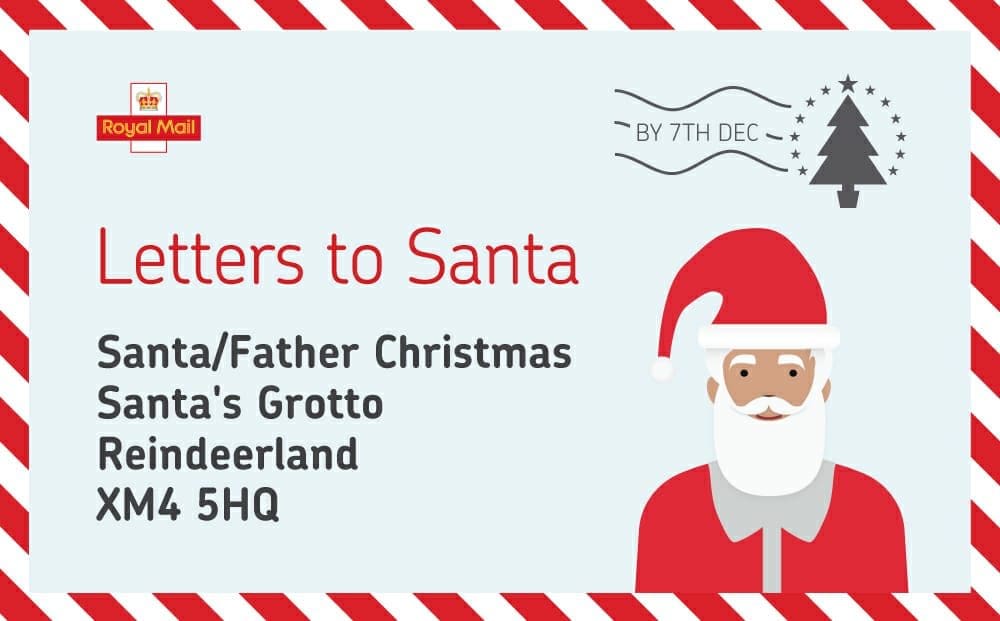
Deadline pressure: The Royal Mail suggests sending your letter by the first week of December to guarantee a reply before Christmas. The elves have a lot of mail, and they like to answer each one personally. If you send it too late, Santa might be too busy testing his sleigh’s brakes.
Don’t send valuables. Tempting as it is to include a cookie recipe or a valuable stamp collection, the post office advises against sending cash or precious items. Santa definitely doesn’t accept bribes, and you don’t want your Granny’s earring lost in Reindeerland.
 Kris Kringle: Everything you wanted to know - Christmas.co.uk
Make it a family ritual. Sit down with hot chocolate, bring out the glitter glue, and write the letter together. The act of making the envelope—addressing it to Santa’s Grotto—is often more magical than the reply itself. It slows down the season.
One last practical tip: use a legible return address. I’ve seen letters returned marked “return to sender—no such name at this location.” It’s heartbreaking. Write clearly, with a smart pen, and don’t forget the postcode on your own house.