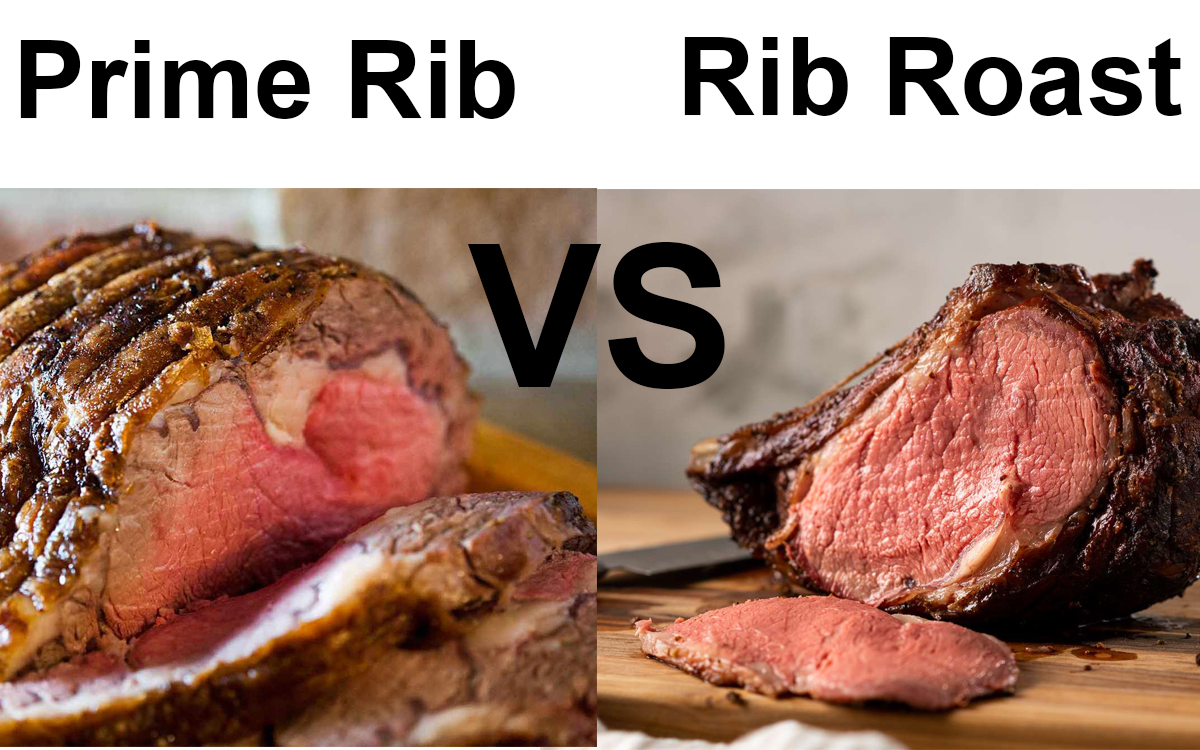
A rib roast is defined by its cap of fat—that buttery, marbled layer that bastes the meat as it cooks. Without it, you’re just eating a sad, dry steak. Don’t be that person who trims the fat off. You want a thick, creamy stripe running along the top like a meaty crown.
This is also why a rib roast is so forgiving. That fat insulates the muscle, giving you a pink, tender center while the outside gets a crispy, salt-crusted crust. It’s practically impossible to overcook if you use a thermometer. Seriously, buy a meat thermometer. Your guests will think you’re a wizard.
The "Bone-In vs. Boneless" Debate
Bone-in is the classic choice. The bones conduct heat and add flavor, plus they make for a dramatic carving moment. Boneless is easier to slice and serves up cleaner portions. I’m team bone-in, because I like to gnaw on the leftover ribs like a happy caveman. No judgment if you go boneless.
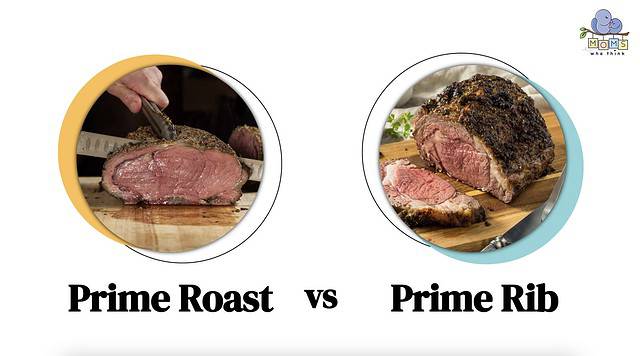 Prime Roast vs. Prime Rib: Differences Between Rib Roast & Prime Rib
One pro tip: ask your butcher to french the bones—that means scraping the meat off the tips so they look like little bone handles. It’s pure theater for your table. Your Instagram will thank you.

