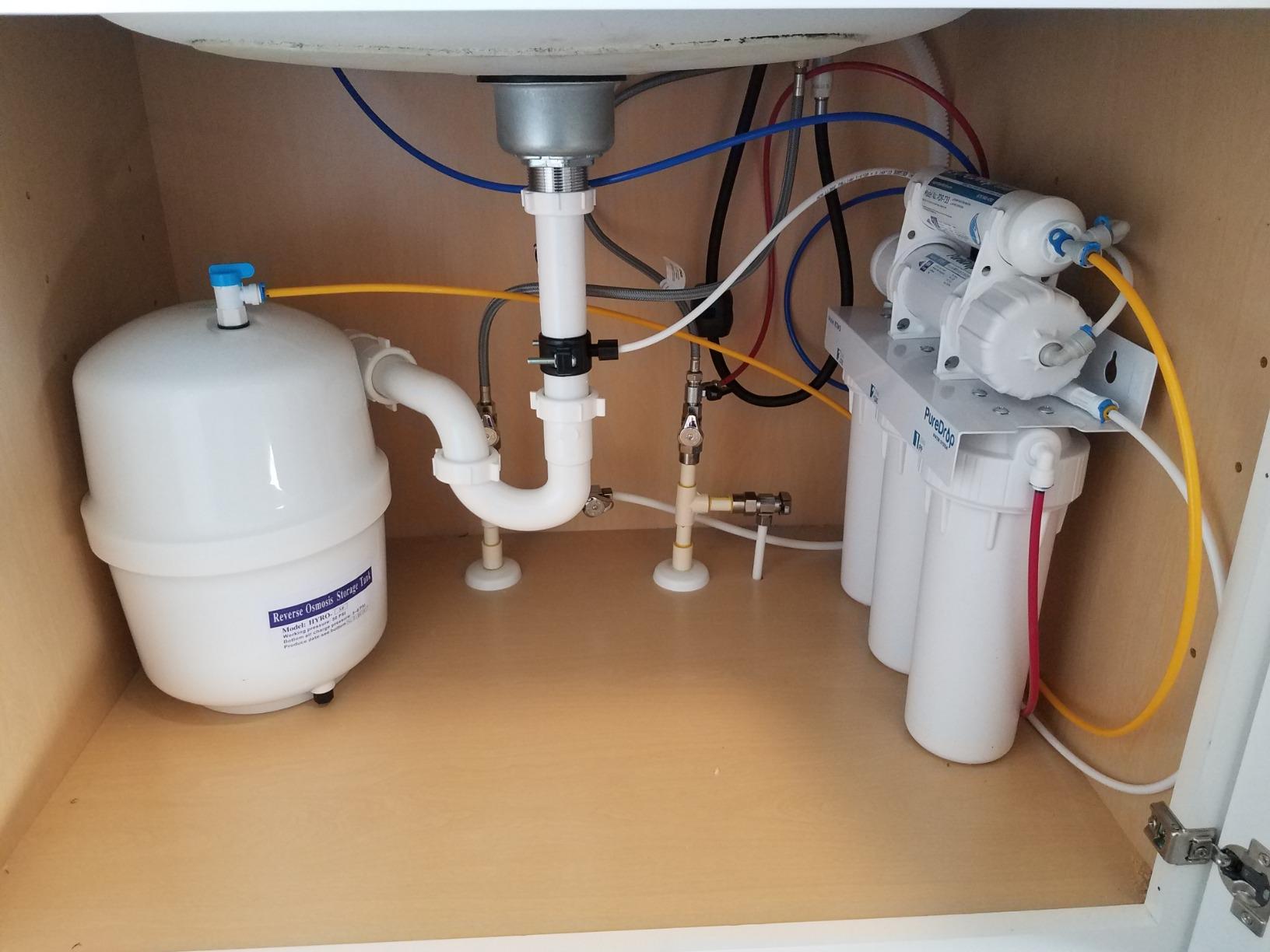
Okay, let’s be real. Reverse osmosis does waste a little water in the process. For every gallon of pure water, it might send a couple of gallons down the drain. I know, it sounds bad, but modern systems are way more efficient than the old ones.
Also, it removes some minerals like calcium and magnesium. People will tell you that’s bad. But honestly? I get those from eating food, not from my tap water. If I need more calcium, I’ll eat a cheese stick, not drink from a rock.
And the filter cartridges need changing every six to twelve months. It’s a $50 to $100 chore, but it takes five minutes. It’s way less annoying than rolling your eyes every time you taste pool water coming out of your kitchen faucet.
The Verdict: You’ll Never Go Back
Once you have a reverse osmosis under-sink filter, you become that person. You know, that person who sniffs tap water at a friend’s house and politely asks for a bottled one. You’ll judge the water at restaurants. You’ll become a water snob, and you’ll love every second of it.
It’s one of those small investments that quietly improves your life about ten times a day. Every glass of water, every cup of coffee, every batch of soup is suddenly better. You don’t have to think about it—it’s just there, working.
So if you’re tired of playing “Is it safe to drink this?” every time you turn on the tap, give this ninja a home. Your taste buds will thank you, your coffee will stop crying, and you might finally impress that ficus tree. Cheers to clean water and not tasting yesterday’s regrets.

