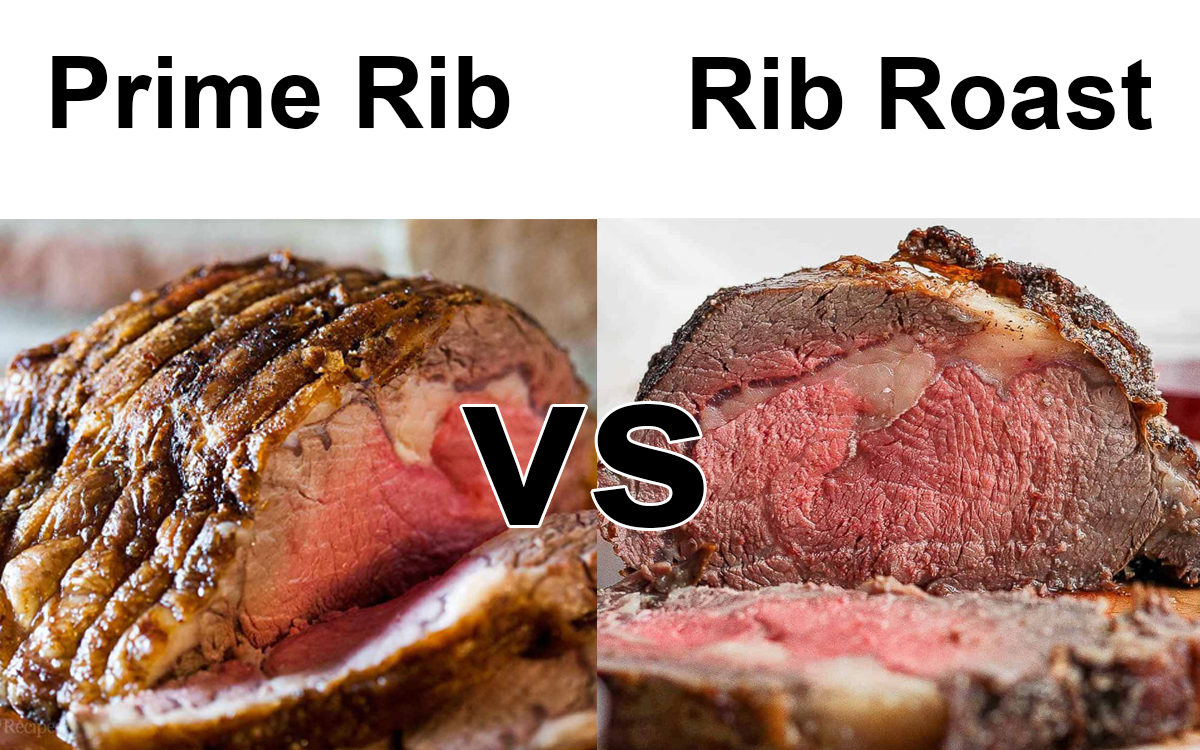
A Prime rib roast is the aristocrat of beef. It’s graded by the USDA as having abundant marbling—those tiny veins of white fat that melt into the meat as it cooks. That fat is flavor. It’s also juice. When you slice into a perfectly roasted Prime rib, the meat practically glistens, and each bite feels like a buttery, beefy cloud.
The catch? It’s rare. Literally less than 3% of all beef gets the Prime grade, so demand is high and supply is low. Your butcher will charge you a premium, often $20 to $30 per pound (yes, per pound, I know). For a 4-to-6-pound roast feeding a crowd, you’re looking at a grocery bill that could pay for a night out. Worth it? If you’re idolizing a once-a-year feast, yes. If you’re just hosting a Tuesday potluck, maybe not.
The Choice Rib: The Underdog That Wins Meals
Now, meet the Choice rib roast. It’s graded as having moderate marbling—still good, but not the heavy, decadent fat cap of Prime. Think of it as the reliable, handsome cousin who shows up on time and brings a good bottle of wine. It’s not a showstopper, but it’s incredibly solid.
Here’s the secret: a Choice rib roast can look and taste shockingly close to Prime if you cook it right. Because it has less internal fat, you need to treat it with a little extra love—like a good dry brine overnight, or a low-and-slow roast with a butter baste. But the price difference? A Choice roast often runs $12 to $18 per pound, saving you a solid 30-40%.
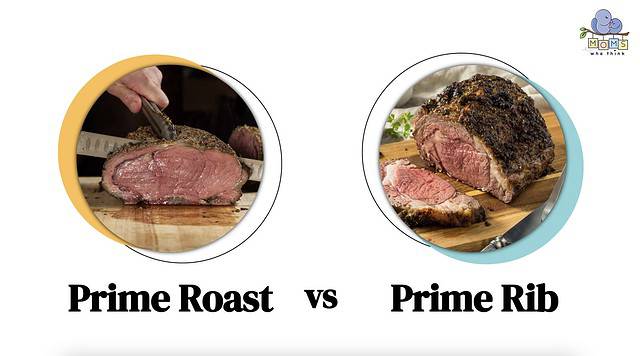 Prime Roast vs. Prime Rib: Differences Between Rib Roast & Prime Rib

