The perfect potato store is cool, dark, and well-ventilated—think a pantry, a basement, or a dedicated root cellar. Aim for a temperature between 45°F and 50°F (7°C to 10°C). This is the “Goldilocks zone” where your spuds stay firm and flavorful for weeks.
A paper bag or a mesh sack is your best friend here. These materials allow airflow while blocking light, which prevents greening. Light exposure triggers solanine production, turning your spuds green and bitter—and mildly toxic if you eat too many.
Don’t store potatoes next to onions. It’s a classic kitchen mistake. Onions release ethylene gas that speeds up sprouting, while potatoes release moisture that makes onions rot faster. They are feuding neighbors in the crisper drawer.
When the Fridge Makes Sense
There is one scenario where the fridge wins: summer heat. If your kitchen hits 70°F (21°C) or higher, your potatoes will sprout in days. In that case, the fridge is the lesser evil—just use them within two weeks to avoid the sugary, dark-fried effect.
Another clever trick is to store cut potatoes in the fridge—but only submerged in cold water. This keeps them from oxidizing and turning brown. Change the water daily, and they’ll stay crisp for up to 24 hours, perfect for last-minute fries.
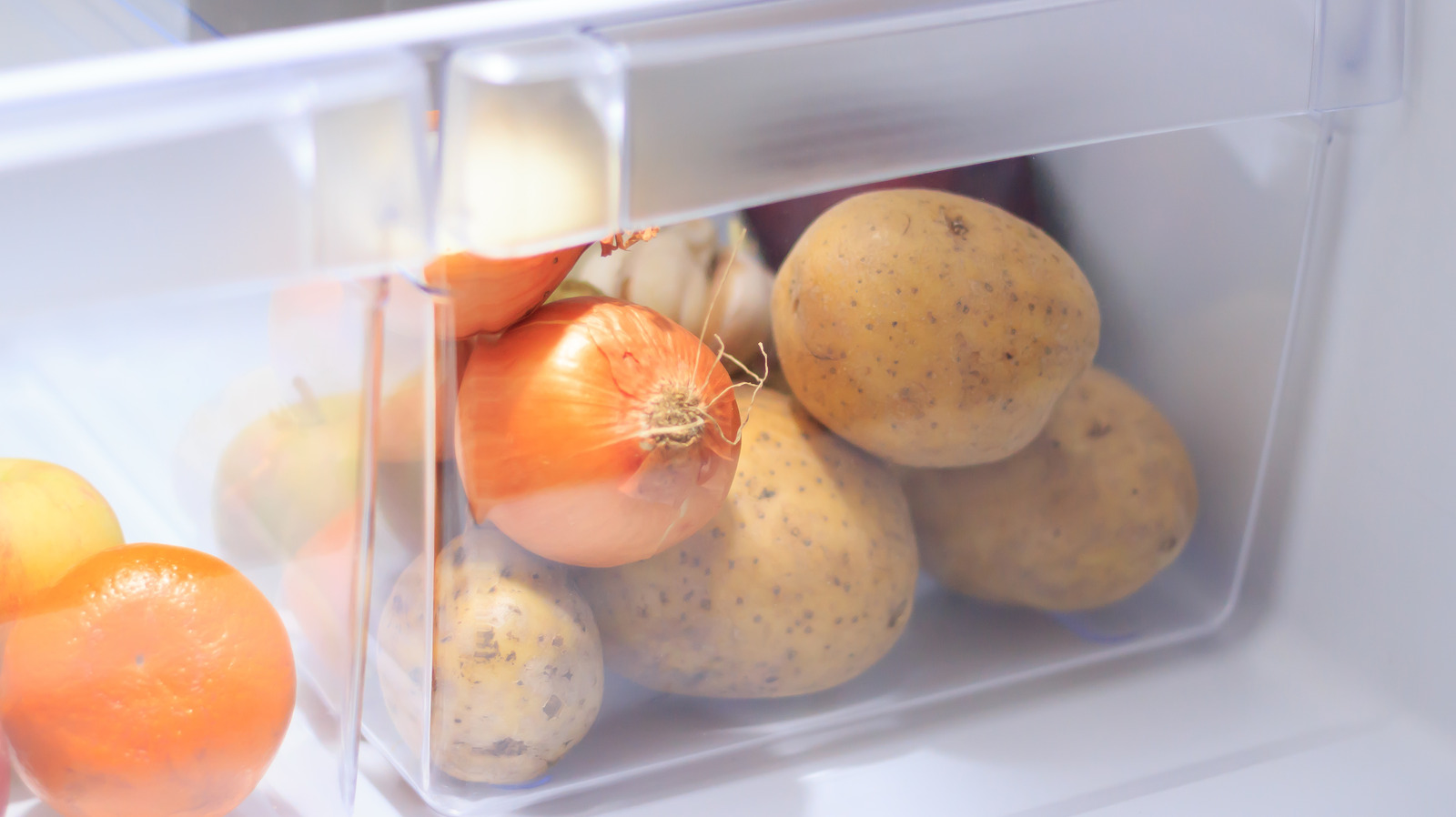 What Happens If You Refrigerate Raw Potatoes?
Fun fact: The cold shock from the fridge actually boosts acrylamide formation during high-heat cooking. That’s the compound linked to cancer in lab studies. So if you’re making crispy roasties, you might want to skip the fridge altogether.