
Let’s get practical for a second, because you’ve probably got that question burning in your brain: “But what do these really mean next to a GCSE grade?” Relax, it’s simpler than assembling flat-pack furniture. At Level 2 (which is the same as GCSEs), a Pass is roughly equivalent to a GCSE grade 4 (which used to be a C). Think of it like ordering a standard coffee—it’s good, it’s reliable, it gets the job done.
A Merit nudges you up to around a GCSE grade 5 or 6 (a high C or a low B). That’s like adding a shot of espresso to your coffee—a bit more kick, a bit more substance. And a Distinction? That sits at around a GCSE grade 7, 8, or even a 9 (the old A or A*). That’s your fancy oat-milk, two-shot, caramel-infused latte with a foam heart on top—impressive, and people notice.
Why This System is Actually Kind of Cool
Here’s the chill part—this system loves practical learning. If you’re the kind of person who zones out during lectures but lights up when you get to build, design, or do something with your hands, Pass, Merit, Distinction is your jam. It’s not just about memorising facts for an exam; it’s about showing you can do stuff. Ever built a website, planned a business, or cooked a killer meal for a project? That’s exactly the vibe.
You don’t get one final do-or-die exam date. Instead, you collect credits and assignments over time—like earning XP (experience points) in a role-playing game. Each piece of work bumps up your score, and by the end, your final grade is a total reflection of your journey. How cool is that? It takes the stress out of that one scary morning in June.
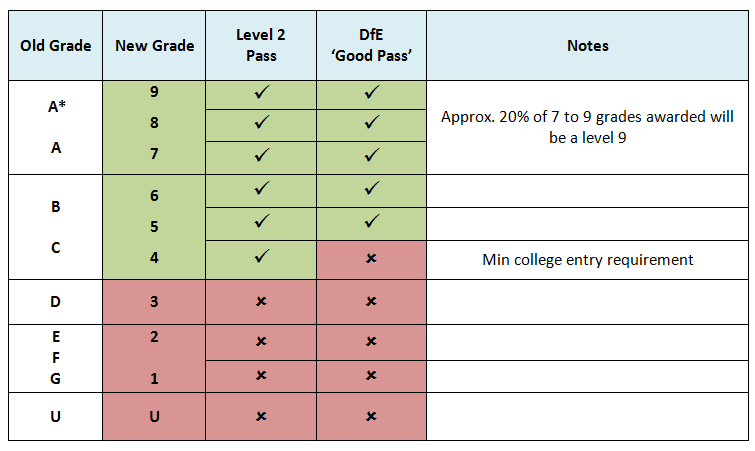 Gcse Grades
But wait, there’s more. Colleges and employers have wised up to this system. A Distinction in a BTEC in Engineering? That screams “I can actually fix a circuit, not just draw one on paper.” A Merit in a Health and Social Care diploma? That says “I understand that real people have real problems, and I’m here for it.” It’s a vibe that shows you’re both smart and useful.

