
When it came out, it was pale, puffy, and firm to the touch. Not a single spot of brown. I froze it, right there on the counter. Forty minutes later, my friends arrived, and I pulled that pre-baked disc of potential out of the freezer.
I topped it with sauce, mozzarella, and pepperoni like a normal person. Then, back into the oven for another eight minutes. The result? A crust that was crispy on the outside, chewy on the inside, and completely, unforgivably perfect. My friends thought I was a god.
I chuckled to myself, knowing the secret was basically advance betrayal of the dough’s natural timeline. That night, par-cooking became my new best friend. It’s the pizza equivalent of a cheat meal you don’t feel guilty about.
What Even Is Par-Cooking? (And Why You Should Try It)
Simply put, par-cooking is partially baking your pizza dough. You don’t let it take on any color—just enough heat to set the structure. You’re essentially locking in the shape.
Think of it as giving your dough a "power nap" in the oven. It wakes up firm, ready to handle the final bake without turning into a soggy mess. This is a game-changer for people who hate soggy-bottomed pizza.
You know that tragic moment when the cheese slides off because the middle is still raw? Par-cooking eliminates that. It creates a fortress of a foundation. And here’s the kicker: you can do it days in advance.
 Personal-size pizza dough recipe for one (8-inch pizza)
The "I-Can't-Believe-It's-This-Easy" Method
Start with your favorite dough recipe, and let it rise like normal. Yes, you have to put in some effort. Shape it into your desired form—round, rectangular, or that weird blob that looks like a map of Australia.
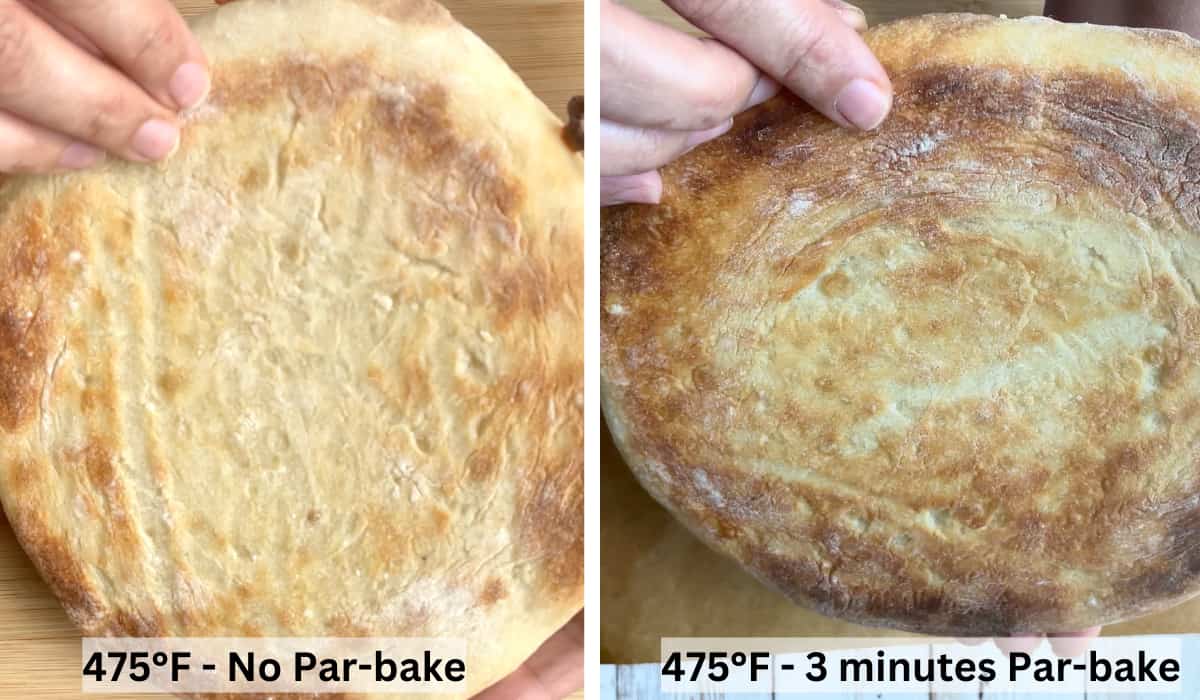
Place it on a lightly oiled baking sheet or a preheated pizza steel. Dock the dough all over with a fork to stop it from bubble-ing up like a science experiment. Bake it at 475°F (245°C) for exactly four to five minutes.
It should look pale and dry, like a ghost of a pizza crust. Let it cool completely at room temperature. This is non-negotiable. If you wrap it hot, you’ll get steam, and steam equals sad, rubbery dough.
Now the fun part: you can freeze it. Wrap each disc in plastic wrap, then stash them in a freezer bag. They’ll live there happily for up to three months. Seriously. It’s like having a secret pizza army on standby.
When Should You Actually Use This Sorcery?
First, party prep. You want to be a host, not a line cook. Par-cook your bases two days before, and on the big night, just top and bake. You’ll be sipping wine while everyone else is elbow-deep in flour.
Second, kids. Let them build their own pizzas on a par-cooked crust. No more crying because their slice fell apart. The crust is a tank. It can handle even the heaviest sprinkle of pineapple (don't @ me).
 Par-Baking Pizza Dough: How Long? | ShunGrill
Third, blazing hot ovens. If you have a wood-fired oven or a pizza steel that hits 700°F, par-cooking is your safety net. It ensures the bottom cooks fast without burning the toppings. Pure control.
A Few "Don'ts" So You Don't Screw It Up
Don't let the dough brown during par-cooking. If you see color, you’re going too far. You’re building a structure, not a finished product. Pale is perfect.
Don't use a super-wet dough for this. Sticky, high-hydration doughs (like Neapolitan style) don’t par-cook well. They tend to collapse. Stick to a standard 60-65% hydration recipe. Trust me on this one.
Don't ever freeze the dough raw after shaping. That gives you a sad, lifeless brick. You must par-cook it first. The heat sets the gluten so the cold doesn't destroy it. Science is weird and wonderful.

