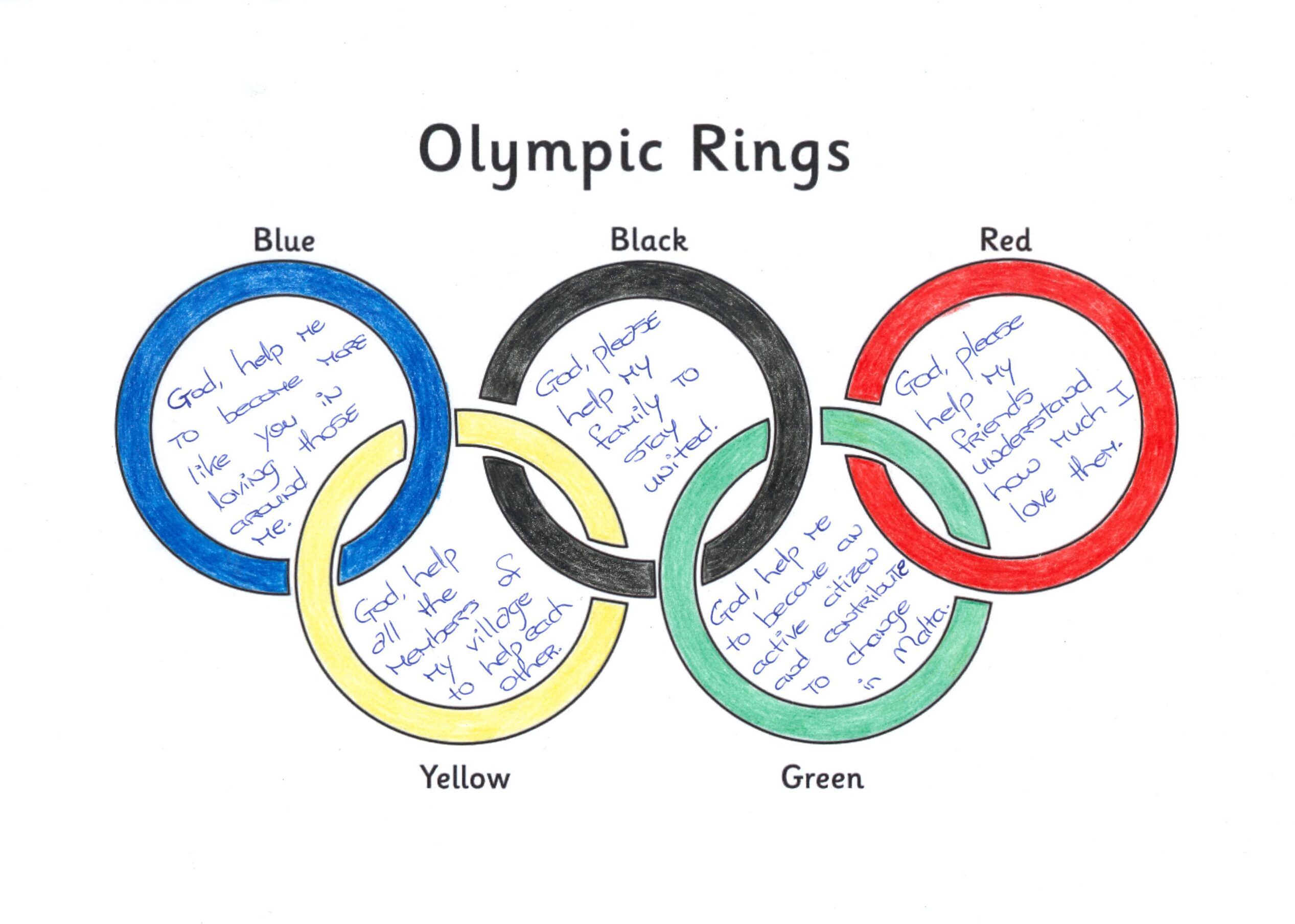
The rings were designed in 1913 by Pierre de Coubertin, the founder of the modern Olympic Games. The guy was basically a branding genius before “branding” was even a word. He wanted a symbol that screamed “global” without actually screaming anything at all—no words, no flags, just shapes and colors.
De Coubertin once said the rings represent the five continents (the Americas count as one here, sorry North and South). And the colors? They weren’t chosen for any deep cultural symbolism—they were chosen because every single national flag in the world at the time included at least one of those six colors: blue, yellow, black, green, red, and the white background. Boring? Maybe. Brilliant? Absolutely.
So when your friend insists the green ring stands for “nature” or the red ring means “fire,” they’re just making stuff up. Which is fine—but the real story is way more practical. It’s like realizing the secret sauce at your favorite burger joint is just ketchup and mayo mixed together. Disappointing? A little. But also kind of genius.
Let’s Debunk the Myth (Gently)
You’ve probably heard the “each ring represents a continent” theory, and it’s half true. Yes, the five rings symbolize Africa, the Americas, Asia, Europe, and Oceania. But the color-to-continent mapping? That’s a myth cooked up by well-meaning teachers and clickbait websites. De Coubertin never assigned a specific color to a specific continent.
 Olympic Rings Colours Meaning
In fact, the original Olympic Charter (1914) says the rings symbolize “the union of the five continents and the meeting of athletes from throughout the world.” That’s it. No color codes, no secret messages. The colors are just a clever way to include every national flag without favoring any single one. Bet you didn’t see that coming, huh?