
This is where most people mess up. You can’t just slap a thermometer anywhere and call it a day. A mouth temp (oral) is usually about 0.5°F to 1°F lower than a rectal temp (the gold standard, but not the most fun). An armpit (axillary) reading? Even lower, and often less reliable.
Ear and forehead thermometers are quick and easy, but they can be finicky. If you’re sweating or the room is drafty, they might give you a weird number. Trust your gut—and maybe check twice with a different method.
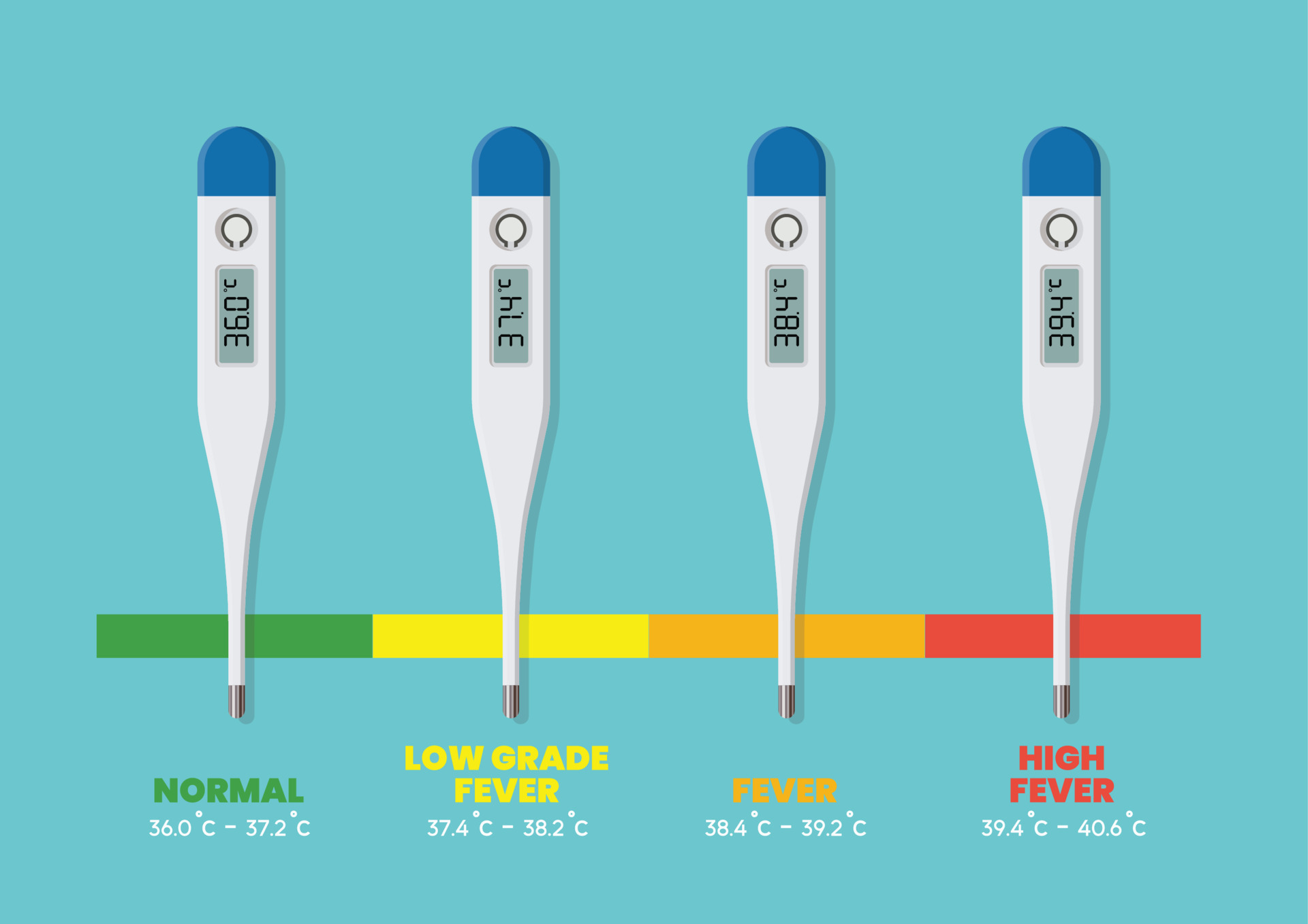 Normal Body Temperature Diagram
The bottom line? If your thermometer says 99.2°F, don’t panic. Really. That’s still in the normal range for many people, especially if you just ate a hot meal or had a steamy shower.
When Should You Actually Worry?
Okay, let’s get serious for two sentences. A fever (usually defined as 100.4°F or 38°C) is your body’s way of fighting off an invader, and it’s usually fine unless it’s super high or lasts days. But a single reading above 100.4°F? That’s when you call your doctor.
Conversely, a temp below 95°F (35°C) is hypothermia territory. That’s serious, so get warm and get help. But for the everyday 97.8°F or 98.9°F? You’re probably just being your wonderfully unique self.

